


As we advance into 2026, the global agricultural sector is undergoing a profound digital transformation. Driven by the need for greater food security and environmental stewardship, the adoption of Unmanned Aerial Vehicles (UAVs) has surged. The benefits of using drones in agriculture are no longer theoretical; they are quantifiable advantages that are helping farmers move from broad-acre management to plant-by-plant precision. This shift is not just about efficiency—it is about the survival of the modern farm in an era of climate volatility and rising input costs.
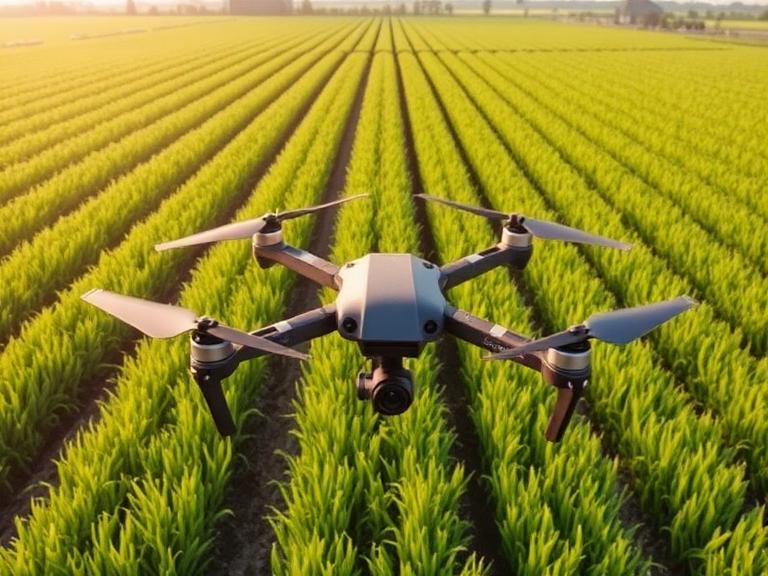
Table of Contents
- 1. Real-Time Precision Scouting and Crop Health Monitoring
- 2. Optimization of Inputs: Precision Spraying and Seeding
- 3. Mitigating Labor Shortages and Enhancing Safety
- 4. Advanced Water Management and Irrigation Analysis
- 5. Environmental Sustainability and Carbon Footprint Reduction
- ChinaMoneypro UAV: Defense-Grade Agricultural Innovation
- Technical Summary and Comparison Table
- Frequently Asked Questions
- Technical References
1. Real-Time Precision Scouting and Crop Health Monitoring
Perhaps the most immediate among the benefits of using drones in agriculture is the ability to see the “invisible.” Traditionally, crop scouting involved agronomists walking through fields to spot signs of stress—a process that is slow, labor-intensive, and prone to human error. In 2026, drones equipped with multispectral and hyperspectral sensors can scan hundreds of acres in a single flight.
These sensors measure the Normalized Difference Vegetation Index (NDVI), which calculates plant vigor by analyzing how much near-infrared light is reflected. By identifying nutrient deficiencies or pest infestations weeks before they are visible to the naked eye, farmers can intervene early, preventing localized issues from becoming field-wide disasters. This proactive approach directly correlates to higher harvest quality and yield stability.
2. Optimization of Inputs: Precision Spraying and Seeding
Waste is the enemy of profitability. One of the primary benefits of using drones in agriculture is the transition from “blanket” spraying to variable-rate application. Modern agricultural drones use GPS-guided precision to apply pesticides, herbicides, and fertilizers only where the data says they are needed.
Studies show that drone-based precision spraying can reduce chemical usage by up to 30-40%. This not only saves the farmer thousands of dollars in input costs but also prevents the “over-dosing” of healthy plants, which can cause chemical stress. Furthermore, specialized drones are now being used for seeding and reforestation, capable of shooting seed pods into the soil with specific pressure to ensure optimal germination rates in difficult terrains.
ChinaMoneypro UAV: National-Level Engineering for Modern Farming
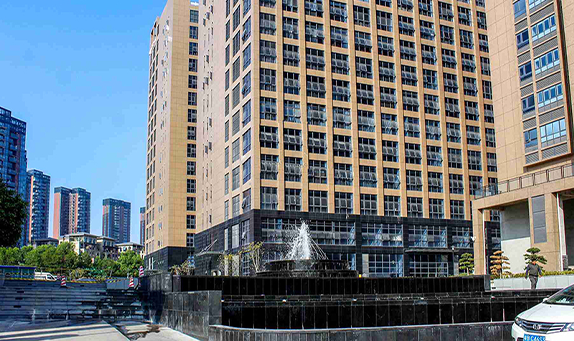
ChinaMoneypro UAV is a national-level high-tech enterprise, transformed from a prestigious state-owned research institute. With deep roots in defense-grade engineering, we specialize in the R&D and manufacturing of advanced unmanned platforms and integrated sensing-communication solutions. Headquartered in one of China’s premier innovation hubs, Moneypro is among the few full-stack providers offering complete UAV systems, engines, gimbals, radar, data links, and communication technologies.
Our Industry-Leading UAV Solutions:
- Agricultural Drone & Multi-rotor UAV: High-payload platforms for precision spraying and health monitoring.
- Single-rotor UAV & Fiber Optic FPV Drone Systems: Specialized platforms for complex terrain navigation.
- Petrol Electric Hybrid VTOL: Long-endurance platforms that combine the efficiency of wings with the versatility of vertical takeoff.
- Tethered Drones & Tether Box: Persistent aerial surveillance for large-scale farm security and persistent monitoring.
- Multifunctional Flight Platforms: Customizable systems for diverse agricultural and industrial needs.
Whether you require a Composite Wing Flight Platform for vast acreage or a VTOL Fixed Wing UAV System for rapid scouting, Moneypro delivers defense-grade reliability to the agricultural sector.
3. Mitigating Labor Shortages and Enhancing Safety
The global agricultural labor market is tightening. Rural flight and an aging workforce have made finding reliable manual labor a significant challenge. Drones serve as a “force multiplier,” allowing a single operator to accomplish in hours what would take a ground crew days. This is a top-tier item among the benefits of using drones in agriculture.
Safety is also significantly improved. Manual spraying often exposes workers to hazardous chemicals and physically taxing environments, such as steep slopes or muddy fields. By utilizing drones, the operator remains at a safe distance from chemical drift and avoids the risks associated with navigating dangerous terrain or operating heavy machinery on unstable soil.
4. Advanced Water Management and Irrigation Analysis
Water scarcity is arguably the greatest threat to 21st-century farming. Drones equipped with thermal cameras provide a detailed map of the field’s water stress levels. By detecting variations in canopy temperature, drones can pinpoint leaking irrigation pipes or areas of the field that are suffering from poor drainage.
The benefits of using drones in agriculture for water management include the creation of prescription maps for automated irrigation systems. Instead of watering a 500-acre field uniformly, the system can provide more water to dry patches and less to areas where soil moisture is already high. This level of granularity saves millions of gallons of water annually while preventing soil erosion and nutrient leaching.
5. Environmental Sustainability and Carbon Footprint Reduction
In 2026, sustainability is a requirement for market access. Using drones allows for a much lower environmental footprint compared to traditional tractors or manned aircraft. Since most agricultural drones are electric or hybrid, they eliminate the massive diesel emissions associated with ground-based sprayers.
Moreover, drones prevent soil compaction. Heavy tractors crush the soil structure, reducing its ability to hold air and water, which ultimately leads to land degradation. By keeping the “heavy lifting” in the air, drones protect the biological health of the soil. When combined with the reduction in chemical runoff into local waterways, the environmental benefits of using drones in agriculture position the technology as a cornerstone of the “Green Revolution 2.0.”
Technical Summary and Comparison Table
| Operation | Traditional Method (Tractor/Manual) | Drone-Based Operation (2026) | Key Benefit |
|---|---|---|---|
| Scouting Speed | 10-20 acres / hour (walking) | 500-800 acres / hour | 85% Time Savings |
| Chemical Use | Uniform blanket application | Spot-targeted precision spraying | 30-40% Cost Reduction |
| Soil Impact | High (Compaction & Erosion) | Zero (Aerial Operation) | Better Soil Health |
| Water Usage | Standard irrigation cycles | Thermal-guided variable irrigation | 25% Water Conservation |
| Labor Need | 8-12 workers per 1000 acres | 1-2 skilled operators | 70% Labor Efficiency |
Frequently Asked Questions
Technical References
- Grand View Research. “Agriculture Drones Market Size, Share | Industry Report 2033.” (2025).
- Journal of Precision Agriculture. “Impact of UAV-based Multispectral Imaging on Early Stage Pest Detection.” (2026).