


In the rapidly evolving landscape of unmanned aerial systems, selecting the right platform is no longer just about flight time; it is about operational flexibility. For decades, traditional fixed-wing drones dominated long-range missions due to their aerodynamic efficiency. However, they carried a significant logistical burden: the need for runways, catapults, or recovery nets. From our extensive experience in defense-grade engineering, the main advantage of VTOL UAV compared to fixed-wing UAV lies in its ability to eliminate this infrastructure dependency while retaining cruise efficiency.
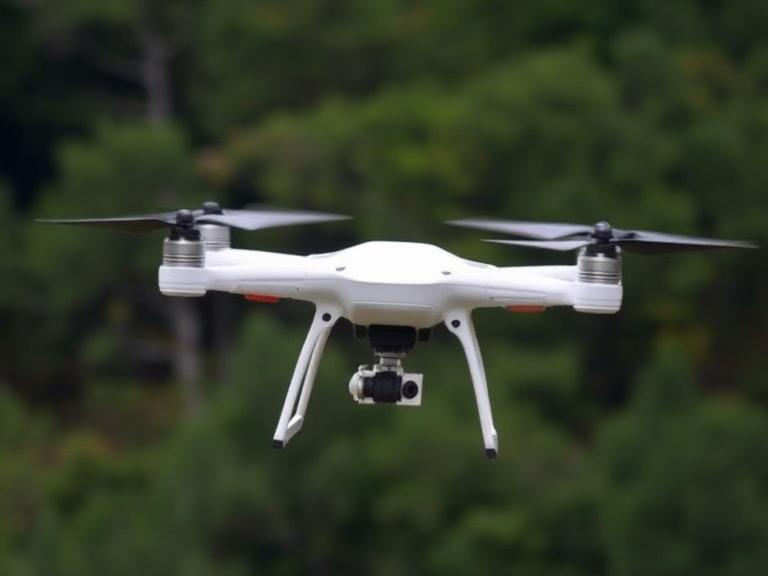
The industry is witnessing a paradigm shift toward hybrid systems. Pure multi-rotors lack range, and pure fixed-wings lack agility. The solution is the Vertical Take-Off and Landing (VTOL) fixed-wing hybrid. This article analyzes why this architecture is superior for modern industrial and military applications.
1. Operational Flexibility: Eliminating the Runway
The single most critical limitation of a traditional fixed-wing drone is launch and recovery. To operate a standard fixed-wing UAV, you typically need a cleared runway of at least 100 meters, a heavy pneumatic catapult, or a skilled pilot capable of hand-launching (which limits payload weight). Recovery is even riskier, often involving belly landings that damage sensors or parachute deployments that drift off-target.
In contrast, the main advantage of VTOL UAV compared to fixed-wing UAV is the capability to launch and recover vertically from a confined space. We recommend VTOL systems for missions in complex terrain—dense forests, urban canyons, or ship decks—where a runway is simply impossible to construct. This capability drastically reduces the logistical footprint of the mission. You do not need a ground crew to set up a launcher; you simply place the drone on a 5×5 meter patch of ground and press a button.
2. Enhanced Safety and Payload Protection
From our experience maintaining UAV fleets, the majority of airframe damage occurs during landing. Fixed-wing drones that rely on belly landings subject their optical gimbals and sensitive electronics to impact shocks and abrasive surfaces. Parachute recoveries are unpredictable in high winds.
VTOL UAVs mitigate this risk entirely. By transitioning to multi-rotor mode for the final descent, the aircraft lands softly and precisely. This protects high-value payloads, such as LiDAR sensors or Fiber Optic FPV Drone System components, ensuring longevity and reducing maintenance costs. For defense and industrial applications where equipment reliability is paramount, this soft-landing capability is non-negotiable.
3. The Hybrid Advantage: Cruise Efficiency Meets Hover Precision
Critics often argue that VTOL systems carry “dead weight” (the vertical lift motors) during forward flight. While technically true, the operational gains outweigh the aerodynamic penalty. Modern VTOL Fixed Wing UAV System designs utilize composite materials to offset this weight.
Once the aircraft reaches a safe altitude, it transitions to fixed-wing flight. The vertical motors shut down, and the rear pusher prop takes over, utilizing the lift generated by the wings. This allows the UAV to cover vast distances—often hundreds of kilometers—far exceeding the range of a standard multi-rotor. We have observed that for large-scale mapping or pipeline inspection, a Petrol Electric Hybrid VTOL offers the perfect balance: the endurance of a plane with the takeoff versatility of a helicopter.
4. Industry Solutions: ChinaMoneypro UAV Systems
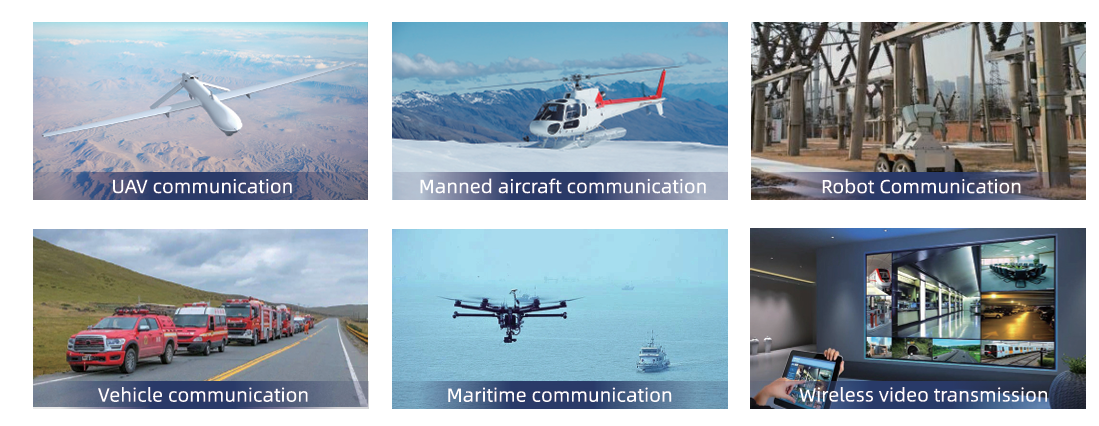
As a national-level high-tech enterprise transformed from a prestigious state-owned research institute, ChinaMoneypro UAV understands the nuances of these platforms. With deep roots in defense-grade engineering, we have developed solutions that specifically address the shortcomings of traditional platforms.
ChinaMoneypro Innovation
Our engineering philosophy centers on integrated sensing-communication solutions. We offer a full-stack portfolio, including:
- Petrol Electric Hybrid VTOL: Combining combustion engines for long endurance charging with electric propulsion for silent, vertical operations.
- Composite Wing Flight Platform: Utilizing advanced materials to maximize payload capacity while maintaining structural rigidity.
- Tethered Drones: For persistent surveillance missions where flight time must be indefinite.
By controlling the entire ecosystem—from engines and gimbals to data links—we ensure that our VTOL systems perform reliably in the harshest environments.
5. Summary Comparison Table
The following table outlines the key operational differences and why the main advantage of VTOL UAV compared to fixed-wing UAV is often the deciding factor for professional operators.
| Feature | Standard Fixed-Wing UAV | Multi-Rotor UAV | Hybrid VTOL UAV |
|---|---|---|---|
| Launch/Recovery | Runway / Catapult / Net | Vertical | Vertical (Anywhere) |
| Endurance | High (Efficient Lift) | Low (Battery Drain) | High (Wing Lift) |
| Payload Protection | Low (Hard Landings) | High | High (Soft Landing) |
| Hover Ability | None | Excellent | Limited (Transition Only) |
| Logistical Footprint | Large (Equipment Heavy) | Small | Small |
6. Frequently Asked Questions
Does a VTOL UAV have less range than a standard fixed-wing?
Slightly, yes. The added weight of the vertical motors and batteries creates drag and adds mass. However, for most applications, the elimination of launch equipment makes the VTOL Fixed Wing UAV System a more practical choice, and hybrid engines can compensate for the efficiency loss.
Can VTOL Fixed-Wing drones hover for long periods?
Generally, no. They are designed to hover only for takeoff and landing. Sustained hovering drains the battery rapidly. If your mission requires staring at a fixed point for hours, we recommend a Tethered Drone or a multi-rotor.
What is the benefit of a Petrol Electric Hybrid VTOL?
A hybrid system uses a gas engine to generate electricity or drive the pusher prop, significantly extending flight times compared to pure battery systems. This allows for missions exceeding 4-6 hours.
7. References
- International Journal of Aerospace Engineering, “Aerodynamic Efficiency of Hybrid VTOL Systems,” 2024.
- Defense Technical Information Center (DTIC), “Unmanned Systems Integrated Roadmap 2025.”