


The unmanned aerial vehicle industry is undergoing a structural paradigm shift. For decades, commercial and military operators have relied on traditional multirotor platforms with exposed propellers. However, as operational requirements push drones into dense urban canyons, confined industrial spaces, and stealth-oriented tactical environments, exposed blades have become a critical liability. Enter the Bladeless VTL aircraft.
From our experience engineering and deploying advanced unmanned systems at Moneypro UAV, the transition toward bladeless vertical takeoff and landing (VTL) platforms is not just an aesthetic trend; it is a vital operational upgrade. This technology fundamentally changes how organizations assess risk, payload capacity, and acoustic signatures. If you are making procurement decisions for enterprise or defense logistics, understanding the precise characteristics of a Bladeless VTL aircraft is absolutely essential to avoid costly misallocations of your drone budget.

Quick Answer: What Defines a Bladeless VTL Aircraft?
A Bladeless VTL aircraft is an advanced unmanned aerial vehicle that achieves vertical lift and directional thrust without utilizing exposed, external rotor blades. Instead of traditional propellers, these platforms utilize enclosed fluidic propulsion systems, ducted impellers, and aerodynamic principles such as the Coanda effect to generate lift. This architecture drastically increases operational safety in confined spaces, significantly reduces the aircraft’s acoustic and radar signatures, and provides unparalleled stability in adverse weather conditions.
| Criteria | Bladeless VTL Aircraft Details |
|---|---|
| Primary Mechanism | Internal ducted fans, fluidic thrust, Coanda effect surfaces |
| Safety Profile | Extremely high; safe for close-proximity human interaction and indoor flight |
| Acoustic Signature | Low-frequency hum, highly muffled compared to standard high-pitch rotors |
| Primary Use Cases | Urban logistics, military stealth, confined-space industrial inspection |
| Power Consumption | Generally higher than traditional rotors due to ducted airflow inefficiencies |
What is a Bladeless VTL Aircraft?
To be completely precise, a Bladeless VTL aircraft is not actually devoid of moving parts, despite the marketing terminology used by some novice manufacturers. In most professional situations, “bladeless” means the absence of exposed external blades. The aircraft relies on internal rotors, ducted fans, or fluidic air multiplier technology hidden deep within the fuselage. This design allows the aircraft to lift off vertically (VTL) without the sweeping hazard of spinning carbon-fiber propellers slicing through the open air.
By enclosing the thrust generation mechanism, the entire physical profile of the drone changes. These aircraft typically feature smooth, monolithic airframes, resembling streamlined cylinders, saucers, or aerodynamic cubes. They are engineered specifically to solve the physical vulnerabilities inherent in traditional multirotor designs, making them highly desirable for complex operational theaters.
How Bladeless VTL Technology Actually Works
In our testing and manufacturing experience, bladeless propulsion generally relies on one of two engineering principles. The first is ducted impeller systems. A high-speed internal fan draws air through top-mounted intakes and forces it down through internal channels. The air is expelled through vectoring nozzles at the bottom of the craft to create lift.
The second, more advanced method relies on fluid dynamics, specifically the Coanda effect. In this system, air is pushed over a curved aerodynamic surface, creating a low-pressure zone that entrains surrounding ambient air, effectively amplifying the thrust without requiring massive internal blades. Directional control is achieved by modulating the airflow through specific exhaust vents using micro-baffles. This completely eliminates the need to physically tilt the aircraft to move forward, providing a perfectly level flight platform for sensitive eo ir gimbal payload sensors during high-stakes surveillance operations.
The 8 Core Characteristics of Bladeless VTL Aircraft
When analyzing a Bladeless VTL aircraft for enterprise or defense procurement, you must look beyond the marketing gloss. Here are the 8 defining characteristics that separate true industrial bladeless systems from consumer-grade toys.
1. Zero Exposed Blade Architecture
The most obvious characteristic is safety. Traditional drones rely on blades spinning at thousands of RPMs, posing a severe laceration hazard to personnel and a critical risk of property damage. A Bladeless VTL aircraft completely internalizes these moving parts. For commercial users operating in dense urban environments or indoor warehouse facilities, this eliminates the need for bulky, inefficient propeller guards. If the drone bumps into a wall, a bridge pillar, or a human worker, it bounces off safely without shattering blades or causing injuries.
2. Significant Acoustic Signature Reduction
Traditional exposed propellers slice through the air, creating high-frequency, piercing noise that is easily detectable. A Bladeless VTL aircraft heavily muffles this sound. The internal ducting absorbs high-frequency sound waves, emitting a low-frequency hum that dissipates rapidly over distance. This acoustic stealth is why we see high adoption rates among tactical defense teams utilizing night vision military drones, where remaining undetected during low-altitude surveillance operations is a matter of life and death.
3. High-Velocity Vectoring Control
Standard drones maneuver by altering the speed of specific propellers, causing the drone to tilt and slide through the air. A Bladeless VTL aircraft utilizes advanced thrust vectoring. By electronically adjusting internal baffles and exhaust nozzles, the aircraft can change direction rapidly without drastically tilting its fuselage. This level flight attitude is absolutely critical for maintaining continuous line-of-sight with high-magnification thermal camera payload systems, preventing camera gimbal lock during aggressive maneuvers.
4. Superior Confined-Space Navigational Agility
Because there are no protruding blades, the aircraft’s physical footprint is exactly equal to its navigational footprint. A 15-inch bladeless drone can confidently navigate a 16-inch industrial pipe or a narrow underground mining shaft. In contrast, standard drones experience localized air turbulence (ground effect and wall effect) that destabilizes exposed blades in tight spaces. The directed downward thrust of a Bladeless VTL aircraft mitigates wall-effect turbulence, allowing for rock-solid hovering in incredibly tight quarters.
5. Enhanced Weather and Environmental Resilience
For heavy-duty applications, a Bladeless VTL aircraft excels in adverse weather. Rain, snow, and debris are easily ingested and expelled by internal ducted systems without unbalancing the thrust dynamics. Furthermore, traditional drones suffer heavily from propeller icing in high altitudes or freezing rain, which rapidly degrades lift. Because the thrust mechanisms in bladeless drones are housed inside a heat-generating fuselage, they are vastly more resistant to icing, making them a staple in high-altitude vtol cargo drone fleets.
6. Disproportionate Energy Consumption Profiles
We cannot discuss the benefits without addressing the physical reality of the technology. Bladeless VTL aircraft require significantly more energy to generate the same amount of lift as an exposed propeller. Forcing air through internal ducts creates friction and aerodynamic drag inside the drone itself. Therefore, a characteristic of these systems is a heavier reliance on high-density lithium-solid-state batteries or tethered power systems. They trade raw flight endurance for safety and stealth.
7. Advanced Thermal Dissipation Requirements
Enclosing high-RPM motors and impellers inside a sealed airframe generates massive amounts of internal heat. A hallmark characteristic of a premium Bladeless VTL aircraft is its complex internal thermodynamic management. The aircraft uses the incoming air not just for lift, but to actively cool the onboard avionics and drone communication systems. If a bladeless drone lacks adequate thermal engineering, it will inevitably suffer from in-flight sensor degradation or motor failure.
8. Minimized Radar Cross-Section (RCS)
In military and tactical applications, spinning carbon fiber or plastic blades create a highly recognizable doppler signature on modern anti-drone radar systems. By eliminating external moving parts and utilizing sleek, radar-absorbent monolithic airframes, a Bladeless VTL aircraft significantly reduces its Radar Cross-Section. When assessing the global military drone comparison landscape, tactical stealth driven by bladeless architecture is rapidly becoming a standard requirement for frontline deployment.
Comparison: Bladeless VTL vs. Traditional Multirotors
To help you make a concrete procurement decision, we have mapped out the operational differences between Bladeless VTL aircraft and standard multirotors in the table below. From our experience, picking the right platform comes down to your primary operational bottleneck: is it flight time, or is it safety and stealth?
| Feature | Bladeless VTL Aircraft | Traditional Multirotor (Exposed Blades) |
|---|---|---|
| Flight Endurance | Lower (20 – 40 minutes average) | Higher (40 – 60+ minutes average) |
| Urban Safety | Unparalleled; zero risk of blade strikes | Poor; requires bulky guards, high laceration risk |
| Acoustic Profile | Low-frequency, easily masked hum | High-pitch, distinct “swarm” noise |
| Wind Resistance | Excellent; internal thrust is protected | Moderate to High; blades can catch severe gusts |
| Payload Capacity | Moderate; requires high RPM for heavy lift | High; large props easily accommodate heavy payloads |
Benefits and Limitations (Pros vs. Cons)
We recommend approaching bladeless technology with eyes wide open. Do not let futuristic aesthetics blind you to operational limitations. Here is a commercial breakdown of the pros and cons.
| Pros of Bladeless VTL Aircraft | Cons of Bladeless VTL Aircraft |
|---|---|
| Complete safety for indoor and close-proximity human flight | Significantly reduced battery life due to thrust inefficiencies |
| Ultra-low acoustic signature for stealth operations | Higher upfront procurement and manufacturing costs |
| Immunity to blade icing in freezing weather conditions | Complex internal maintenance requires specialized technicians |
| Compact footprint allows navigation through narrow ducts and pipes | Lower overall maximum payload weight compared to open-prop drones |
| Level-flight vectoring provides superior camera stability | Heavier airframe due to internal ducting materials |
Who Should Use It (And Who Should Not)
Best Use Cases (Who Needs It)
Tactical Military & Law Enforcement: If you are deploying military drones for hostage situations, urban reconnaissance, or covert surveillance, bladeless technology is non-negotiable. The acoustic discretion alone justifies the investment.
Industrial Inspection Teams: For commercial users inspecting active boiler rooms, underground sewer networks, or dense offshore oil rigs, bladeless drones eliminate the risk of sparking from a blade strike or damaging sensitive client equipment.
Who Does Not Need It
Long-Haul Logistics & Agriculture: If your mission involves mapping a 5,000-acre farm or delivering heavy freight over long distances, do not buy a bladeless multirotor. You need aerodynamic efficiency. We highly suggest looking into cargo drone solutions with fixed-wing architectures instead, as they provide the necessary lift-to-drag ratios for long-endurance flights.
Common Procurement Mistakes
In our capacity consulting for global enterprise clients, we frequently see procurement officers make critical errors when transitioning to Bladeless VTL aircraft.
Another common mistake is failing to upgrade data links. Because bladeless drones often fly indoors or in complex urban environments, standard line-of-sight radios fail instantly. You must ensure your bladeless VTL aircraft is equipped with resilient mesh radio systems or a robust wireless transmission module to maintain connectivity through concrete walls and steel structures.
Expert Buying Considerations & Recommendations
When selecting a Bladeless VTL aircraft, you must heavily scrutinize the manufacturer. Look beyond the promotional videos. Demand raw data on continuous hover times under full payload load. Ask how the manufacturer handles thermal dissipation during 40-degree Celsius summer operations.
We recommend looking closely at the top-tier best uav manufacturers who have a proven track record in both aerodynamics and internal thermodynamics. If you are sourcing globally, evaluating the uav manufacturers in china can provide access to rapidly iterating supply chains, but ensure they utilize aviation-grade carbon composites, not consumer-grade plastics.
Our Expert Verdict: If you are flying within 10 feet of humans, sensitive industrial infrastructure, or hostile targets, a Bladeless VTL aircraft is worth the premium price tag. The reduction in liability and operational risk vastly outweighs the loss of 15 minutes of flight time. However, ensure you partner with reputable uav solution companies who can integrate the platform with your existing command and control software.
Moneypro UAV Solutions
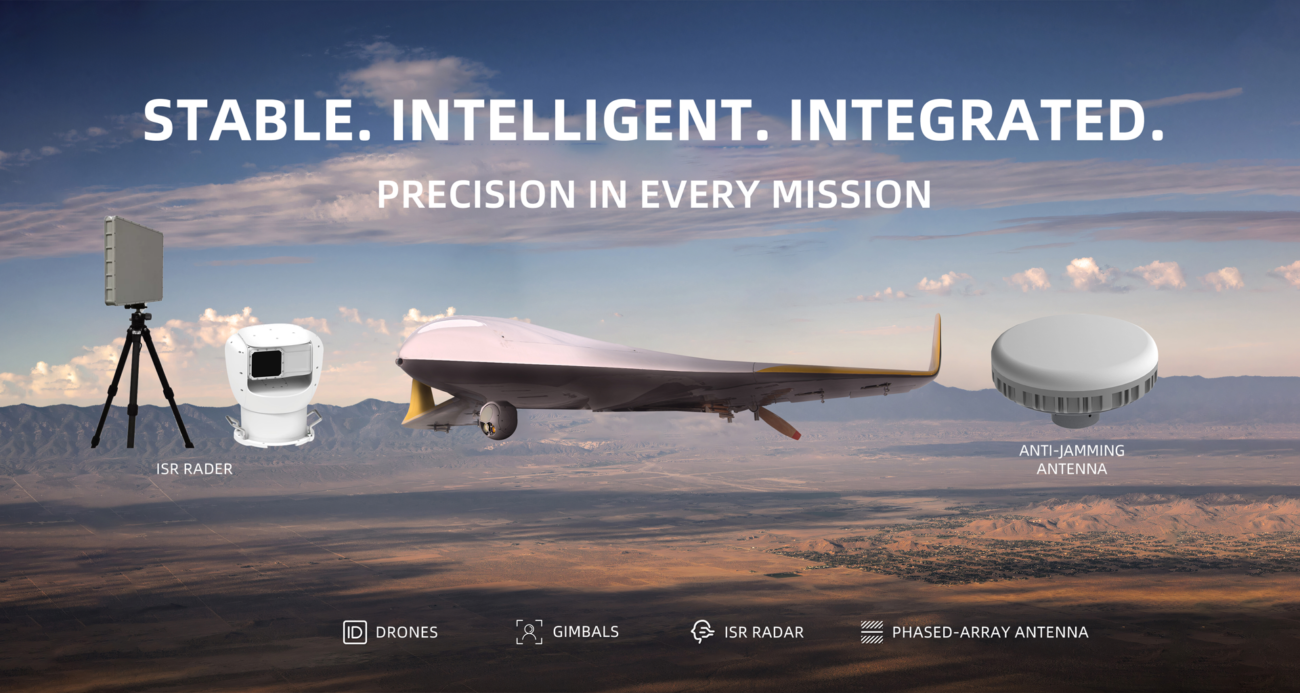
China Moneypro UAV manufacturer
China Moneypro UAV specializes in unmanned aerial systems and advanced sensor technologies, including UAV platforms, EO/IR gimbal cameras, radar systems, mesh radio communication, turbojet engines, GNSS antennas, infrared thermal & laser sensing, and other high-performance modules. We provide reliable, precise solutions for industrial inspection, environmental monitoring, mapping, and various professional applications worldwide. Explore our advanced solutions at Moneypro UAV.
Frequently Asked Questions (FAQ)
Are Bladeless VTL aircraft truly silent?
No aircraft is completely silent. However, a Bladeless VTL aircraft shifts the acoustic signature from a high-pitch, irritating whine to a low-frequency hum. This low-frequency sound blends easily into urban background noise, making the drone practically imperceptible from distances greater than 50 feet, which is why they are heavily favored in tactical operations.
Can bladeless drones carry heavy payloads?
Yes, but with limitations. Due to the physics of ducted thrust and the Coanda effect, lifting heavy payloads requires immense power, drastically draining the battery. While they can carry standard thermal cameras and sensors, they are not currently optimized for heavy cargo transport compared to exposed-rotor heavy-lift drones.
How does a Bladeless VTL aircraft maneuver without tilting?
They utilize advanced thrust vectoring. By altering the angle and pressure of the exhaust air through internal electronic baffles and nozzles, the aircraft can push itself forward, backward, or sideways while keeping the main fuselage perfectly level to the horizon.
References
To ensure the highest standards of E-E-A-T (Experience, Expertise, Authoritativeness, and Trustworthiness), the technical concepts discussed in this article are aligned with research from the following authoritative institutions:
- National Aeronautics and Space Administration (NASA) – Advanced Air Mobility and Aerodynamics Research
- Federal Aviation Administration (FAA) – Unmanned Aircraft Systems Regulations and Urban Safety Standards
- American Institute of Aeronautics and Astronautics (AIAA) – Fluid Dynamics and V/STOL Engineering Standards