


Yes, you may be able to buy an electric vertical takeoff and landing aircraft (eVTOL) in the United States, but buying one and legally flying one are two different questions. Availability depends on the aircraft, its certification status, the seller’s delivery terms and whether you intend to fly it privately, operate it commercially or purchase it for research and development. In October 2026, buyers should verify the current status of the specific model directly with the manufacturer and the Federal Aviation Administration (FAA) before paying a deposit.

Can You Legally Buy an eVTOL in the USA?
In many cases, yes—but do not assume that an eVTOL advertised for sale is approved for ordinary personal flight. Some companies accept reservations or sell aircraft intended for future certification, testing, training or specialized operations. A completed purchase does not automatically grant the owner permission to carry passengers, fly over populated areas or operate the aircraft like a conventional private plane.
The decisive question is the aircraft’s regulatory pathway. A piloted eVTOL designed to carry people is not the same as a small uncrewed multirotor, a remotely piloted cargo platform or a model aircraft. Aircraft certification, pilot qualifications, operational approvals, registration, airspace access and insurance may all affect whether the intended use is practical.
Our recommendation is to treat an eVTOL purchase as an aviation project, not simply a high-value consumer transaction. Before committing funds, obtain the exact model designation, certification status, intended operating category, delivery timeline, training requirements and written explanation of what the seller believes you will be legally allowed to do with the aircraft.
Quick Answer
Can you buy an eVTOL in the USA? Potentially, yes. Whether you can legally fly it depends on the specific aircraft, its approval status, the operation you intend to conduct and the applicable FAA rules.
| Buyer question | Practical answer | What to verify |
|---|---|---|
| Can I place an order? | Some manufacturers offer sales inquiries, reservations or preorders. | Whether the product is available for delivery or only planned for future production. |
| Can I fly it after purchase? | Not automatically. | Certification, registration, operating limitations, pilot qualifications and applicable approvals. |
| Can I use it as a personal aircraft? | Only if the aircraft and intended operation are legally eligible. | Manufacturer documentation and current FAA requirements. |
| Can I use it for business? | Commercial use may require additional approvals and operational compliance. | Passenger or cargo mission, operating rules, insurance and any required certificates. |
| Is an uncrewed VTOL drone the same thing? | No. An uncrewed VTOL UAV is a different product and regulatory case from a piloted passenger eVTOL. | Whether the aircraft is piloted or uncrewed and what rules apply to the mission. |
| What should I do before paying? | Conduct technical, regulatory and financial due diligence. | Refund terms, certification milestones, delivery commitments, maintenance and support. |
1. What Is an eVTOL?
eVTOL stands for electric vertical takeoff and landing. The term generally describes an aircraft that uses electric propulsion to take off and land vertically. Depending on its design, it may use multiple rotors, tilting propellers, lift-plus-cruise architecture or another configuration that combines vertical lift with forward flight.
The label covers a broad range of aircraft. Some are designed to carry a pilot and passengers; others are uncrewed systems intended for cargo delivery, inspection, surveying or research. Their size, payload, range, propulsion architecture and regulatory requirements can differ substantially.
This distinction matters when shopping. A compact uncrewed VTOL UAV that can be purchased for industrial work is not a passenger eVTOL, and a reservation for a future air taxi does not mean the aircraft is currently available for private flight. The seller’s terminology is not a substitute for the aircraft’s specifications and legal status.
If your real goal is aerial mapping, surveying, inspection or logistics, a conventional UAV may provide a more realistic return on investment. Explore options such as fixed-wing drones for photogrammetry or VTOL cargo drones before committing to a piloted electric aircraft.
2. How Buying an eVTOL in the USA Works
Buying an eVTOL typically involves more due diligence than purchasing a conventional consumer drone. The process should begin with the intended mission, then move through aircraft eligibility, regulatory status, manufacturer verification, operating costs and delivery terms.
Step 1: Define your intended use
Decide whether you want personal transportation, recreational experimentation, commercial passenger service, cargo transport, research or an uncrewed industrial platform. Each use case leads to a different shortlist. A buyer who wants to inspect remote infrastructure may not need a piloted aircraft at all.
Step 2: Identify the exact aircraft and manufacturer
Ask for the full model designation, propulsion configuration, payload limits, range assumptions, maximum takeoff weight, battery specifications and intended operating environment. Request technical documentation rather than relying on promotional illustrations or broad performance claims.
Verify that you are dealing with the manufacturer or an authorized representative. Confirm the legal identity of the contracting company, where the aircraft will be manufactured, what is included in the price and who will be responsible for training, warranty work and service.
Step 3: Verify the certification and approval pathway
Ask the seller to identify the current certification status and explain what approvals are required for your intended operation. Distinguish clearly between a design concept, prototype, aircraft undergoing testing, a product with a defined certification plan and an aircraft that has received the approvals necessary for the proposed use.
Do not treat a stated certification target date as an approved operating date. If your business case depends on a particular launch date, require written delivery and certification contingencies in the contract.
Step 4: Check ownership and operating obligations
Depending on the aircraft and use, requirements may involve registration, airworthiness documentation, pilot qualifications, operating limitations, maintenance procedures, airspace authorization and insurance. The exact obligations depend on the aircraft’s classification and the operation being conducted.
For a piloted aircraft, confirm the applicable pilot qualification and training pathway. For an uncrewed aircraft, verify the rules applicable to its weight, mission and operating environment. Do not assume that one regulatory pathway covers both.
Step 5: Review the complete financial commitment
Compare the quoted aircraft price with the full cost of ownership. Include charging infrastructure, spare batteries where applicable, maintenance, training, insurance, hangar or storage, software, connectivity, replacement components and any required support contract.
Before paying a deposit, review refund conditions, delivery milestones, warranty exclusions, acceptance testing and what happens if certification or production is delayed. In most professional situations, these contractual details are more important than a small discount on the advertised price.
3. Which Types of eVTOL Can You Buy?
There is no single eVTOL category that suits every buyer. The most useful distinction is between piloted passenger aircraft and uncrewed VTOL platforms, followed by the specific mission and regulatory status of the model.
Piloted passenger eVTOL aircraft
These aircraft are designed to carry a pilot and, depending on the model, passengers. They are the closest match to what many consumers mean when they ask whether they can buy a personal electric flying vehicle.
The commercial opportunity is real, but a buyer should not confuse a public announcement, reservation program or prototype flight with unrestricted availability. Verify the current certification status, approved operating limitations, training pathway and delivery arrangements directly with the manufacturer and relevant aviation authorities.
Personal or recreational electric aircraft
Some buyers are interested in small aircraft for personal use or experimental aviation. Legal eligibility depends on the aircraft’s design, certification or experimental status, operating limitations and the applicable rules. The phrase “personal eVTOL” does not itself define a legal aircraft category.
If this is your target, establish the precise legal pathway before making a purchase decision. Ask what kind of flying is permitted, where the aircraft may operate, who may pilot it and whether the aircraft can be used for the mission you have in mind.
Uncrewed VTOL UAVs
Uncrewed vertical takeoff and landing systems are often more practical for industrial users who need to carry sensors or payloads without transporting people. They can combine vertical takeoff capability with efficient forward flight, depending on the architecture.
Typical applications include infrastructure inspection, mapping, environmental monitoring and selected logistics missions. If these are your priorities, a commercial UAV may offer a clearer purchasing path than a piloted passenger eVTOL.
Compare commercial fixed-wing UAVs and BVLOS fixed-wing UAV options when the mission involves longer-distance data collection or operations beyond visual line of sight. Such operations still require compliance with the rules and approvals applicable to the specific mission.
VTOL cargo and delivery platforms
Uncrewed cargo VTOL aircraft target transport tasks where vertical takeoff capability, route flexibility and payload capacity are important. For a business, the key metrics are payload at the required range, dispatch reliability, weather limitations, turnaround time, maintenance access and the regulatory pathway for the route.
Review fixed-wing cargo drone solutions if your goal is to move goods rather than passengers. The best system is the one that meets the mission requirements at a sustainable operating cost, not necessarily the aircraft with the most impressive advertised range.
4. FAA Certification and Legal Requirements: What Buyers Must Verify
The Federal Aviation Administration regulates civil aviation in the United States. A piloted eVTOL intended to carry people is subject to a different set of considerations from a small uncrewed aircraft. Certification and operating requirements depend on the aircraft design, its intended category and the proposed operation.
Aircraft certification and airworthiness
Ask the manufacturer what type of FAA approval or certification applies to the exact model and intended operation. A prototype or experimental aircraft may be permitted to operate only within specific limitations; that does not automatically make it suitable for routine passenger transport or commercial service.
Likewise, a manufacturer’s statement that certification is in progress does not establish that certification has been granted. Confirm the status through current official records and the documentation supplied for the aircraft.
Registration and pilot qualifications
Registration requirements depend on the aircraft and operating category. Piloted aircraft may require an applicable pilot certificate, training and other qualifications. Uncrewed operations follow a separate regulatory framework, with requirements affected by aircraft weight, purpose, operating location and mission profile.
Do not assume that a recreational drone credential authorizes someone to pilot a passenger eVTOL. Ask the manufacturer and the FAA which qualifications apply to the exact aircraft.
Airspace and operating restrictions
Buying an aircraft does not grant unrestricted access to controlled airspace, airports, populated areas or every potential landing location. Route planning, operational limitations, airspace authorization and local site conditions may restrict where and how the aircraft can be used.
For a commercial business, build these constraints into the business plan before calculating revenue. A vehicle that performs well technically may still be unsuitable for a planned route if the necessary operating permissions or infrastructure are unavailable.
Commercial operations and passenger service
Commercial passenger transport can involve requirements beyond those associated with private ownership or experimental use. The relevant framework depends on the operation, aircraft and business model. If you intend to sell passenger flights, lease aircraft for operations or carry cargo commercially, obtain advice from qualified aviation counsel and the relevant authorities before committing capital.
Buyer rule: Ask the seller to document what the aircraft is legally approved to do today, not what the company expects it to do after future certification. If the answer is vague, delay the purchase until the status is clear.
5. eVTOL Buying Options Compared
The right choice depends on whether you need passenger transportation, experimental access or an industrial UAV. This comparison is about purchase suitability, not a ranking of specific aircraft manufacturers.
| Option | Best use case | Main purchasing concern | Buyer recommendation |
|---|---|---|---|
| Piloted passenger eVTOL | Personal aviation or future passenger transport where legally permitted | Certification, pilot pathway, delivery status and total ownership cost | Proceed only after confirming the exact aircraft’s legal operating status |
| Experimental or development aircraft | Qualified research, development or specialized experimental activity | Operating limitations, testing requirements and support | Buy only if the limitations fit your documented purpose |
| Uncrewed VTOL UAV | Inspection, mapping, environmental monitoring and industrial missions | Payload, endurance, sensor integration and operating approvals | Often the more practical option when no human passenger is required |
| VTOL cargo drone | Selected delivery and logistics operations | Payload-range trade-off, route approval and operating cost | Validate the economics with real routes and loads before scaling |
| Fixed-wing UAV | Longer-duration mapping, surveying or data collection | Launch and recovery needs, endurance and mission terrain | Compare it with VTOL when vertical takeoff is not essential |
For industrial missions, Moneypro UAV’s coverage of long-range fixed-wing drones can help you compare alternatives. A fixed-wing aircraft may be more efficient for certain long-distance missions, while VTOL capability can be valuable where runways or launch areas are unavailable. The correct choice depends on payload, range, terrain, deployment time and applicable operating rules.
6. Pros and Cons of Buying an eVTOL
| Potential advantages | Costs, risks and limitations |
|---|---|
| Electric propulsion may reduce direct operating emissions compared with some combustion-powered aircraft, depending on the electricity source and full lifecycle. | Purchase price, charging infrastructure and battery replacement can be substantial. |
| Vertical takeoff and landing may reduce dependence on conventional runways for suitable aircraft and approved operating sites. | Vertical takeoff does not mean an aircraft can safely land anywhere; site, airspace and operating limitations still apply. |
| Distributed electric propulsion can enable new aircraft configurations. | New designs may have limited service history, support networks or established maintenance infrastructure. |
| Uncrewed VTOL systems can support inspection, mapping and cargo missions. | Payload, endurance, weather tolerance and regulatory limits can constrain practical performance. |
| Early engagement with a manufacturer may provide access to training or future product programs. | Reservations and announced specifications do not guarantee delivery, certification or a particular launch date. |
Buying an eVTOL is worth considering when the aircraft solves a specific transport or operational problem that conventional aircraft, ground transport or existing UAVs cannot solve as effectively. It is a poor purchase if the business case relies on unconfirmed certification dates, optimistic range claims or the assumption that ownership automatically grants permission to fly.
7. How Much Does an eVTOL Cost in the USA?
There is no single reliable price for an eVTOL. Costs vary significantly between small uncrewed platforms, experimental aircraft and piloted passenger designs. Some manufacturers publish prices, while others provide quotations or reservation terms only. A meaningful estimate requires the exact model, configuration, delivery status and intended use.
Do not treat an online reservation amount as the final aircraft price. It may represent a refundable deposit, a nonrefundable reservation, an initial payment toward a future purchase or another contractual arrangement. Read the actual agreement and verify the company’s refund policy before sending funds.
Costs to include in your budget
- Aircraft purchase: Base configuration, selected options, payload equipment and any custom integration.
- Certification and delivery conditions: Whether delivery is contingent on regulatory milestones, production readiness or other events.
- Training: Pilot training, operator instruction, maintenance training or specialist certification where applicable.
- Infrastructure: Charging equipment, electrical upgrades, storage, landing facilities and site preparation.
- Maintenance and support: Scheduled servicing, spare parts, technical support, software and warranty exclusions.
- Insurance and compliance: Coverage and professional advice appropriate to the aircraft and operation.
- Battery and propulsion components: Replacement schedules, service costs and any manufacturer-specific requirements.
Calculate the cost-benefit case before buying
For commercial users, compare the aircraft’s total annual operating cost with the cost of the existing workflow. Include actual mission frequency, payload requirements, downtime, staff, transport alternatives and the proportion of planned operations that can legally be performed.
For example, a company considering a VTOL UAV for infrastructure inspection should calculate the cost per completed inspection, not just the purchase price. A system that saves setup time but cannot carry the required sensor or operate in the needed conditions may not produce a useful return.
For a personal passenger eVTOL, compare the total ownership burden with realistic alternatives, including charter services, conventional aircraft or ground transport. Do not base the calculation on advertised range alone; usable range can vary with payload, weather, reserves and operating conditions.
8. eVTOL Buyer Checklist: What to Ask Before Paying
Before committing to a purchase, request written answers to the following questions. A credible supplier should be able to explain its product, delivery terms and known limitations without relying on vague promises.
- What is the exact aircraft model and configuration?
- Is it piloted or uncrewed, and what is its intended operating category?
- What is the current certification or approval status for the intended use?
- What can the buyer legally do with the aircraft today?
- What are the demonstrated payload, endurance, range and weather limitations?
- What assumptions underlie the advertised range and performance figures?
- What training, registration, pilot qualifications or operating approvals may be required?
- What is included in the quoted price, and what costs are excluded?
- Is the deposit refundable, and what happens if production or certification is delayed?
- What are the warranty terms, maintenance schedule and spare-parts arrangements?
- Where is the aircraft manufactured, and who provides support in the United States?
- Can the seller provide references, test documentation and a written acceptance procedure?
For commercial buyers, include a technical demonstration or acceptance test where appropriate. Specify measurable criteria such as payload, endurance under defined conditions, sensor compatibility, communications performance and maintenance support. Do not accept a headline specification as a substitute for a configuration-specific test report.
9. Where Moneypro UAV Fits In
Moneypro UAV is a China-based UAV manufacturer and solutions provider focused on unmanned aircraft systems and advanced sensing technologies. Its stated product scope includes UAV platforms, EO/IR gimbal cameras, radar systems, mesh radio communications, turbojet engines, GNSS antennas, infrared thermal sensing and laser sensing modules.
These capabilities are relevant to professional users evaluating industrial UAVs, sensor payloads and mission-specific aircraft configurations. They are not, by themselves, evidence that a particular piloted passenger eVTOL is certified or available for unrestricted operation in the United States.
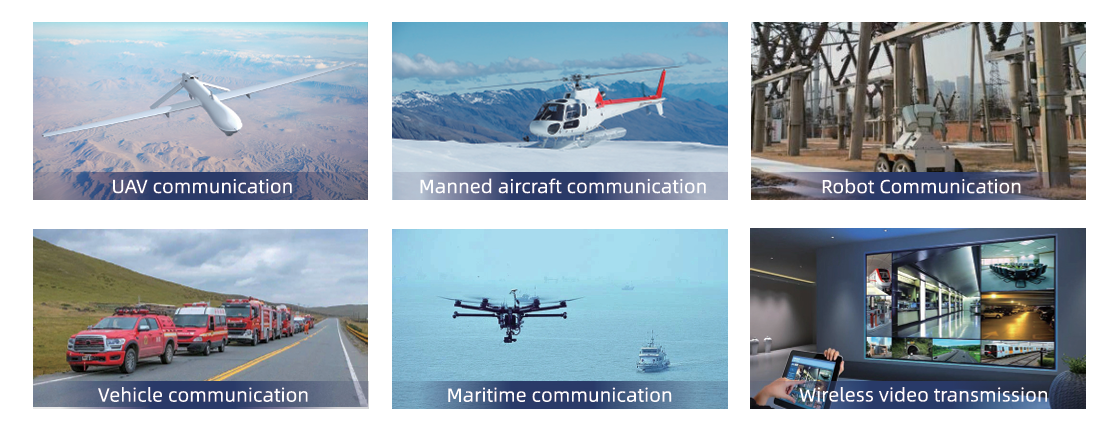
Moneypro UAV: Industrial UAV and VTOL Solutions
For buyers whose objective is inspection, surveying, environmental monitoring or selected logistics missions, an industrial VTOL UAV may be more practical than a piloted eVTOL.
- UAV platforms for professional applications.
- Sensor and payload integration options, subject to model availability.
- EO/IR, thermal, GNSS and communications technologies within the stated product scope.
- Solutions for mapping, monitoring and other industrial workflows.
Before selecting any supplier, verify the aircraft’s technical specification, manufacturing quality controls, delivery terms, after-sales support and regulatory suitability for the United States. For overseas procurement, also investigate import requirements, shipping arrangements, applicable export controls, customs treatment and any restrictions that apply to the aircraft or its components.
To broaden your supplier research, review Moneypro’s guide to UAV manufacturers in China and its overview of unmanned aerial vehicle manufacturers. Use such lists to build a shortlist, then verify the claims, capabilities and references of each manufacturer independently.
10. Common Mistakes When Buying an eVTOL
Assuming that for sale means approved to fly
A product listing or preorder page does not establish airworthiness or permission for the intended operation. Ask for the exact approval status and confirm it through official sources.
Confusing piloted eVTOLs with uncrewed VTOL drones
These products serve different purposes and can fall under different regulatory requirements. If you only need aerial data collection or cargo transport, an uncrewed platform may be a better fit. If you intend to carry people, verify the passenger aircraft’s legal status and operating pathway.
Buying based on advertised range alone
Range figures depend on assumptions about payload, speed, weather, reserves and operating conditions. Ask for documented performance data that matches your intended configuration. For business applications, evaluate usable mission range rather than the most favorable headline number.
Underestimating ownership costs
Charging, maintenance, training, insurance, storage and support can materially affect the economics. Build a realistic lifecycle budget before comparing an eVTOL with existing transport or UAV solutions.
Paying a deposit without clear protections
Read the agreement for refundability, delivery milestones, certification contingencies and remedies if the manufacturer misses its commitments. If the purchase is significant, obtain legal advice from someone experienced in aviation transactions.
Assuming overseas manufacture makes U.S. operation automatic
An aircraft’s country of manufacture does not determine whether it can be legally operated for every purpose in the United States. Verify applicable import, certification, registration, operational and export-control considerations for the specific product and mission.
11. Expert Recommendation: Should You Buy an eVTOL in the USA?
Our recommendation is to buy only after you have separated three questions: Is the aircraft genuinely available? Is it legally eligible for your intended operation? Does the complete ownership and operating cost make sense?
If you want personal passenger transportation, focus first on the specific aircraft’s certification status, approved operating limitations, pilot training, delivery conditions and maintenance support. A reservation for a future aircraft should be treated as a contractual commitment with risk, not as immediate access to a flying vehicle.
If your objective is commercial inspection, mapping, environmental monitoring or logistics, compare uncrewed VTOL platforms with fixed-wing UAVs. A VTOL configuration may be useful when vertical launch and recovery are important, while fixed-wing designs can be more appropriate for some long-endurance missions. Your payload, route, terrain, weather, operating approvals and service requirements should determine the choice.
For beginners, avoid making a large deposit based on promotional range figures or a promised certification date. For commercial users, build a mission-level cost model and request written technical specifications, acceptance criteria and support commitments. For overseas purchases, confirm the U.S. regulatory pathway and import considerations before production or shipment.
Bottom line: You may be able to buy an eVTOL in the USA, but ownership does not automatically authorize flight. Verify the aircraft, regulatory status, intended mission and full lifecycle cost before signing. If you need industrial aerial capability rather than passenger transport, a purpose-built uncrewed VTOL UAV may be the more practical purchase.
12. Frequently Asked Questions
Can I buy an eVTOL in the USA as a private individual?
Potentially, depending on the aircraft and the seller’s terms. However, being able to purchase an aircraft does not automatically mean you can legally fly it. Verify its certification or operating status, registration requirements, pilot qualifications and limitations for your intended use.
Can I fly a passenger eVTOL immediately after buying it?
Not necessarily. The aircraft must be eligible for the intended operation, and the owner or pilot must satisfy the applicable requirements. Confirm the current status with the manufacturer and FAA rather than relying on a projected certification date.
How much does an eVTOL cost in the USA?
Pricing varies widely by aircraft type, payload, configuration and certification status. Some suppliers publish prices while others offer quotations or reservations. Include training, charging, maintenance, insurance, storage and support when calculating the total cost.
What is the difference between an eVTOL and a VTOL drone?
eVTOL describes electric vertical takeoff and landing aircraft and is often used for piloted passenger designs. VTOL drone usually refers to an uncrewed aircraft that can take off and land vertically. The terms can overlap technically, so check whether the aircraft is piloted or uncrewed and what it is designed to do.
Can I import an eVTOL from China into the United States?
Import feasibility depends on the aircraft, its components, applicable customs and export-control rules, and the intended operation. Importing a product does not automatically make it eligible for U.S. flight. Verify the requirements with relevant authorities and qualified aviation or trade professionals before ordering.
Is an eVTOL suitable for commercial cargo delivery?
Some uncrewed VTOL systems are designed for cargo applications. Suitability depends on payload, range, weather limits, reliability, route economics and regulatory approval for the intended operation. Compare the full mission cost with ground transport and other UAV configurations.
What should I ask an eVTOL manufacturer before paying a deposit?
Request the exact model and configuration, certification status, current legal operating limitations, performance documentation, delivery conditions, refund policy, warranty, training requirements, maintenance plan and U.S. support arrangements. Have the contract reviewed if the financial commitment is significant.
Is a VTOL UAV a better alternative to a passenger eVTOL?
If your goal is mapping, inspection, environmental monitoring or cargo operations without carrying people, an uncrewed VTOL UAV may be more practical. If your mission requires passenger transport, a UAV is not a substitute. Choose based on the actual mission rather than the aircraft category’s marketing appeal.
13. References
Use current official information to confirm aircraft-specific requirements. Regulatory status can change, and the applicable rules depend on the model and intended operation.
- Federal Aviation Administration — Advanced Air Mobility and Air Taxis. Official FAA information on emerging air taxi operations and the regulatory environment for advanced air mobility.
- Federal Aviation Administration — Airworthiness Certification. Official background on aircraft airworthiness certification and related processes.
- Federal Aviation Administration — Unmanned Aircraft Systems. Official guidance for uncrewed aircraft, including applicable operating and compliance information.
This article is a buyer’s guide, not a determination that a specific aircraft is certified, available for delivery or authorized for a particular operation. Confirm the current requirements with the FAA and qualified aviation professionals before purchasing or operating an aircraft.