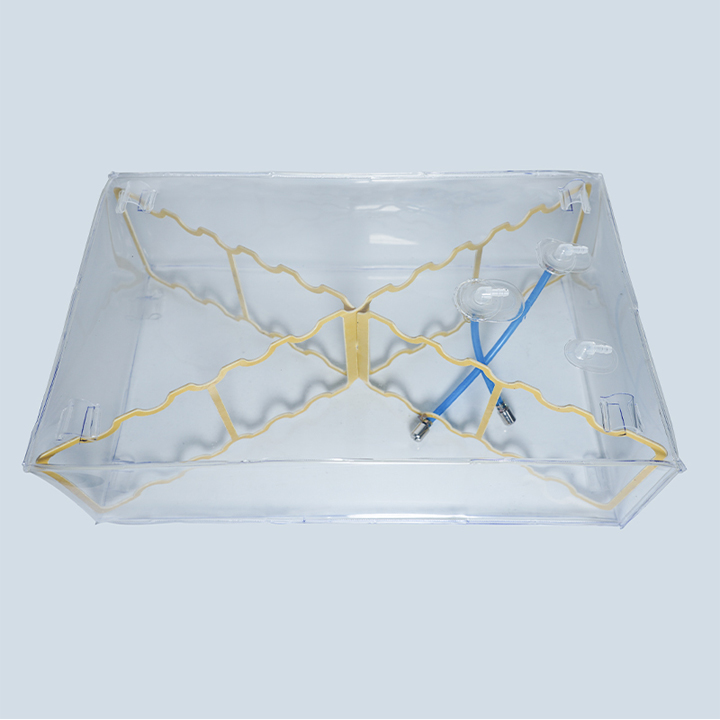
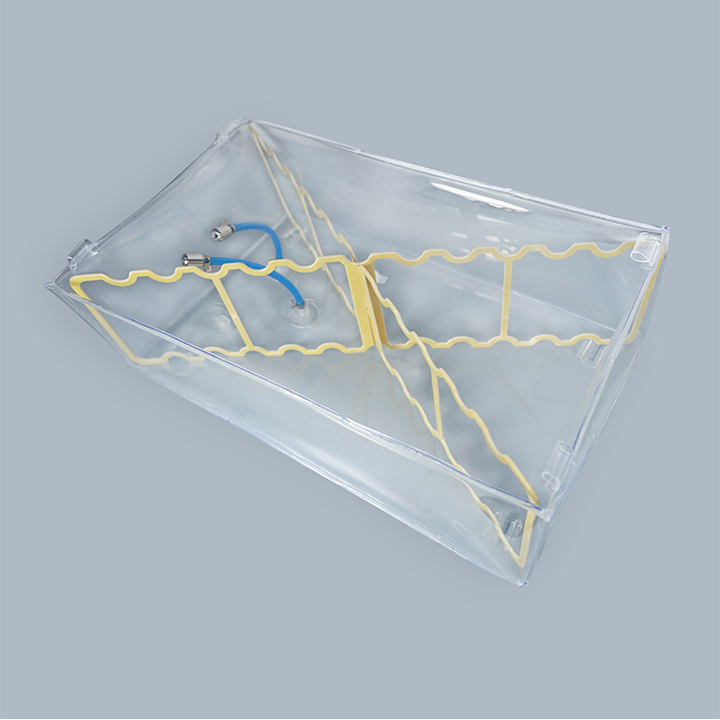
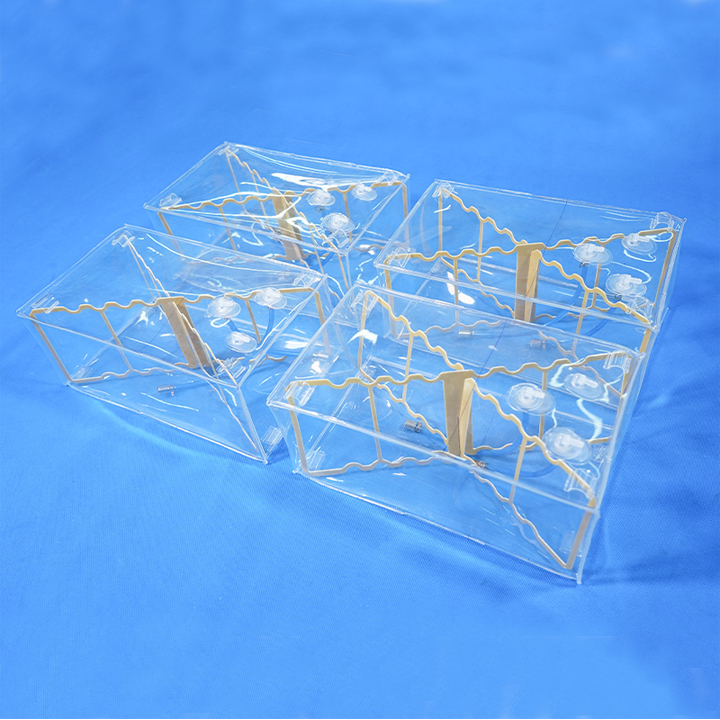
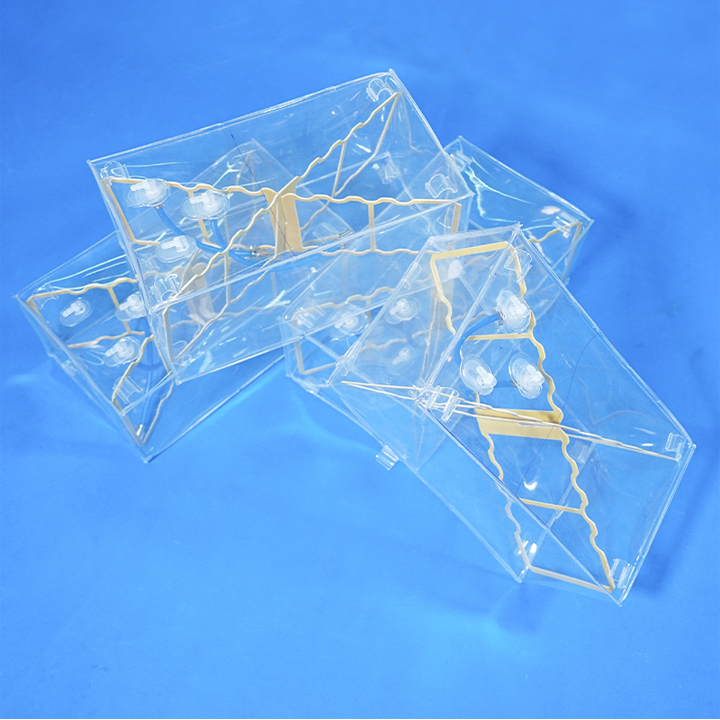
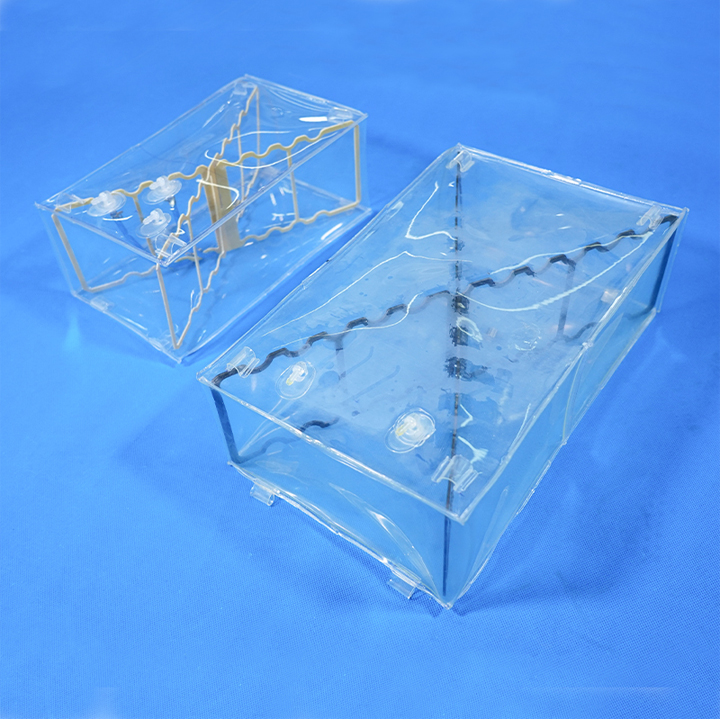
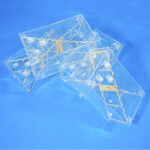
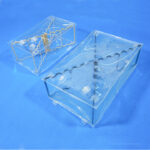
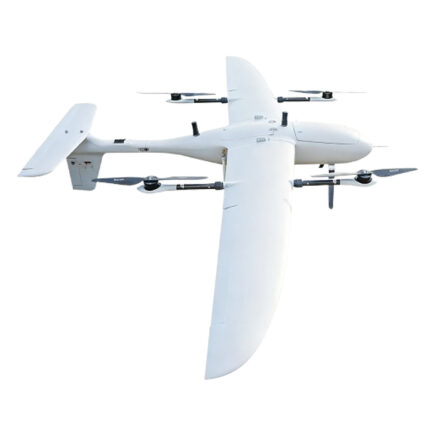
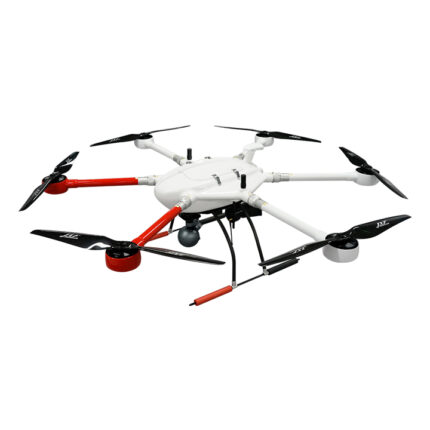
Features of TPU Soft Fuel Tank for Hybrid Drones
-
Ultimate Lightweight & High Space UtilizationMade of TPU (Thermoplastic Polyurethane) with a density only 1/5 to 1/8 that of metal and a single-layer thickness controllable between 0.5-2mm, it reduces the overall weight of the fuel system by over 30%. Its flexible nature fits the irregular spaces of drone fuselages, and the space filling rate reaches 98% after bionic structure optimization, significantly enhancing effective payload and endurance potential.
-
Superior Corrosion Resistance & Environmental AdaptabilityIt has inherent resistance to aromatic hydrocarbon components in hybrid power fuels such as JP-8 and aviation kerosene. Verified by accelerated aging tests, there is no precipitate in the wide temperature range of -55℃ to 125℃, fully complying with the MIL-DTL-83133F military standard and adapting to complex environments like high altitudes and alternating high-low temperatures.
-
Strong Impact Resistance & Anti-Sloshing PerformanceWith a material elongation at break of 600% and a patented buffer structure, its impact resistance is more than 5 times that of rigid fuel tanks. It can effectively suppress fuel “sloshing” to avoid control failure caused by center-of-gravity shift during drone maneuvering, suitable for high-impact scenarios such as shipboard landing.
-
Low Permeability & Safety AssuranceGraphene modification technology increases oxygen barrier property by 40%, reducing fuel permeability to below 0.05g/m²·day (far exceeding the industry average). Some models integrate thin-film pressure sensors and optical fiber monitoring networks to real-time feed back fuel level and bladder deformation. Combined with reliable sealing design, it eliminates leakage risks.
-
Easy Maintenance & Modular AdaptabilityThe outer Kevlar fiber braided layer enhances tear resistance, and the modular design supports quick replacement, reducing maintenance costs (e.g., maintenance costs decrease by 60% in logistics drone applications). It adapts to the multi-equipment integration needs of hybrid drones and can flexibly match the fuselage layout.