


The modern tactical landscape demands aerial assets that transcend traditional runway constraints while maintaining uncompromising endurance and payload capacity. Vertical Take-Off and Landing (VTOL) technology has revolutionized tactical deployments, allowing commanding officers to launch fixed-wing surveillance and payload delivery systems from austere environments, dense jungle canopies, or the decks of naval vessels. In current defense procurement, the search for the ultimate remote control planes vtol drone military systems focuses heavily on avionics redundancy, aerodynamic stability in extreme weather, and hybrid power efficiency.
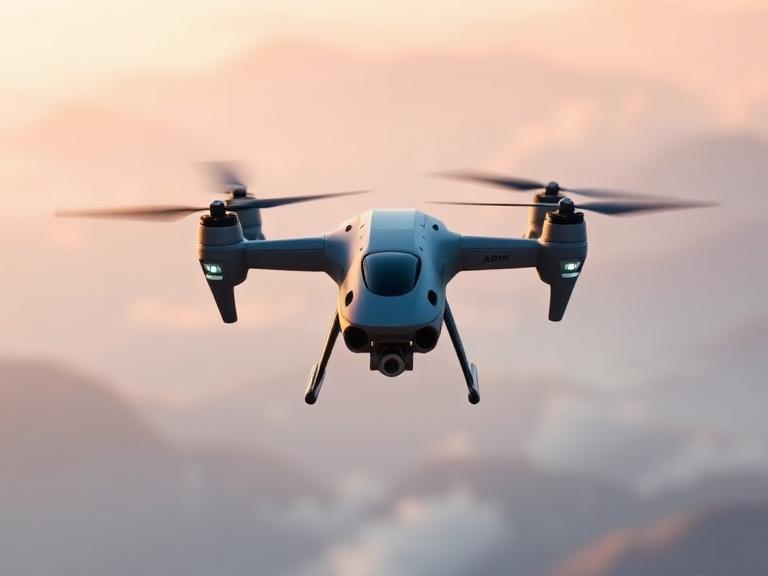
At China Moneypro, we specialize in the engineering, design, and manufacturing of professional-grade unmanned aerial vehicles. From our experience supporting global industrial and tactical operations, a successful remote control planes vtol drone military asset must seamlessly blend bionic aerodynamics with robust carbon fiber construction. We recommend that defense contractors and procurement agencies rigorously evaluate MTOW (Maximum Take-Off Weight), dual-RTK positioning capabilities, and wind resistance ratings before committing to a fleet. In this authoritative guide, we detail the top 6 remote control planes vtol drone military platforms available today, exploring their specifications, operational thresholds, and strategic advantages.
Table of Contents
1. The Evolution of Defense VTOL Technology
Historically, the deployment of fixed-wing surveillance aircraft required extensive logistical support, including catapult launchers, arresting nets, and paved runways. While multirotor drones offered vertical ascent, their severe battery limitations rendered them useless for long-range, theater-level intelligence gathering. The integration of hybrid aerodynamics birthed the modern remote control planes vtol drone military sector. These systems utilize independent vertical rotors to lift the chassis above ground obstacles before engaging a primary forward-thrust motor, transitioning smoothly into energy-efficient fixed-wing flight.
From our experience at China Moneypro, the true breakthrough in this sector is the mastery of transition dynamics. The software governing the precise moment a drone shifts from hover to forward flight must account for unpredictable crosswinds and payload weight distribution. This requires military-grade flight controllers and dual-redundant GPS/RTK systems to prevent catastrophic stalls. Today, the leading remote control planes vtol drone military assets can stay airborne for up to 10 hours, effectively bridging the gap between localized quadcopters and massive, satellite-controlled strategic bombers.
2. The Top 6 remote control planes vtol drone military Systems
Based on rigorous aerodynamic testing, payload versatility, and operational deployment data, we have categorized and ranked the most capable platforms in the industry. The first three systems are engineered directly by our team at China Moneypro, representing the absolute pinnacle of current VTOL technology, while the latter three represent vital archetypal classes that round out a complete military drone fleet.
2.1 China Moneypro M390 Super Powerful Hybrid VTOL Drone
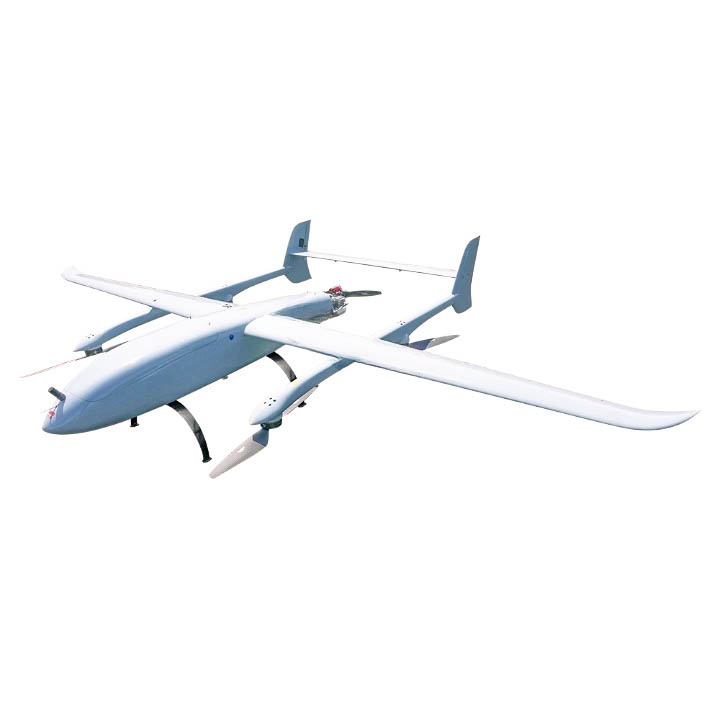
For theater-level Intelligence, Surveillance, and Reconnaissance (ISR), sheer endurance is the ultimate metric. The China Moneypro M390 Super Powerful Hybrid VTOL Drone is engineered specifically for prolonged overwatch missions. Boasting a massive 3,920mm wingspan, this platform dominates the long-range remote control planes vtol drone military category.
We recommend the M390 for forces requiring uninterrupted border patrol or maritime surveillance. The specifications are unrivaled: it achieves a maximum flight time of 10 hours while carrying a 5kg payload, with an absolute maximum payload capacity of 8kg and an MTOW of 35kg. The secret to this endurance lies in its hybrid fuel system, featuring a 10L TPU tank equipped with anti-slosh baffles. From our experience, fuel sloshing during aggressive tactical maneuvers can shift the center of gravity and cause crashes; our baffle system eliminates this risk. Furthermore, operating at a service ceiling of 5,000 meters and a max speed of 144km/h (40m/s), it remains highly elusive. Its Dual-RTK positioning ensures 0.01m accuracy with a 20Hz refresh rate, providing exact targeting coordinates immune to standard GPS spoofing.
2.2 China Moneypro MVT240 PRO Bionic VTOL Drone
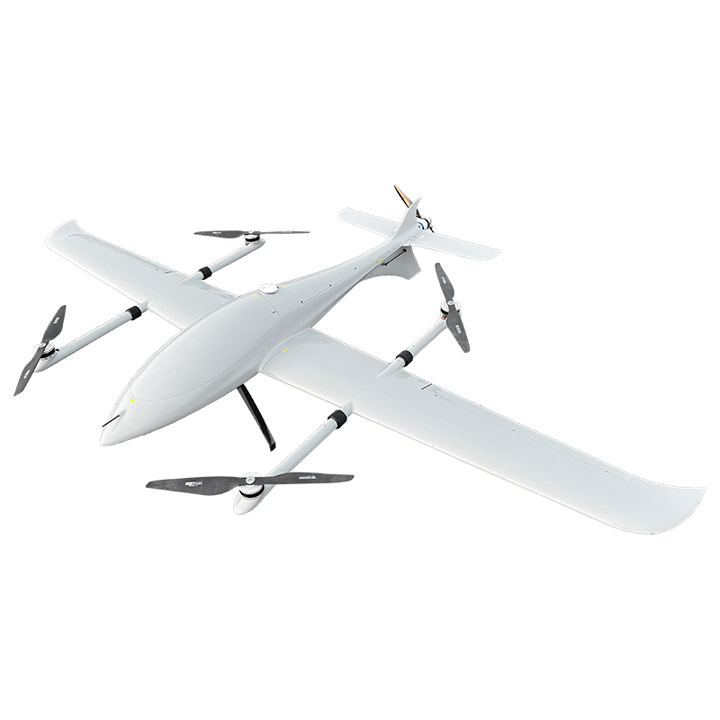
Stealth, rapid deployment, and structural resilience are the hallmarks of localized tactical units. The China Moneypro MVT240 PRO Bionic VTOL Drone delivers smooth flight capabilities through its advanced bionic aerodynamic profile. Constructed from high-grade carbon fiber, the airframe is exceptionally light at 7.4kg (including power components), yet it supports an MTOW of 10kg.
When selecting remote control planes vtol drone military assets for infantry support, portability and ease of use are critical. The MVT240 PRO features a 2398mm wingspan and a length of 1520mm, with a package chargeable size of just 162x42x46cm, making it highly transportable. It utilizes an all-electric propulsion system (recommended 2x6S 22000mAH Li-ion batteries) to achieve 210 minutes of flight time with a 1.6kg payload. With a max cruising speed of 80km/h and an IP45 rating, it operates flawlessly in adverse weather conditions across a temperature range of -20 to 50 degrees Celsius. It can withstand wind resistance of 12m/s in fixed-wing mode and 9m/s in VTOL mode, ensuring reliable reconnaissance in hostile microclimates.
2.3 M15 UAV Advanced eVTOL Drone
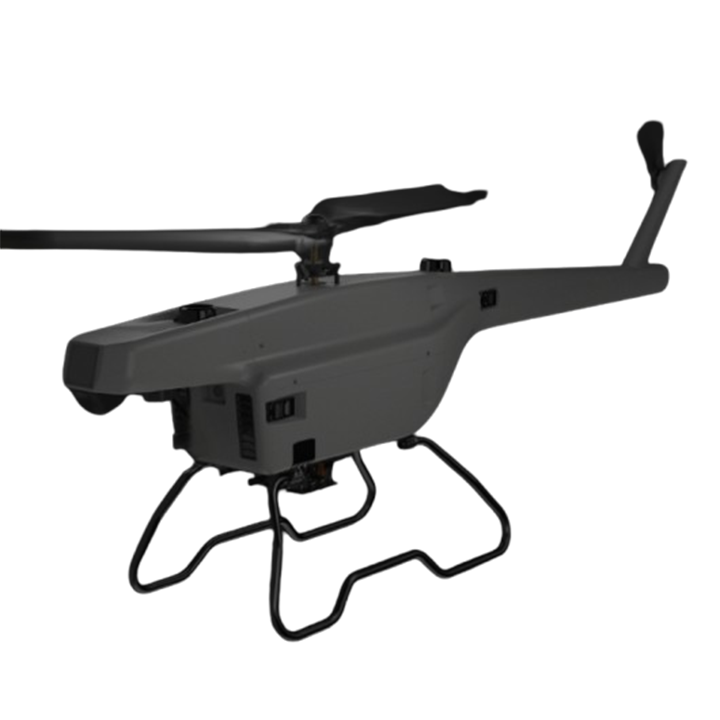
High-altitude environments, such as mountainous borders and alpine combat zones, present severe challenges due to thin air density. The M15 UAV Advanced eVTOL Drone is an industrial crossover platform perfectly suited for high-altitude military applications. Its dimensions are 1710x324x583mm, making it a highly compact yet powerful system.
We recommend the M15 for operations where violent weather is expected. It boasts a Class 8 wind resistance rating, ensuring stability during vertical takeoff even in gale-force conditions. With a maximum take-off weight of 19kg and a maximum load capacity of 5kg, it provides 100 minutes of endurance (no load). Most impressively, it achieves a maximum flight altitude of 7000 meters, allowing it to soar above mountain peaks and enemy anti-aircraft artillery range. This makes the M15 a highly specialized remote control planes vtol drone military asset for alpine warfare.
2.4 Heavy-Lift Combat Resupply VTOLs
The fourth category of essential remote control planes vtol drone military systems involves logistics. In modern warfare, convoy routes are highly susceptible to IEDs and ambushes. Heavy-lift VTOL platforms are designed specifically to bypass ground routes, delivering ammunition, medical supplies, and rations directly to forward operating bases. While they lack the 10-hour endurance of the M390, their vertical lift capacity is prioritized to carry payloads exceeding 20kg over short distances.
2.5 High-Altitude SIGINT Relay Platforms
Electronic warfare forms the invisible front line. High-altitude loitering VTOLs equipped with Signals Intelligence (SIGINT) payloads represent the fifth core remote control planes vtol drone military archetype. These specialized drones act as mobile communication towers, relaying encrypted radio traffic over mountainous terrain while simultaneously triangulating enemy radar and radio emissions. Their ability to launch vertically from a mobile command center and orbit at 5000+ meters makes them indispensable.
2.6 Tactical Loitering Munition Systems
Commonly referred to as “kamikaze drones,” VTOL loitering munitions round out the top 6 remote control planes vtol drone military categories. These platforms carry an integrated explosive warhead. They launch vertically, transition to fixed-wing flight to loiter over a designated combat zone for hours, and then dive precisely onto a designated target once acquired by the operator. The VTOL aspect allows special forces to launch these kinetic strikes without runway infrastructure.
3. Critical Engineering Standards We Recommend
When procuring a fleet of remote control planes vtol drone military systems, distinguishing between commercial hobbyist drones and defense-grade platforms is vital. From our experience at China Moneypro, we recommend mandating the following engineering standards:
- Dual-RTK Positioning: Standard GPS is easily jammed in conflict zones. Dual Real-Time Kinematic (RTK) positioning, standard on our M390, provides centimeter-level accuracy and resistance to electronic spoofing.
- Carbon Fiber Airframes: Military assets endure immense stress. Carbon fiber construction, as utilized in the MVT240 PRO, provides the optimal strength-to-weight ratio, ensuring survivability during hard landings and high G-force maneuvers.
- Anti-Slosh Hybrid Fuel Systems: For long-endurance flights exceeding 5 hours, liquid fuel hybrid generators are required. We strictly recommend TPU tanks with integrated anti-slosh baffles to prevent sudden shifts in the aircraft’s center of gravity.
- IP45 or Higher Weather Ratings: Combat does not pause for rain. Your remote control planes vtol drone military platform must feature sealed avionics bays and weather-resistant motor cowlings to operate in temperatures from -20 to 50 degrees Celsius.
4. Summary Table of Military VTOL Specifications
To assist defense planners and procurement officers in their evaluation process, we have compiled the core operational metrics of the premier China Moneypro VTOL platforms.
| Platform Model | Wingspan | MTOW / Max Payload | Max Endurance | Flight Ceiling | Key Military Advantage |
|---|---|---|---|---|---|
| China Moneypro M390 Hybrid | 3,920mm | 35kg / 8kg | 10 Hours (with 5kg load) | 5,000m | Extreme endurance, Dual-RTK, Anti-slosh tank |
| China Moneypro MVT240 PRO | 2,398mm | 10kg / 1.6kg | 210 Minutes | 4,500m | Bionic stealth, full carbon fiber, -20 to 50 Celsius operations |
| M15 Advanced eVTOL | 1,710mm (Length) | 19kg / 5kg | 100 Minutes (No load) | 7,000m | Class 8 wind resistance, ultra-high altitude capability |
5. Frequently Asked Questions (FAQs)
What defines a remote control planes vtol drone military asset versus a commercial drone?
From our experience, military-grade VTOL platforms are distinguished by their secure, encrypted data links (anti-jamming), extreme environmental tolerances, and advanced material composition (pure carbon fiber/kevlar). Furthermore, they must support heavy tactical payloads like EO/IR laser designators and feature redundant flight controllers to prevent catastrophic failure.
Why is a hybrid power system recommended for the M390?
We recommend hybrid systems for extended ISR missions because current lithium-ion battery technology cannot support 10-hour flight times with heavy payloads. A hybrid system uses liquid fuel to run an onboard generator, which continuously supplies power to the electric flight motors, bridging the gap between high energy density and reliable electric propulsion.
Can the MVT240 PRO operate in harsh weather conditions?
Yes. The MVT240 PRO is engineered with an IP45 rating, meaning it is protected against solid object ingress and low-pressure water jets from any direction. Its aerodynamic design allows it to withstand wind resistance up to 12m/s in fixed-wing mode and 9m/s in VTOL hover mode, making it an exceptionally reliable remote control planes vtol drone military tool in adverse climates.
How does Dual-RTK positioning enhance drone survivability?
Dual-RTK (Real-Time Kinematic) positioning provides 0.01m accuracy and high refresh rates (20Hz). This ensures that target coordinates acquired by the drone are exact, which is necessary for coordinating precision artillery. More importantly, it provides a highly secure navigational baseline that is highly resistant to enemy GPS spoofing and electronic warfare tactics.
6. Industry References
To further understand the tactical deployment and engineering specifications required for modern aerospace defense assets, we recommend consulting the following authoritative bodies:
- United States Department of Defense (DoD) – Guidelines on Unmanned Aircraft Systems (UAS) integration and tactical roadmap requirements.
- Federal Aviation Administration (FAA) – Regulatory frameworks governing advanced VTOL operations and airspace deconfliction.
- American Institute of Aeronautics and Astronautics (AIAA) – Technical standards for aerospace engineering, hybrid propulsion, and aerodynamic material sciences.