


Table of Contents
1. Introduction to UAV Technology
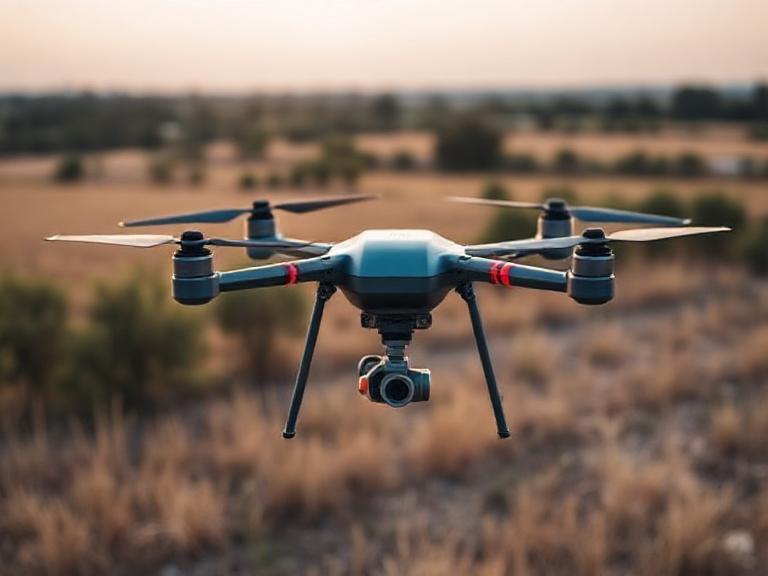
Modern unmanned systems have reshaped global industries, and the pace of innovation continues to accelerate. From multispectral crop analysis to long-range battlefield reconnaissance, UAV applications now span nearly every data-driven sector. Equipped with AI-powered sensors, automated flight planning, and advanced communication systems, UAVs deliver unmatched efficiency in data collection and real-time monitoring.
Current UAV applications integrate:
- High-precision imaging systems
- Fiber optic and digital data links
- Autonomous navigation algorithms
- Real-time cloud-based analytics
- Smart load and payload control
In the agricultural field, the purpose of UAV applications often includes crop spraying, field monitoring, soil health assessment, and agricultural logistics. In contrast, military UAV applications focus on intelligence, surveillance, target tracking, battlefield communication, and tactical support.
As technology advances, the boundary between civilian and defense UAV ecosystems continues to narrow due to overlapping sensing, imaging, and communication requirements. This article examines the two sectors where UAV applications have the most profound impact.
2. UAV Applications in Agriculture
Agriculture is one of the fastest-growing segments for UAV adoption worldwide. Through advanced sensors and autonomous control systems, UAV applications help farmers increase yields, reduce waste, and optimize crop management. These benefits are crucial for meeting global food demand while minimizing environmental impact.
2.1 Precision Field Mapping & Imaging
Precision mapping is a core element of modern UAV applications in agriculture. Using RGB, multispectral, infrared, and LiDAR sensors, UAVs can generate detailed 2D and 3D maps for:
- Crop stress detection
- Plant height measurement
- Nutrient distribution analysis
- Irrigation optimization
- Pest infestation detection
These insights enable farmers to make data-driven decisions, reducing costs and improving sustainability.
2.2 Crop Spraying & Fertilization
One of the most transformative UAV applications is automated aerial spraying. Modern agricultural drones deliver fertilizers, pesticides, and micronutrients with exceptional accuracy. Compared to manual spraying, UAV spraying is:
- Faster
- More uniform
- Safer for operators
- More environmentally efficient
Large-capacity drones now cover 10–30 hectares per hour, setting new productivity standards.
2.3 Soil, Moisture & Health Analysis
Advanced UAV applications enable soil texture evaluation, moisture analysis, and organic matter monitoring. These insights support precision irrigation, reducing waste and improving yield consistency.
2.4 Livestock Monitoring
UAVs assist ranchers with animal tracking, pasture quality monitoring, and fence-line inspections. This reduces manual labor and increases safety, especially in large or remote terrains.
2.5 Agricultural Logistics & Automation
Transporting lightweight materials, seeds, or samples through drones is becoming a practical part of modern UAV applications. Future systems may integrate smooth farm-to-warehouse drone logistics.
2.6 Climate & Environmental Monitoring
UAVs collect climate-related data including:
- Temperature variation
- Humidity distribution
- Wind flow patterns
- Pollution levels
This data becomes invaluable when planning long-term crop cycles and evaluating environmental risk.
3. UAV Applications in Military Operations
Military & defense remains the most technically demanding sector for UAV applications. Defense-grade UAV platforms must exhibit sophisticated intelligence capabilities, long flight endurance, advanced data links, and operational reliability in harsh environments.
3.1 Intelligence, Surveillance & Reconnaissance (ISR)
ISR missions represent one of the most strategic UAV applications in military defense. UAVs equipped with high-resolution sensors collect real-time battlefield data, enabling military units to:
- Detect threats
- Monitor enemy movement
- Identify terrain risks
- Support tactical decision-making
3.2 Target Tracking & Battlefield Awareness
Modern UAV applications integrate AI-assisted target tracking, allowing autonomous systems to track vehicles, personnel, or signal sources. This greatly enhances situational awareness during missions.
3.3 Communication Relay & Networking
UAVs function as airborne communication hubs, extending the range of tactical communication and preserving stable data links across the battlefield. UAV-based relay networks are especially useful in complex or mountainous terrain.
3.4 Tactical Strike & Weaponized UAV Platforms
Some defense forces employ weaponized UAVs capable of precision strikes. While controversial, these UAV applications emphasize maximum accuracy with minimum collateral impact.
3.5 Minefield Mapping & Explosive Ordnance Detection
Specialized UAVs detect mines or improvised explosive devices using high-frequency sensors, significantly reducing risk for ground personnel.
3.6 Logistics, Supply & Rescue Support
Military drone logistics—delivering ammunition, equipment, or medical supplies—reduces risk while improving response speed in remote or hostile zones.
3.7 Border & Maritime Surveillance
UAVs with radar, long-range optics, and night vision assist defense units in monitoring coastlines, borders, and conflict zones, enhancing national security.
4. Agriculture vs. Military UAV Applications — Summary Table
| Category | Agriculture UAV Applications | Military UAV Applications |
|---|---|---|
| Primary Purpose | Crop management, environmental monitoring, aerial spraying | Defense intelligence, surveillance, communication, tactical support |
| Typical Sensors | Multispectral, infrared, LiDAR | Thermal imaging, radar, long-range optics |
| Payload Types | Sprayers, seed spreaders, imaging cameras | ISR sensors, communication relays, tactical payloads |
| Flight Range | Short to medium | Medium to long endurance |
| Autonomy Level | High (based on GPS & AI mapping) | Very high (AI, encrypted data links, tactical coordination) |
| Key Benefits | Increased yields, cost reduction, improved sustainability | Enhanced battlefield awareness, reduced risk, strategic advantage |
5. The Future of UAV Applications
The future of UAV applications points toward an integrated ecosystem of AI-driven, autonomous, cloud-connected platforms. Within both agriculture and military sectors, innovations will include:
- Swarm coordination for simultaneous multi-drone operations
- Ultra-long endurance UAVs with hybrid power systems
- Next-generation imaging sensors and real-time analytics
- Improved safety frameworks and autonomous decision-making
- Integrated ground-air robotic collaboration
As regulations mature and technology evolves, UAV applications will continue expanding into domains such as disaster response, forestry, mining, and smart city monitoring.
6. Company Spotlight: ChinaMoneypro UAV
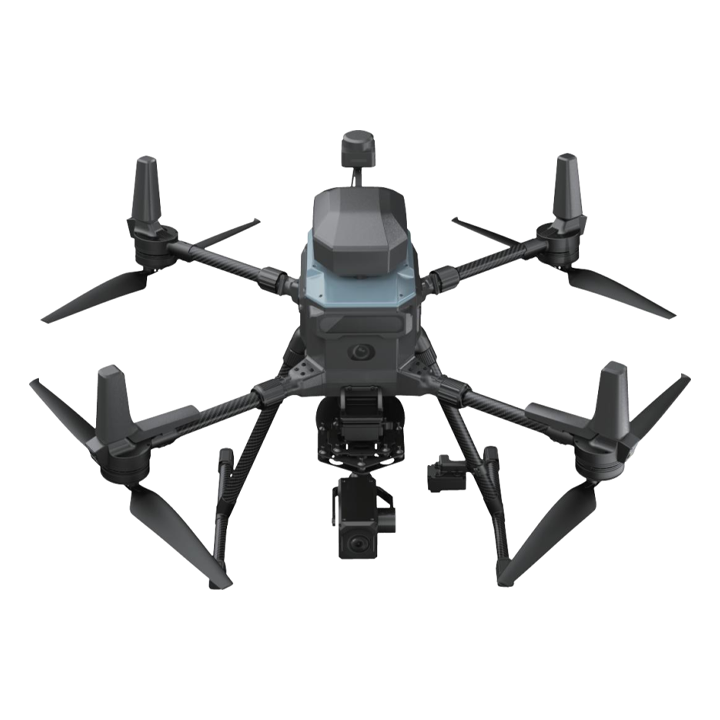
ChinaMoneypro UAV is a national-level high-tech enterprise with origins in a leading state-owned research institute. Built on decades of defense-grade engineering, the company is distinguished as one of the few providers capable of delivering full-stack UAV ecosystem solutions. This positions ChinaMoneypro as a technological leader within the expanding world of UAV applications.
Who Is ChinaMoneypro UAV?
Headquartered in one of China’s foremost innovation hubs, ChinaMoneypro specializes in the R&D and manufacturing of advanced unmanned aerial systems and integrated sensing-communication platforms. Their technological breadth spans engines, gimbals, radars, communication modules, and complete unmanned aircraft systems.
Product Portfolio
Core Strengths
- Defense-grade R&D heritage
- Integrated full-stack UAV ecosystem
- Advanced propulsion and gimbal systems
- High-reliability communication and sensing modules
- Precision manufacturing capabilities
- Customizable UAV platforms for agriculture and military needs
Because of its engineering depth and complete supply chain capabilities, ChinaMoneypro stands as a top contender in the global landscape of UAV applications.
7. Frequently Asked Questions — UAV Applications
1. What industries use UAVs the most?
Agriculture, military, construction, logistics, mining, and environmental monitoring are the top adopters of UAV technology.
2. How do UAV applications benefit agriculture?
They improve crop yield, reduce pesticide waste, optimize irrigation, and enable rapid field monitoring.
3. What makes UAV applications so important in the military?
UAVs offer critical intelligence, reconnaissance, communication support, and tactical operational advantages.
4. What is the difference between multi-rotor and single-rotor UAVs?
Multi-rotor UAVs provide stability and ease of control, while single-rotor UAVs offer longer flight endurance and heavier payload capacity.
5. Are UAVs autonomous?
Yes. Many UAV platforms feature semi-autonomous or fully autonomous flight modes enabled by GPS and onboard AI.
6. What is FPV in UAV applications?
FPV (First Person View) systems allow operators to view real-time video feeds from the UAV, improving navigation and precision.
8. References