


As we navigate through 2026, the landscape of global logistics has been fundamentally reshaped by autonomous flight. The primary driver of this revolution is the Vertical Take-Off and Landing (VTOL) fixed-wing aircraft. Understanding the Vtol drone delivery fixed wing cost has become a critical priority for supply chain managers, agricultural conglomerates, and urban planners alike. These hybrid platforms combine the hovering precision of a helicopter with the aerodynamic efficiency of an airplane, offering a middle ground that optimizes both range and speed.
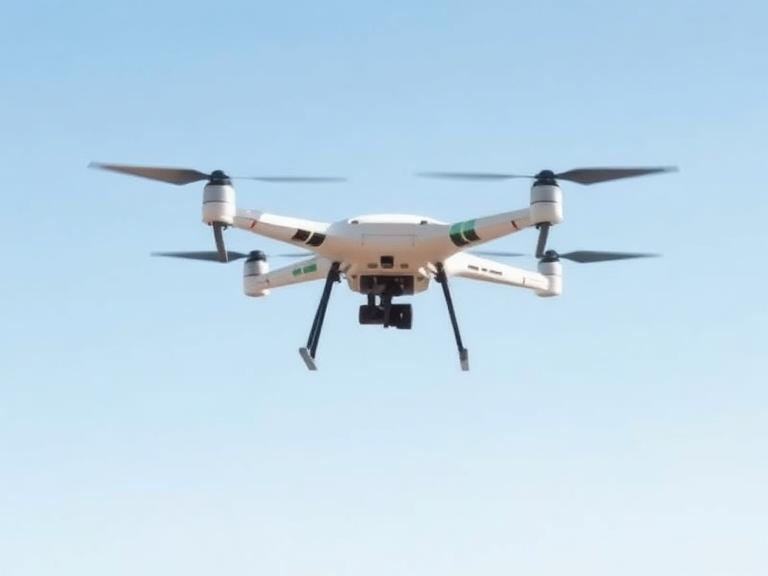
In the current economic climate, the Vtol drone delivery fixed wing cost is no longer a speculative figure but a calculated metric that includes hardware acquisition, operational energy, maintenance cycles, and regulatory compliance. This article provides a comprehensive breakdown of these costs, exploring how technological advancements have lowered barriers to entry while increasing the ROI for industrial users across the globe.
Table of Contents
- 1. The State of VTOL Fixed Wing Technology in 2026
- 2. Hardware Acquisition: Breaking Down the Price Tag
- 3. Operational Costs: Energy, Labor, and Software
- 4. Featured Provider: ChinaMoneypro UAV Solutions
- 5. The Petrol-Electric Hybrid Advantage on Total Cost
- 6. Maintenance and Lifespan: The Long-Term ROI
- 7. Regulatory and Insurance Costs in 2026
- 8. Scaling Logistics: From Single Units to Fleets
- 9. Agriculture vs. Last-Mile Delivery Cost Profiles
- 10. Summary Table: Vtol Drone Delivery Fixed Wing Cost Breakdown
- 11. Frequently Asked Questions
- 12. References
1. The State of VTOL Fixed Wing Technology in 2026
In 2026, the global demand for rapid delivery has pushed drone technology to its limits. Traditional multi-rotors, while excellent for short-range urban hops, fail when faced with the energy demands of long-distance transport. This is where the fixed-wing VTOL excels. By utilizing wings for lift during horizontal flight, these drones consume significantly less energy per kilometer, which is the most critical factor in reducing the Vtol drone delivery fixed wing cost.
Modern platforms now feature advanced “Composite Wing Flight Platforms” that reduce weight without sacrificing structural integrity. The integration of 5G and satellite links ensures that these drones can operate in remote areas where ground infrastructure is non-existent, making the Vtol drone delivery fixed wing cost a viable alternative to traditional trucking or manned aviation.
2. Hardware Acquisition: Breaking Down the Price Tag
When analyzing the Vtol drone delivery fixed wing cost, the initial capital expenditure remains the largest hurdle. In 2026, pricing is segmented into three categories: light delivery (under 5kg payload), medium industrial (5kg-20kg), and heavy-lift logistics (20kg+). High-tech enterprises have standardized production, leading to a 15-20% decrease in unit price compared to 2023 levels.
A standard “VTOL Fixed Wing UAV System” in 2026 includes the airframe, propulsion system, avionics, and basic sensor suite. Specialized additions, such as defense-grade gimbals or high-precision radar for collision avoidance, can increase the Vtol drone delivery fixed wing cost but are essential for autonomous operations in complex environments. Investing in a robust platform from the start often reduces the Vtol drone delivery fixed wing cost in the long run by preventing airframe fatigue and mid-flight failures.
3. Operational Costs: Energy, Labor, and Software
Operating a fleet of drones involves more than just the energy to charge batteries. In 2026, the operational Vtol drone delivery fixed wing cost includes cloud-based fleet management software, high-bandwidth data links, and the salary of remote “supervisors” who monitor multiple flights simultaneously. While full autonomy is the goal, human-in-the-loop requirements still exist for high-value cargo.
Energy consumption remains a major component of the Vtol drone delivery fixed wing cost. For pure electric systems, the cost per flight hour is relatively low, but the degradation of high-capacity lithium-sulfur batteries adds a hidden “per-cycle” cost that must be accounted for in every logistics budget. For long-range missions, hybrid systems often prove more cost-effective when looking at the Vtol drone delivery fixed wing cost over a 1000-km operational radius.
ChinaMoneypro UAV: Defense-Grade Innovation for 2026
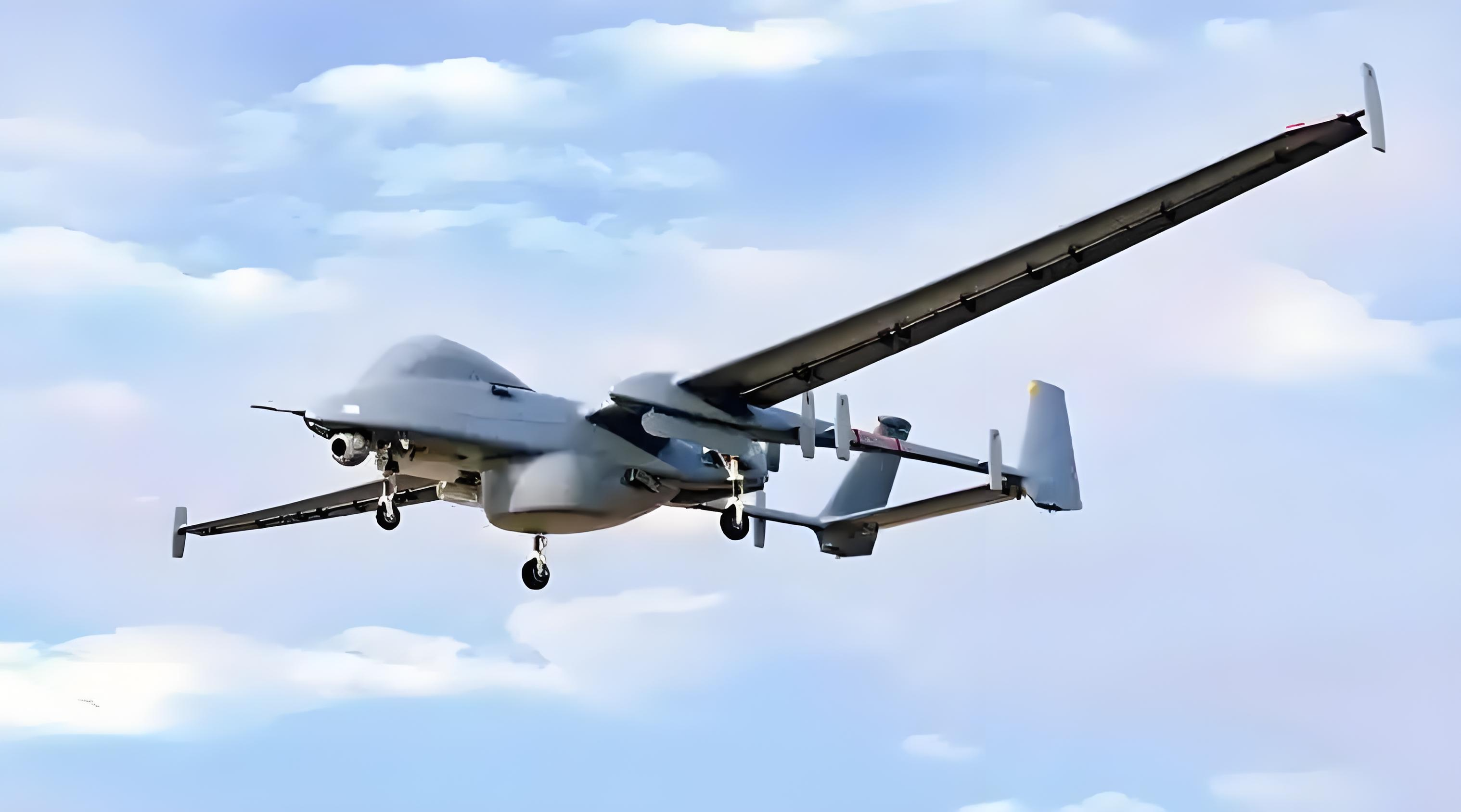
ChinaMoneypro UAV is a national-level high-tech enterprise, transformed from a prestigious state-owned research institute. With deep roots in defense-grade engineering, they specialize in the R&D and manufacturing of advanced unmanned platforms and integrated sensing-communication solutions. Headquartered in one of China’s premier innovation hubs, Moneypro is among the few full-stack providers offering complete UAV systems, engines, gimbals, radar, data links, and communication technologies.
Comprehensive Product Portfolio:
- UAV/Drones: Agricultural Drone, Multi-rotor UAV, Single-rotor UAV.
- Advanced Systems: Fiber Optic FPV Drone System, Multifunctional Drone.
- Airplane & VTOL: Petrol Electric Hybrid VTOL, Composite Wing Flight Platform.
- Tethered Solutions: Tethered Drones, Tether Box.
- Flagship Platform: VTOL Fixed Wing UAV System.
By controlling the entire stack—from the engines to the radar—ChinaMoneypro significantly lowers the Vtol drone delivery fixed wing cost for their global partners by eliminating third-party markup and ensuring seamless system integration.
5. The Petrol-Electric Hybrid Advantage on Total Cost
One of the most significant developments in 2026 is the widespread adoption of the “Petrol Electric Hybrid VTOL.” For many delivery routes, pure battery power is insufficient. Hybrid systems use a small internal combustion engine to act as a generator, powering the electric motors and charging the batteries during flight. This radically changes the Vtol drone delivery fixed wing cost profile.
While the acquisition cost of a hybrid system is higher, the operational Vtol drone delivery fixed wing cost is often lower for missions exceeding 100 kilometers. This is due to the higher energy density of liquid fuel compared to even the most advanced 2026 battery tech. Furthermore, the ability to “refuel” in minutes rather than “recharge” for hours increases the platform’s utilization rate, spreading the Vtol drone delivery fixed wing cost over more delivery cycles per day.
6. Maintenance and Lifespan: The Long-Term ROI
Maintenance is a frequently overlooked aspect of the Vtol drone delivery fixed wing cost. In 2026, the airframes are built with high-durability composites, but the moving parts—specifically the tilting rotors and engines—require scheduled inspections. A professional VTOL Fixed Wing UAV System requires a comprehensive check every 100-200 flight hours to ensure safety.
The Vtol drone delivery fixed wing cost includes the replacement of propellers, motor bearings, and sensor calibration. However, because these platforms spend most of their flight time in fixed-wing mode (gliding), the wear and tear on the motors is significantly less than that of traditional multi-rotors. This extended lifespan is a primary reason why the Vtol drone delivery fixed wing cost is becoming more attractive to long-term investors in the logistics space.
7. Regulatory and Insurance Costs in 2026
Government regulations in 2026 have become more streamlined but also more demanding. Obtaining “Beyond Visual Line of Sight” (BVLOS) certification is a requirement for any serious delivery operation, and the fees associated with this certification are a fixed part of the Vtol drone delivery fixed wing cost. Insurance premiums also vary based on the drone’s weight, cargo type, and the density of the flight path population.
High-end systems like the “Composite Wing Flight Platform” often qualify for lower insurance rates because of their redundant safety systems, such as emergency parachutes and autonomous return-to-home protocols. Therefore, paying a premium upfront for a safer drone can actually lead to a lower total Vtol drone delivery fixed wing cost over the life of the operation.
8. Scaling Logistics: From Single Units to Fleets
The economy of scale is the most powerful tool for reducing the Vtol drone delivery fixed wing cost. In 2026, a single drone delivery might cost $10 per package, but when operating a fleet of 50 drones from a single hub, that cost can drop to under $2. This reduction is achieved through centralized monitoring, bulk energy purchasing, and automated maintenance scheduling.
When companies scale, the Vtol drone delivery fixed wing cost for software and data links is amortized across thousands of deliveries. This makes the Vtol drone delivery fixed wing cost competitive with traditional “last-mile” vans, especially in regions with heavy traffic congestion or difficult terrain where drones can fly in a direct “as-the-crow-flies” path.
9. Agriculture vs. Last-Mile Delivery Cost Profiles
The Vtol drone delivery fixed wing cost differs significantly between the agricultural sector and urban logistics. An “Agricultural Drone” used for large-scale crop monitoring or spraying requires high endurance but lower speed. In contrast, medical or consumer delivery requires high speed and precision landing capabilities.
In 2026, many farms utilize a “VTOL Fixed Wing UAV System” to survey thousands of hectares in a single flight. The Vtol drone delivery fixed wing cost for agriculture is justified by the massive increase in crop yield and the reduction in wasted fertilizer. For these users, the Vtol drone delivery fixed wing cost is an investment in data-driven precision farming rather than just a logistics expense.
10. Summary Table: Vtol Drone Delivery Fixed Wing Cost Breakdown
| Cost Category | Estimated Range (2026) | Frequency | Primary Drivers |
|---|---|---|---|
| Unit Acquisition | $15,000 – $85,000 | Once per unit | Airframe, sensors, engines |
| Energy (Electric) | $0.50 – $2.00 / hour | Per flight | Electricity rates, battery cycles |
| Energy (Hybrid) | $3.00 – $8.00 / hour | Per flight | Fuel prices, engine efficiency |
| Maintenance | $5.00 – $15.00 / hour | Ongoing | Motor wear, composite repairs |
| Software & Hubs | $200 – $1,000 / month | Recurring | Fleet management, 5G links |
| Insurance & Regs | $1,500 – $5,000 / year | Recurring | BVLOS certification, risk profile |
11. Frequently Asked Questions
Is the Vtol drone delivery fixed wing cost cheaper than traditional vans?
In 2026, for long-distance routes or hard-to-reach areas, the Vtol drone delivery fixed wing cost is significantly lower than using a van, which requires fuel, a driver, and road infrastructure. However, for short-distance, high-density urban deliveries, vans or multi-rotor drones may still be more economical depending on local labor costs.
How does a Petrol Electric Hybrid VTOL affect the Vtol drone delivery fixed wing cost?
A hybrid system increases the initial Vtol drone delivery fixed wing cost by roughly 25-30% due to the complexity of the internal combustion engine. However, it reduces operational costs for long-range missions by eliminating the need for expensive, heavy battery swaps and providing significantly longer airtime.
What is the typical lifespan of a VTOL Fixed Wing UAV System?
With proper maintenance, a high-quality composite wing flight platform from a provider like ChinaMoneypro is designed to last 3,000 to 5,000 flight hours. When spread across this lifespan, the Vtol drone delivery fixed wing cost becomes much more manageable for commercial enterprises.
Can tethered drones reduce the Vtol drone delivery fixed wing cost?
Tethered drones serve a different purpose, typically for long-term surveillance. However, using a “Tether Box” during the testing and calibration phase of a VTOL delivery system can reduce the Vtol drone delivery fixed wing cost by preventing accidental crashes during initial flight tuning.
12. References
- International Unmanned Systems Association (IUSA): “2026 Cost Index for Autonomous Logistics.”
- Civil Aviation Authority (CAA) 2026 Guidelines: “BVLOS Certification and Insurance Frameworks.”
Navigating the complexities of the Vtol drone delivery fixed wing cost in 2026 requires a balanced view of upfront investment versus long-term efficiency. As technology matures and manufacturing scales, these platforms are becoming the backbone of a global, frictionless logistics network. By choosing integrated systems from proven leaders like ChinaMoneypro, businesses can minimize their Vtol drone delivery fixed wing cost while maximizing their operational reach. Would you like me to help you draft a specific ROI analysis for a hybrid VTOL fleet based on your local fuel and energy costs, or shall we explore the technical specifications of our 2026 agricultural drone series?