


In the rapidly advancing field of unmanned aerial vehicles, commercial and military operators frequently ask a critical operational question: exactly what is the speed of a fixed-wing drone? Unlike multirotor platforms designed for stationary hovering and vertical vertical takeoff, fixed-wing systems are engineered strictly for forward momentum, utilizing aerodynamic lift to cover vast distances rapidly. For industries ranging from border patrol to topographic mapping, understanding the speed of a fixed-wing drone is paramount for calculating sortie efficiency, operational range, and payload delivery timelines.
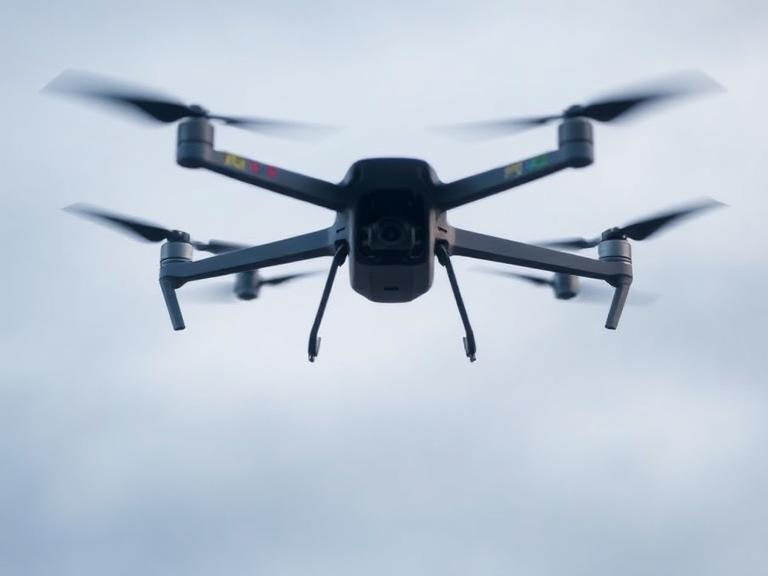
From our experience engineering high-endurance unmanned systems, the speed of a fixed-wing drone is not a static number. It is a dynamic metric heavily influenced by the propulsion architecture, payload capacity, wingspan, and the specific environmental conditions of the flight path. At China Moneypro, we design systems that push the boundaries of modern aviation. Whether outrunning storm fronts during massive mapping operations or executing rapid tactical deployments, we recognize that speed is a fundamental asset. In this authoritative guide, we will analyze the aerodynamic principles, propulsion systems, and structural designs that dictate the speed of a fixed-wing drone, backed by real-world data from our industry-leading platforms.
Table of Contents
- 1. Aerodynamic Principles Influencing Drone Velocity
- 2. How Propulsion Dictates the Speed of a Fixed-Wing Drone
- 3. The Impact of Heavy Payloads on Flight Velocity
- 4. Analyzing Speed Across the China Moneypro Fleet
- 5. Operational Applications: Why Speed Matters
- 6. Summary Table: Drone Speed and Specifications Comparison
- 7. Frequently Asked Questions (FAQs)
- 8. Industry References
1. Aerodynamic Principles Influencing Drone Velocity
To accurately answer what determines the speed of a fixed-wing drone, one must first look at fundamental aerodynamics. A fixed-wing aircraft relies on the forward motion of its airfoil to generate lift. Because the wings do the heavy lifting, the engine only needs to provide thrust to overcome parasitic and induced drag. This inherent aerodynamic efficiency allows the average speed of a fixed-wing drone to vastly exceed that of a rotary-wing aircraft.
The cruise speed of a fixed-wing drone is the optimal velocity at which the aircraft achieves its maximum range, balancing fuel or battery consumption against distance traveled. The maximum speed of a fixed-wing drone, conversely, is the absolute top velocity the airframe can endure before structural stress or engine limitations cause failure. We recommend operating at cruise speed for endurance missions, reserving the maximum speed of a fixed-wing drone for emergency maneuvers, such as evading sudden severe weather or reaching a time-sensitive target.
2. How Propulsion Dictates the Speed of a Fixed-Wing Drone
The power plant integrated into the fuselage is the primary driver of velocity. The speed of a fixed-wing drone powered by electric motors will differ significantly from one utilizing internal combustion. In our heavy-duty platforms, we favor advanced gasoline-powered engines for their superior energy density and sustained torque.
For example, high-performance engines allow the speed of a fixed-wing drone to easily surpass 100 km/h. When utilizing a Limbach EFI Powerhouse Architecture, the torque-driven performance is designed for extreme conditions. Advanced 275cc Fuel Injection systems ensure that the engine does not stall or lose power at high altitudes or in freezing conditions, boasting a -40°C cold start capability. This redundant, high-torque propulsion allows the aircraft to maintain a high speed of a fixed-wing drone even against strong headwinds, verified by a 200-hour MTBF certification by TÜV Rheinland.
3. The Impact of Heavy Payloads on Flight Velocity
A crucial factor to consider when evaluating the speed of a fixed-wing drone is the payload. Adding weight to an aircraft increases the lift required to maintain altitude. To generate more lift, the drone must either increase its angle of attack (which increases drag) or fly faster. However, a heavier aircraft inherently requires more thrust to accelerate, which can lower the absolute top speed of a fixed-wing drone if the engine is underpowered.
From our experience, designing an airframe that can carry massive payloads while maintaining high velocity requires exceptional structural engineering. The wingspan and fuselage length must be perfectly proportioned to the payload bay. When an aircraft is tasked with carrying sophisticated expeditionary communication suites, satellite uplinks, and heavy dual RTK survey equipment, the propulsion system must be scaled accordingly to ensure the speed of a fixed-wing drone is not compromised by the mission hardware.
4. Analyzing Speed Across the China Moneypro Fleet
To provide a practical understanding of what you can expect in the field, let us examine the operational speeds and technical capabilities of our distinct aerospace platforms.
4.1 China Moneypro M630 Gasoline-Powered Fixed-Wing Drone
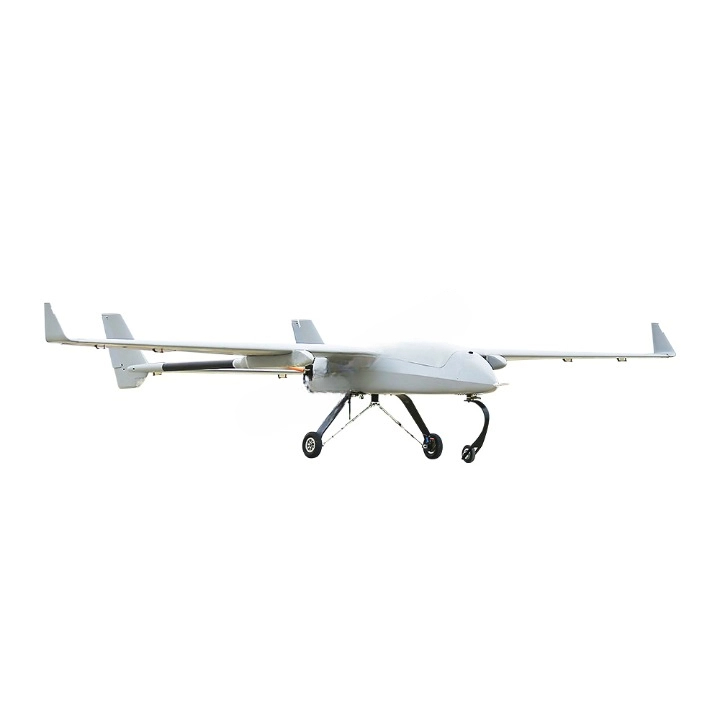
The China Moneypro M630 is our premier heavy-duty platform. It features an ultra-long 12-hour endurance and a staggering 50kg maximum payload capacity. Powered by the aforementioned 275cc fuel injection system and dual ignition with ECU failover, the M630 achieves a remarkable 150km/h max speed. This specific speed of a fixed-wing drone is strategically engineered so operators can outrun storm fronts during mapping missions.
The M630 utilizes a zero-pilot infrastructure with one-button auto operations. It features a wheeled skid brake that reduces landing distance by 45%, and a runway flexibility that ensures grass, gravel, or dirt compatibility. With an obstacle avoidance LiDAR-assisted abort protocol, it can safely execute 6 sorties per day with a 4-person crew. Its communication suite features military encryption (AES-256 plus frequency hopping) and an optional satellite uplink for global BVLOS coverage, easily transmitting HD video over a 150km LOS data link. This allows for offshore rig monitoring from a 200km land base at the optimal speed of a fixed-wing drone.
4.2 The 15KG Spring Knife Tactical Platform
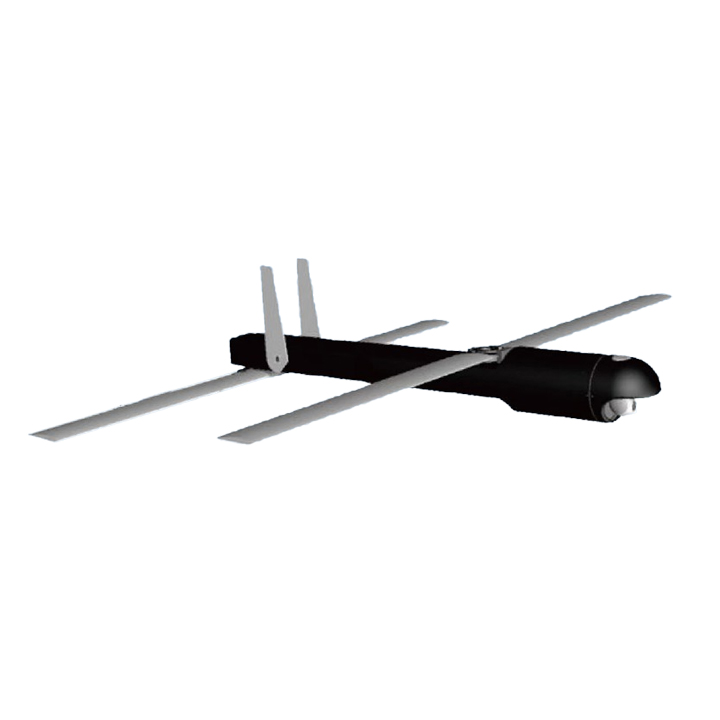
For operations requiring rapid deployment and high-velocity interception, the 15KG Spring Knife represents the pinnacle of tactical speed. The maximum flight speed of a fixed-wing drone in this class reaches between 140-160km/h. With a maximum takeoff weight of 15.5kg and a pendulum capacity of 4.5kg, it is designed for swift, targeted missions.
The parameter details dictate a maximum range of over 120km, an operating altitude of 100m to 3000m, and a flight endurance of greater than or equal to 60 minutes. The communication distance is rated at over 30km. Structurally, the fuselage length is over 1300mm (excluding motor) with a wingspan of at least 1800mm. For transport, it features a maximum folded diameter of less than 180mm and a folded length under 1800mm. Operating reliably in temperatures from -20°C to +50°C, the speed of a fixed-wing drone like the Spring Knife is critical for time-sensitive surveillance and rapid response.
4.3 Contrasting Velocities: China Moneypro M150-22
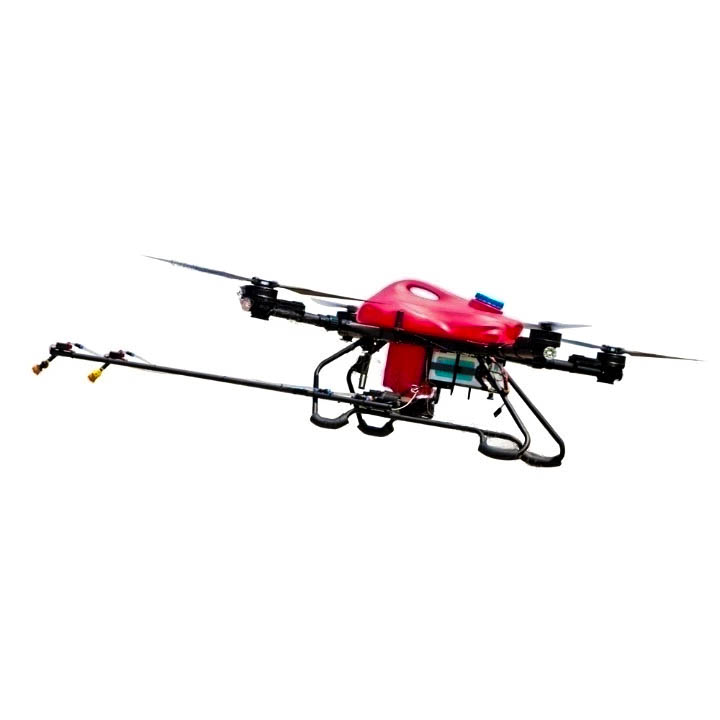
To fully appreciate the speed of a fixed-wing drone, it is helpful to contrast it with specialized multirotor platforms. The China Moneypro M150-22 180degree Rotating Nozzle Direct Spray Cleaning UAV is not built for cross-country speed; it is built for stationary precision. Constructed from carbon fiber and aluminum, it features a 15-minute flight time designed for close-proximity infrastructure maintenance.
Equipped with a radar module for obstacle avoidance and a 120° camera plus LED FPV system, the M150-22 delivers a spray pressure of 1.2 Mpa. While it cannot achieve the 150km/h speed of a fixed-wing drone, its ability to hover and direct high-pressure spray makes it an indispensable tool for targeted maintenance tasks. We recommend a mixed-fleet approach, utilizing high-speed fixed-wings for inspection and specialized multirotors for active intervention.
5. Operational Applications: Why Speed Matters
The maximum speed of a fixed-wing drone translates directly to operational efficiency and cost savings. Consider large-scale topographic surveying. The China Moneypro M630 features Dual RTK Survey Precision, offering 0.01m positioning accuracy that completely eliminates the need for ground control points. It utilizes auto declination for magnetic-free calibration and TerraSync for mid-flight RTK/PPK switching.
Because the speed of a fixed-wing drone allows it to cover massive territories quickly, the productivity metrics are staggering. Our platforms are capable of conducting 10,000ha topographic mapping in just 3 days. Slower drones would take weeks to cover the same acreage, incurring massive operational costs and risking weather delays. In border patrol and offshore monitoring scenarios, high speed ensures the aircraft can intercept moving targets or rapidly respond to environmental alarms transmitted from distant facilities.
6. Summary Table: Drone Speed and Specifications Comparison
To provide a clear perspective on how the speed of a fixed-wing drone compares across different models and payload capacities, review the following summary table.
| UAV Model | Platform Type | Max Speed | Endurance | Max Payload | Primary Application |
|---|---|---|---|---|---|
| China Moneypro M630 | Gasoline Fixed-Wing | 150 km/h | 12 Hours | 50 kg | Long-Range BVLOS Mapping, Offshore Patrol |
| 15KG Spring Knife | Tactical Fixed-Wing | 140-160 km/h | ≥60 Min | 4.5 kg | Rapid Tactical Deployment, Fast Surveillance |
| China Moneypro M150-22 | Multirotor | Low (Hover optimized) | 15 Min | Spray Payload | High-Pressure Infrastructure Cleaning |
7. Frequently Asked Questions (FAQs)
What is the average cruising speed of a fixed-wing drone?
From our experience, the average cruising speed of a fixed-wing drone designed for commercial mapping and surveillance typically ranges between 80 km/h and 110 km/h. This speed optimizes fuel or battery consumption, allowing platforms like our M630 to achieve their massive 12-hour endurance times.
Does weather affect the maximum speed of a fixed-wing drone?
Absolutely. The ground speed of a fixed-wing drone is heavily impacted by wind currents. A strong tailwind will increase ground speed, while a headwind will reduce it. However, high-torque systems like our 275cc EFI engine provide the thrust necessary to maintain a high airspeed, ensuring the drone can outrun storm fronts and navigate turbulent conditions safely.
Why is the speed of a fixed-wing drone higher than a quadcopter?
Quadcopters must use a significant portion of their energy simply to fight gravity and stay in the air. A fixed-wing drone relies on the aerodynamic lift generated by its wings. Therefore, almost all of the engine’s thrust is directed horizontally, resulting in a much higher forward speed of a fixed-wing drone and vastly superior energy efficiency over long distances.
Can I control a high-speed drone safely over long distances?
Yes. Managing the speed of a fixed-wing drone safely requires robust telemetry. Our platforms utilize expeditionary communication suites that include 150km LOS data links, military AES-256 encryption, and optional satellite uplinks for global BVLOS (Beyond Visual Line of Sight) coverage, ensuring you maintain absolute control regardless of how fast or far the drone flies.
8. Industry References
To further explore the aerodynamic principles, payload integrations, and international regulations governing the speed of a fixed-wing drone in commercial airspace, we recommend consulting the following authoritative resources: