


Understanding which aircraft have VTOL is essential for anyone exploring the evolution of modern aviation. VTOL aircraft — or Vertical Take-Off and Landing aircraft — can lift off, hover, and land vertically without requiring a runway. Because this flight style offers flexibility in urban mobility, emergency rescue, logistics, and unmanned flight, the question “Which aircraft have VTOL?” has become increasingly important in 2025.
In this comprehensive guide, we explore different categories of VTOL aircraft, how they work, which models are the most well-known, and how new UAV technologies play a role in the growing market. Whether you’re a professional in aviation, a drone operator, or simply fascinated by vertical flight, this article explains everything in clear, non-technical, and accessible terms.
Table of Contents
What Is VTOL?
Before listing which aircraft have VTOL, it is important to define the concept. VTOL (Vertical Take-Off and Landing) describes an aircraft capable of lifting off vertically, hovering, and landing vertically. Any aircraft that can achieve this without needing a runway falls into this category.
While helicopters are the most familiar VTOL aircraft, they are not the only ones. Modern aviation now includes tilt-rotor aircraft, vectored thrust aircraft, and a new generation of electric VTOL vehicles, often called eVTOL.
Types of Aircraft That Have VTOL
The aviation world contains several categories of aircraft that have VTOL capabilities. Below we explore the most common and widely recognized types.
1. Helicopters
The most universal example of aircraft that have VTOL are helicopters. Their main rotor creates lift, allowing them to rise vertically, hover, and maneuver in tight spaces. Helicopters are used in:
- Emergency medical services
- Search and rescue
- News broadcasting
- Offshore transportation
- Infrastructure inspection
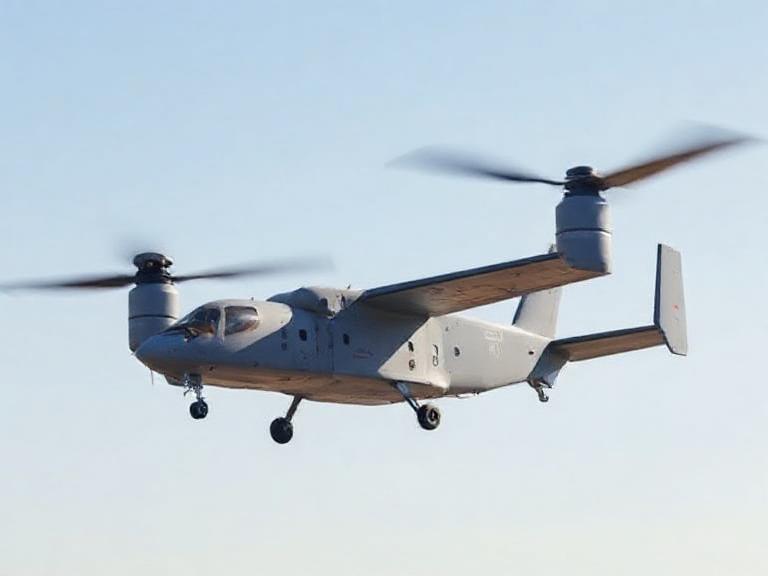
2. Tilt-Rotor Aircraft
Tilt-rotor designs feature rotors that shift between vertical and horizontal positions, enabling both vertical take-off and airplane-style forward flight. These aircraft demonstrate how aviation technology merges helicopter-like lift with the speed and efficiency of fixed-wing aircraft.
3. Tilt-Wing Aircraft
Instead of rotating only their propellers, tilt-wing aircraft tilt their entire wing structure. This design ensures that more airflow is directed downward during take-off, improving lift efficiency.
4. Vectored Thrust Aircraft
Vectored thrust systems redirect engine thrust downward during takeoff and transition it horizontally during flight. This unique propulsion method allows vertical lift without a runway.
5. eVTOL (Electric Vertical Take-Off and Landing) Aircraft
One of the fastest-growing categories, eVTOL aircraft are electric-powered flying vehicles designed for urban mobility. They are quieter, lighter, and more energy-efficient than traditional helicopters, making them ideal for short-range city transportation, air taxis, and emergency response.
6. VTOL Drones and UAVs
Drones are among the most widespread examples of aircraft that have VTOL. Many modern UAVs use multi-rotor or fixed wing hybrid vtol to enable vertical takeoff, efficient forward flight, and precision landing. Their applications span agriculture, logistics, surveying, photography, mapping, and inspection.
Examples of Well-Known VTOL Aircraft
When discussing which aircraft have VTOL, several civilian and non-sensitive aviation models stand out. Below are recognized examples from different categories.
1. Civilian Helicopters
- Airbus H125
- Bell 407
- Robinson R44
- Sikorsky S-76 (corporate transport)
2. Tilt-Rotor Aircraft (General Overview)
Tilt-rotor aircraft combine rotor-driven lift with efficient forward flight. They demonstrate how VTOL technology can expand operational flexibility. In civilian contexts, tilt-rotor systems are often discussed in engineering, training, and transportation studies.
3. eVTOL Prototypes (Urban Air Mobility)
The aviation industry has shifted heavily toward electric VTOL innovations. Popular industry prototypes include:
- Joby Aviation eVTOL
- Lilium Jet
- EHang 216
- Archer Midnight
4. VTOL UAVs and Hybrid Drones
Drones capable of VTOL include:
- Quadcopter UAVs
- Hexacopter aerial platforms
- Hybrid fixed-wing VTOL drones
These systems excel in mapping, agriculture, inspection, monitoring, and commercial operations where runway-free takeoff is essential.
Modern eVTOL and the Future of Urban Air Mobility
A key aspect of understanding which aircraft have VTOL today is exploring the eVTOL revolution. Electric vertical mobility is shaping future transportation by expanding personal air travel, decreasing noise, enhancing energy efficiency, and supporting zero-emission goals.
Why eVTOL Matters
- Lower noise levels than helicopters
- Electric or hybrid-electric propulsion
- Ideal for congested cities
- Reduced operational costs
- Improved sustainability
VTOL UAVs: How Drones Use Vertical Lift Technology
VTOL UAVs are among the most common examples of aircraft that have VTOL. Their design allows them to take off vertically, transition to fixed-wing forward motion, and land in tight areas. This combination gives them excellent endurance and flexibility.
Industries using VTOL UAV systems include:
- Agriculture (spraying, mapping)
- Logistics and parcel delivery
- Land surveying and GIS
- Infrastructure inspection
- Environmental monitoring
VTOL Aircraft Summary Table
| Category | Description | Examples |
|---|---|---|
| Helicopters | Rotor-based vertical takeoff and hover | Airbus H125, Bell 407 |
| Tilt-Rotor | Rotors tilt from vertical to horizontal flight | General tilt-rotor platforms |
| eVTOL | Electric vertical mobility vehicles | Joby, EHang, Lilium |
| Hybrid VTOL UAV | Fixed wing + multi-rotor systems | Commercial mapping drones |
Company Spotlight: ChinaMoneypro UAV

ChinaMoneypro UAV is a national-level high-tech enterprise originating from a respected research institute. The company specializes in building advanced unmanned systems and integrated sensing-communication platforms for **civilian, industrial, and commercial applications**.
What ChinaMoneypro UAV Offers
- UAV / Drones: reliable platforms for mapping, monitoring, logistics, and inspection
- Agricultural Drone: efficient spraying and precision farming tools
- Multi-rotor UAV: stable vertical lift for high-accuracy missions
- Single-rotor UAV: long-endurance operation for professional use
- Fiber Optic FPV Drone System: enhanced transmission for industrial remote operations
- Multifunctional Drone: modular and adaptable for varied industries
By integrating engineering expertise with next-generation sensor and data-link capabilities, ChinaMoneypro UAV provides robust, non-military drone solutions designed to support agriculture, infrastructure, environmental monitoring, and commercial operations worldwide.
Frequently Asked Questions
1. What does VTOL stand for?
VTOL means Vertical Take-Off and Landing — the ability to rise and descend vertically without needing a runway.
2. Which aircraft have VTOL as their primary design?
Helicopters, tilt-rotor aircraft, tilt-wing aircraft, vectored thrust aircraft, eVTOL vehicles, and many UAV drones are all examples of aircraft that have VTOL.
3. Are VTOL aircraft used commercially?
Yes. VTOL aircraft serve roles in emergency response, transportation, agriculture, surveying, cargo delivery, and urban air mobility.
4. Are eVTOL aircraft safe?
eVTOL aircraft undergo rigorous engineering and certification processes. Their electric propulsion reduces mechanical complexity, which can improve reliability.
5. Do all drones have VTOL?
Not all drones have VTOL, but many common types — especially multi-rotor and hybrid fixed-wing drones — do use VTOL systems.