


Choosing which is better, fixed-wing or multi-rotor UAV, is one of the most important decisions for professionals in mapping, agriculture, public safety, logistics, and industrial inspection. Both platforms offer unique advantages, and the ideal choice depends on mission requirements, budget, operational environment, and payload needs.
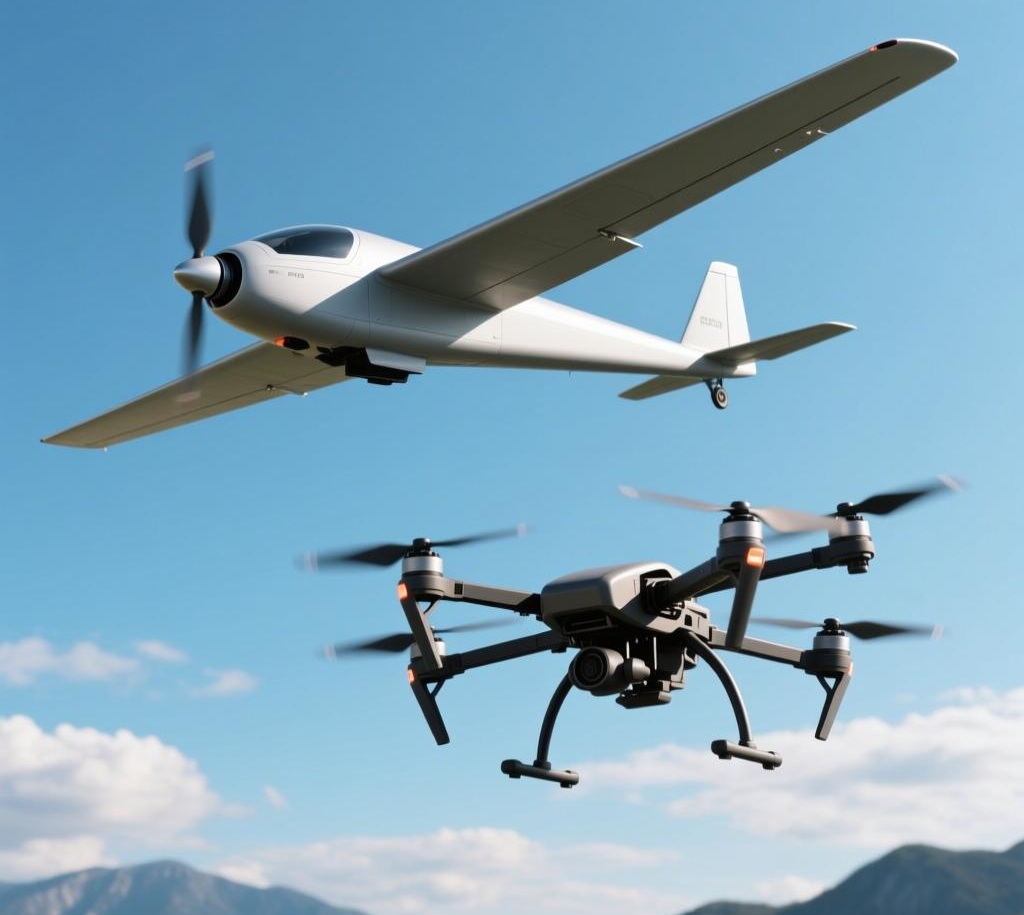
This comprehensive guide compares flight performance, endurance, cost, payload capacity, and real-world applications to help you determine the best UAV platform for your operations. It also includes expert insights from ChinaMoneypro UAV—a leading global provider of high-performance unmanned aerial systems.
Table of Contents
- Introduction: Understanding the UAV Landscape
- Fixed-Wing vs. Multi-Rotor: A Quick Overview
- Benefits of Fixed-Wing UAVs
- Benefits of Multi-Rotor UAVs
- Side-by-Side Comparison Table
- Best Use Cases for Each UAV Type
- How to Choose: Which Is Better for You?
- Company Spotlight: ChinaMoneypro UAV
- Frequently Asked Questions
- References
Introduction: Understanding the UAV Landscape
UAV technology has rapidly transformed key industries, enabling safer and more efficient operations. The central debate—which is better, fixed wing hybrid drone or multirotor drone?—has no one-size-fits-all answer. Instead, understanding the strengths and limitations of each platform allows users to select the right aircraft for mission-critical tasks.
Fixed-wing UAVs excel in long-distance, endurance-based operations, while multi-rotor UAVs dominate in precision hovering, maneuverability, and vertical takeoff and landing (VTOL) operations. This article breaks down the engineering differences and practical applications of both systems.
Fixed-Wing vs. Multi-Rotor: A Quick Overview
Before determining which is better, fixed-wing or multi-rotor UAV, it’s essential to understand how each system works:
What Is a Fixed-Wing UAV?
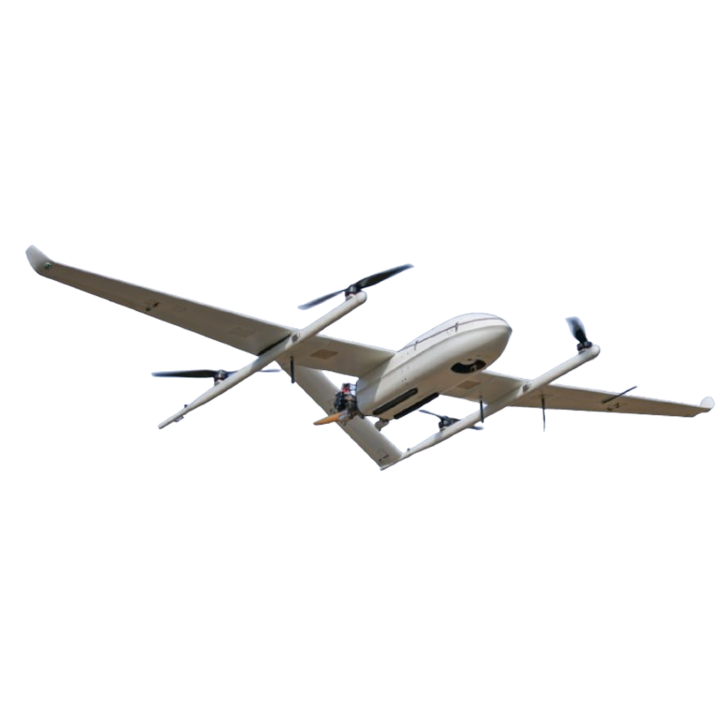
A fixed-wing UAV generates lift from its rigid wings, similar to an airplane. These drones typically require forward motion and takeoff/landing runways or a catapult launcher.
What Is a Multi-Rotor UAV?
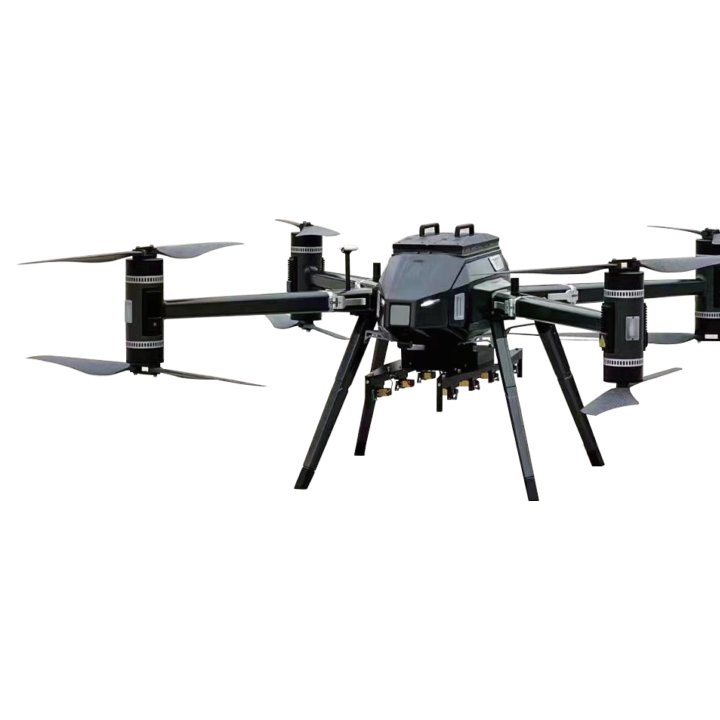
A multi-rotor UAV uses multiple propellers (usually 4, 6, or 8) to generate lift and maintain stability. They excel at hovering, precise positioning, and vertical takeoff and landing.
Both platforms are highly capable, but each suits different mission profiles.
Benefits of Fixed-Wing UAVs
When evaluating which is better, fixed-wing or multi-rotor UAV, fixed-wing platforms clearly lead in endurance and range. Their aerodynamic design enables efficient long-distance operations.
1. Superior Flight Endurance
Fixed-wing systems can stay airborne for several hours, making them ideal for large-area mapping, border patrol, and long-range reconnaissance.
2. Higher Speed & Range
They cover significantly more distance with less energy consumption, providing excellent performance for linear inspections (pipelines, powerlines, railways).
3. More Efficient Energy Use
The wing design reduces the need for constant rotor power, allowing fixed-wing UAVs to carry larger batteries or fuel engines.
4. Larger Payload Capacity
These drones support heavier sensing, communication, and surveillance modules.
5. Better for Harsh Environments
Fixed-wing designs handle windy and turbulent conditions more effectively than multi-rotor systems.
Benefits of Multi-Rotor UAVs
In the discussion of which is better, fixed-wing or multi-rotor UAV, multi-rotors typically win in accessibility, ease of use, and vertical flight performance.
1. VTOL Capability
No runway or launcher required—multi-rotors take off and land anywhere, making them ideal for urban and confined spaces.
2. Exceptional Hovering Accuracy
They can hold position with high precision, essential for inspections, spraying, photography, and rescue operations.
3. Easier to Operate
Multi-rotor UAVs are beginner-friendly and offer intuitive flight control with minimal experience.
4. Cost-Effective
Generally cheaper to manufacture and maintain compared to fixed-wing systems.
5. Highly Versatile Use Cases
Aerial photography, mapping, spraying, delivery, monitoring—multi-rotors handle a wide range of missions.
Side-by-Side Comparison Table
| Feature | Fixed-Wing UAV | Multi-Rotor UAV |
|---|---|---|
| Flight Endurance | ★★★★★ (Long) | ★★★☆☆ (Medium) |
| Range | ★★★★★ | ★★★☆☆ |
| Hovering Ability | ★☆☆☆☆ | ★★★★★ |
| VTOL Capability | Varies (Only VTOL Fixed-Wing) | ★★★★★ |
| Payload Capacity | ★★★★★ | ★★★☆☆ |
| Cost | Higher | Lower |
| Ease of Operation | Medium | Easy |
| Best for Large-Area Missions | Excellent | Fair |
| Best for Precision Work | Poor | Excellent |
Best Use Cases for Each UAV Type
Fixed-Wing UAV Applications
- Large-scale agricultural mapping
- Border and coastal surveillance
- Pipeline and railway inspection
- Environmental monitoring
- Long-endurance patrol missions
Multi-Rotor UAV Applications
- Industrial inspection (powerlines, telecom towers, solar farms)
- Precision agriculture spraying
- Aerial cinematography
- Search and rescue (SAR)
- Urban monitoring and traffic analysis
How to Choose: Which Is Better for You?
The answer to which is better, fixed-wing or multi-rotor UAV depends on three main factors:
1. Mission Objectives
Choose fixed-wing for large-area mapping and long-distance tasks; choose multi-rotor for close-range or vertical operations.
2. Operational Environment
Confined spaces favor multi-rotors; open fields favor fixed-wing aircraft.
3. Budget and Maintenance
Multi-rotors have lower entry costs; fixed-wing UAVs require more investment but offer superior performance for large-scale missions.
For organizations needing both long endurance and VTOL, a VTOL fixed-wing hybrid is often the ultimate solution.
Company Spotlight: ChinaMoneypro UAV
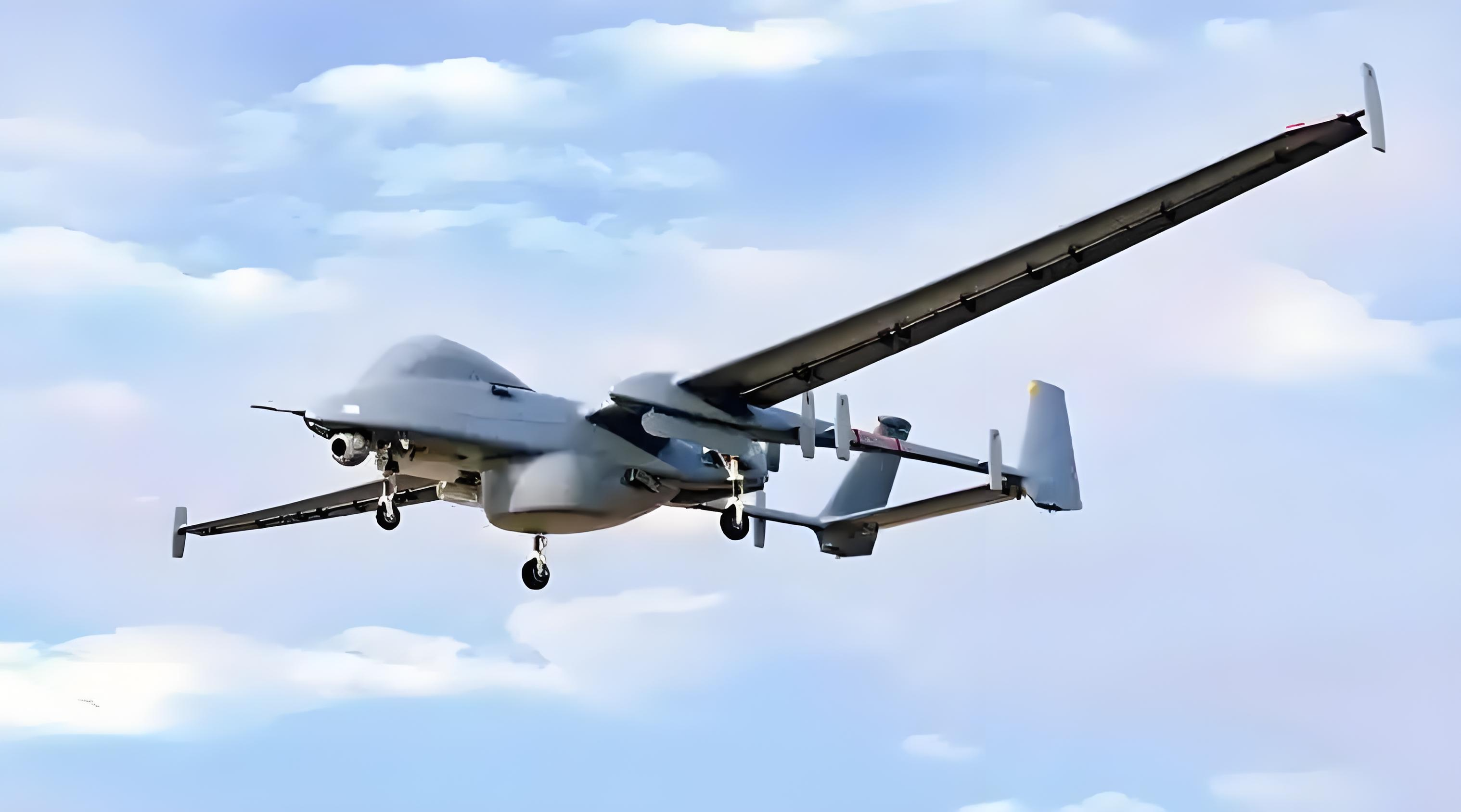
ChinaMoneypro UAV is a national-level high-tech enterprise originating from a prestigious state-owned research institute. With deep expertise in defense-grade engineering, the company specializes in advanced UAV platforms and integrated sensing-communication systems.
Located in one of China’s leading innovation hubs, ChinaMoneypro stands out as one of the few companies offering full-stack UAV solutions—including unmanned platforms, engines, gimbals, radar, data links, and communication technology.
Core Specializations
By combining state-owned technical heritage with modern R&D capabilities, ChinaMoneypro UAV delivers reliable, mission-ready unmanned solutions trusted worldwide.
Frequently Asked Questions
1. Which is better for beginners: fixed-wing or multi-rotor UAV?
Multi-rotor UAVs are more beginner-friendly due to easier controls and hovering capability.
2. Which UAV type is more durable?
Fixed-wing systems handle long missions and windy conditions better, while multi-rotors excel in stable, precise flight.
3. Are VTOL fixed-wing UAVs the best of both worlds?
Yes. VTOL fixed-wing drones combine endurance with vertical takeoff and landing—ideal for professional survey and defense applications.
4. Which is more cost-effective?
Multi-rotor UAVs are cheaper to buy and maintain, but fixed-wing UAVs offer lower cost per kilometer for large missions.
5. Does payload affect the choice?
Yes—fixed-wing UAVs support larger and heavier payloads, while multi-rotors excel with smaller, precision payloads.