


UAV Accessories
Showing 298–306 of 357 results
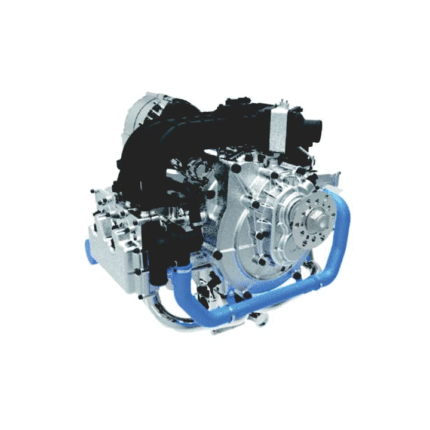
MB416 Heavy Fuel Engine(117/127kW)
The Moneypro MB416 heavy-fuel engine sets a new benchmark in its class, delivering 117/127kW for heavy-load UAVs, helicopters, and general aviation. It maintains full power up to 6,000m altitude, with an operational ceiling of 14,000m. Featuring an exceptional 2,000-hour TBO and superior power-to-weight ratio, this 4-cylinder engine ensures maximum endurance and reliability for the most demanding missions.

MB442 Heavy Fuel Engine (300/320kW)
The Moneypro MB442 represents the pinnacle of heavy-fuel propulsion, delivering 300/320kW for the most demanding aviation applications. This high-power engine maintains zero power loss at 6,000m and operates up to 12,000m. With an exceptional power-to-weight ratio, 1,000-hour TBO, and ultra-low fuel consumption, it sets the standard for heavy-load UAVs, light helicopters, and advanced aircraft requiring superior endurance and reliability.
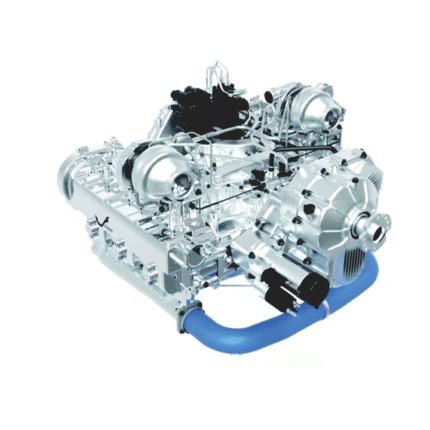
MB663 Heavy Fuel Engine (509kW)
As the flagship of the Moneypro engine family, the MB663 delivers an exceptional 509kW (682hp) for the most demanding heavy-load UAVs and light aircraft. This 6-cylinder powerhouse maintains full power up to 3,000m and achieves a remarkable specific fuel consumption of 218g/kW·h. With a robust 1,000-hour TBO and superior power-to-weight ratio, it sets the ultimate standard for high-power, long-endurance propulsion.

MB883 Heavy Fuel Engine (600kW)
As the pinnacle of Moneypro's engine series, the MB883 delivers an industry-leading 600kW (805hp) for the most demanding heavy-load UAVs and light aircraft. This 8-cylinder powerhouse maintains zero power attenuation at 4,000m altitude, with a maximum operational ceiling of 10,000m. Featuring an exceptional 2,000-hour TBO and superior fuel efficiency (220g/kW·h), it sets the ultimate benchmark for high-power, long-endurance propulsion systems in advanced aviation applications.
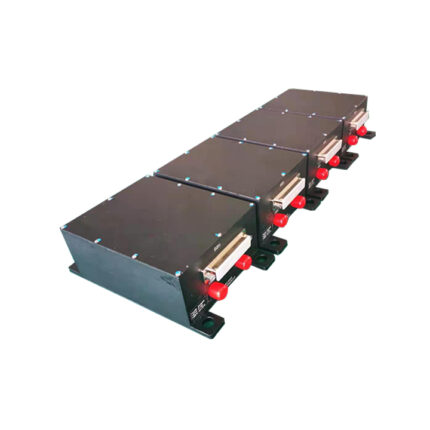
MDG-100 Radio Height Setting Device
The MDG-100 radio altimeter operates in the C-band and adopts a pulse Doppler working system. Its sensitive device is of the heterodyne type, and the circulator at the antenna terminal uses a transceiver common-mode design. With mature technology, this altimeter is installed on missiles and serves as a control component for altitude fuzes. It features capabilities such as high burst altitude, strong adaptability to high falling speeds, and excellent performance in resisting ground clutter and sea clutter. Additionally, it employs pseudo-random pulse modulation technology: the pulse period varies randomly within a specified range, making it difficult for jammers to identify the initial modulation pulse of the fuze signal and further predict the delayed pulse. This design effectively enhances the altimeter’s resistance to active interference.
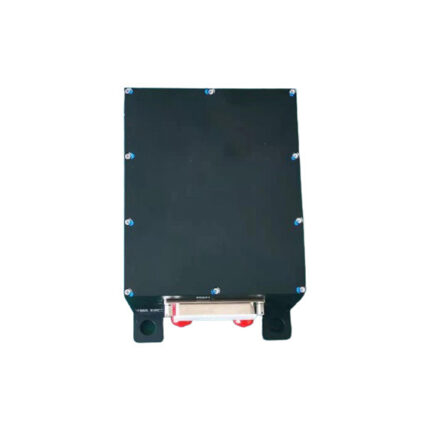
MDG-200 Radio Altimeter
The MDG-200 radio height-setting device operates in the C-band and adopts a monopulse working system. Its sensitive component is of the heterodyne type, and the circulator at the antenna terminal uses a transceiver common-mode configuration. Prior to missile launch, the height-setting device needs to be powered on; it then performs a self-check and completes height setting via the communication interface. After the missile is launched, the radio frequency (RF) module is activated, and a gate is set based on the preconfigured height. When the preset height is reached, the device outputs height-setting command information and telemetry data. The MDG-200 height-setting device features mature technology: the monopulse design enhances the altimeter’s height measurement performance, and the device also has the characteristic of not being affected by the carrier’s speed.
MDG-300 Radio Altimeter
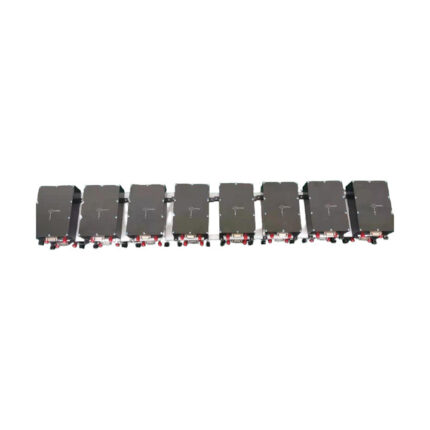
The MDG-300 radio height-fixing device operates in the C-band and adopts a pulse compression system. Its sensitive component is of the heterodyne type, and the circulator at the antenna terminal uses a transceiver common-mode design. Prior to missile launch, the height-fixing device is powered on, and it undergoes self-check and height presetting via the communication interface. After the missile is launched, the radio frequency (RF) module is activated, and a gate is set in accordance with the preset height. When the preset height is reached, the device outputs height-fixing command information and telemetry data. The MDG-300 height-fixing device features mature technology: its pulse compression technology can enhance the altimeter’s height measurement performance, and it has the characteristic of a wide height measurement range. Additionally, the digital pulse compression function based on FPGA (Field-Programmable Gate Array) endows it with advantages such as small size, low power consumption, and low cost.
MDG-400 Radio Altimeter
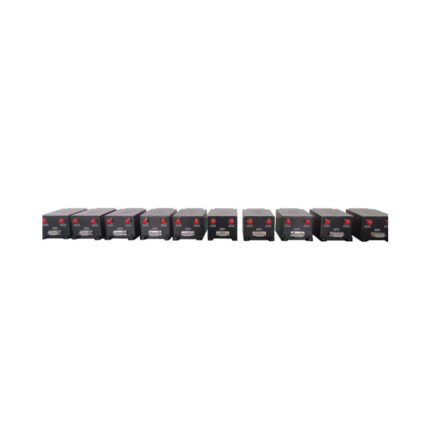
The MDG-400 radio altimeter operates in the C-band and adopts a frequency-modulated continuous wave (FMCW) working system, with its antenna utilizing a transmit-receive separation mode. Prior to missile launch, the altimeter (serving as the height-fixing device) is powered on, and it undergoes self-check and height presetting via the communication interface. After the missile is launched, the radio frequency (RF) module is activated, and frequency variation parameters are set based on the preset height. When the preset height is achieved, the altimeter outputs height-fixing command information and telemetry data. The MDG-400 altimeter features mature technology; its adoption of frequency-modulated continuous wave (FMCW) technology endows it with the advantages of compact size and a large height measurement range.
MDY-01 Radar Seeker
A radar seeker is a radar device installed on missiles, primarily used for target detection and tracking. It provides target position and motion parameters to the missile’s control system, thereby guiding the missile to fly toward the target. The MDY-01 radar seeker is characterized by high measurement accuracy, strong environmental adaptability, and high reliability.