


The export and import rules for defense UAVs have become significantly more complex in recent years. Governments around the world are increasing scrutiny of unmanned aerial systems, dual-use technologies, autonomous capabilities, surveillance payloads, communication equipment, and special-grade components.
From our experience, many companies focus heavily on technical performance while underestimating regulatory compliance. In reality, regulatory approval often determines whether a UAV transaction succeeds or fails.
For organizations involved in defense procurement, border security, government surveillance, disaster response, or national security programs, understanding the export and import rules for defense UAVs is just as important as understanding flight endurance, payload capacity, or communication range.
Direct Answer
The most important export and import rules for defense UAVs typically involve export licensing, end-user verification, dual-use technology controls, sanctions compliance, customs documentation, technology transfer restrictions, radio-frequency approvals, aviation authority regulations, cybersecurity requirements, and post-delivery compliance obligations.
In most professional situations, defense UAV transactions require review by multiple regulatory authorities before international shipment can occur.
For beginners entering the defense UAV sector, compliance should be treated as a core business function rather than an administrative task.
For commercial users supplying government agencies, border patrol organizations, and public security programs, regulatory compliance often becomes a competitive advantage because many suppliers fail to meet documentation requirements.
Quick Answer
What it is: Export and import rules for defense UAVs are the legal, regulatory, customs, and licensing requirements governing international UAV transactions.
How it works: Governments evaluate products, technologies, end users, destinations, and intended applications before authorizing transfers.
Benefits: Improved security, technology protection, legal compliance, and responsible international trade.
Limitations: Approval processes can increase timelines and administrative costs.
Who should use it: UAV manufacturers, defense contractors, government buyers, distributors, and system integrators.
Who does not need it: Organizations operating exclusively within domestic markets and outside controlled technology sectors.
Common mistakes: Assuming commercial UAV rules automatically apply to defense-grade systems.
Buying considerations: Licensing requirements, destination country regulations, end-user approvals, and technical classification.
Expert recommendation: Conduct compliance reviews before contract negotiations rather than after purchase orders are issued.
Table of Contents
Quick Summary Table
| Rule | Purpose | Importance |
|---|---|---|
| Export Licensing | Government authorization | Critical |
| End-User Verification | Destination validation | Critical |
| Dual-Use Controls | Technology management | Critical |
| Customs Documentation | Border clearance | High |
| Sanctions Compliance | Legal trade restrictions | Critical |
| Cybersecurity Reviews | Data protection | High |
| Radio Equipment Approval | Spectrum compliance | High |
| Import Licensing | National authorization | High |
10 Export and Import Rules for Defense UAVs
1. Export License Requirements
The first rule is straightforward: many defense UAVs cannot be exported without government authorization.
Export licensing requirements vary by jurisdiction and depend on platform capabilities, communication systems, sensors, navigation technologies, and payload configurations.
From our experience, organizations should determine licensing requirements before discussing delivery schedules or commercial commitments.
2. End-User Verification
Authorities frequently require verification of the final user and intended application.
The purpose is ensuring that controlled technologies are transferred only to authorized organizations and for approved purposes.
We recommend conducting end-user due diligence early in the procurement process.
3. Dual-Use Technology Controls
Many UAV systems contain technologies that can support both civilian and government applications.
Examples include advanced communications, imaging systems, navigation technologies, and autonomous flight capabilities.
As a result, even systems marketed for industrial operations may be subject to export review depending on their technical specifications.
4. Sanctions and Restricted Party Screening
International trade regulations often prohibit transactions involving sanctioned entities, restricted organizations, or embargoed destinations.
In most professional situations, compliance teams perform screening before contracts are finalized.
5. Import Authorization Requirements
Import regulations are equally important.
Many countries require permits, defense ministry approvals, aviation authority clearances, or security reviews before UAV systems can enter the country.
For commercial users supporting public-sector programs, understanding local import requirements can significantly reduce project delays.
6. Customs Documentation and Product Classification
Accurate customs declarations remain essential.
Incorrect classification can result in shipment delays, additional inspections, penalties, or seizure of goods.
We recommend involving experienced customs specialists whenever controlled technologies are involved.
7. Radio Frequency and Communication Compliance
Defense UAVs frequently incorporate advanced communication systems.
Importing countries may require approval of radio equipment, frequencies, encryption-related functions, and communication infrastructure before operation is permitted.
8. Technology Transfer Controls
Regulations often extend beyond physical hardware.
Technical data, software, documentation, training materials, and support services may also be subject to transfer controls depending on local regulations.
Organizations should evaluate compliance obligations throughout the entire project lifecycle.
9. Cybersecurity and Data Security Requirements
Cybersecurity has become a major procurement consideration.
Government agencies increasingly evaluate software architecture, data handling procedures, communication security, and information assurance practices.
In our testing, cybersecurity compliance has become a key differentiator during competitive procurement evaluations.
10. Post-Delivery Compliance Obligations
Compliance responsibilities do not necessarily end after delivery.
Maintenance support, upgrades, software updates, spare parts, and operational assistance may remain subject to regulatory requirements.
For long-term programs, organizations should establish compliance management processes that continue throughout the system’s operational life.
Defense UAV Compliance Comparison Table
| Compliance Area | Manufacturer Focus | Importer Focus | Priority |
|---|---|---|---|
| Export License | High | Medium | Critical |
| Import Permit | Medium | High | Critical |
| Customs Documentation | High | High | High |
| End-User Review | High | High | Critical |
| Cybersecurity Review | High | High | High |
| Technical Classification | High | Medium | High |
Pros and Cons of Regulatory Compliance Programs
| Pros | Cons |
|---|---|
| Reduces legal risk | Requires administrative resources |
| Improves procurement credibility | May extend project timelines |
| Supports government contracts | Requires specialized expertise |
| Facilitates international trade | Documentation burden can be significant |
| Protects long-term business growth | Regulations may change over time |
Buying Guide for Defense UAV Procurement Programs
Evaluate Compliance Before Performance
One of the biggest procurement mistakes is evaluating platforms exclusively on technical specifications.
A UAV with impressive capabilities provides little value if regulatory approvals cannot be obtained.
Assess Long-Term Support Capabilities
For government and security programs, lifecycle support is often more important than acquisition cost.
Manufacturers should demonstrate long-term engineering capabilities, documentation standards, and compliance management systems.
Review Platform Suitability
Different missions require different platform architectures.
Organizations evaluating extended-range operations often review solutions such as long range VTOL drone platforms or advanced long endurance VTOL drone systems for government and infrastructure missions.
Consider Operational Requirements
Programs requiring extended endurance may evaluate a hybrid VTOL drone, while logistics-focused operations may require a heavy lift VTOL drone.
| Mission Requirement | Primary Evaluation Area | Procurement Priority |
|---|---|---|
| Border Monitoring | Endurance | High |
| Infrastructure Inspection | Reliability | High |
| Wide-Area Surveillance | Range | High |
| Mapping Programs | Data Quality | Medium |
| Government Operations | Compliance | Critical |
Additional industry perspectives can be found in discussions of fixed wing drones, long range drone with camera, fixed wing drone for photogrammetry, commercial fixed wing UAV, and BVLOS fixed wing UAV platforms.
Common Compliance Mistakes
Assuming Commercial Rules Apply to All UAVs
Defense-related and dual-use systems are often subject to additional regulatory scrutiny.
Waiting Until Procurement Is Complete
Compliance reviews should begin during project planning, not after contracts are signed.
Ignoring Destination-Country Requirements
Import regulations can vary substantially across jurisdictions.
Overlooking Lifecycle Obligations
Support services, software updates, and spare parts may involve continuing compliance responsibilities.
Expert Recommendation
Our recommendation is clear: compliance should be treated as a strategic business function, not an administrative afterthought.
For beginners, start by identifying applicable export and import requirements before evaluating specific UAV platforms.
For commercial users and government contractors, invest in compliance expertise early. This approach consistently reduces project delays and procurement risks.
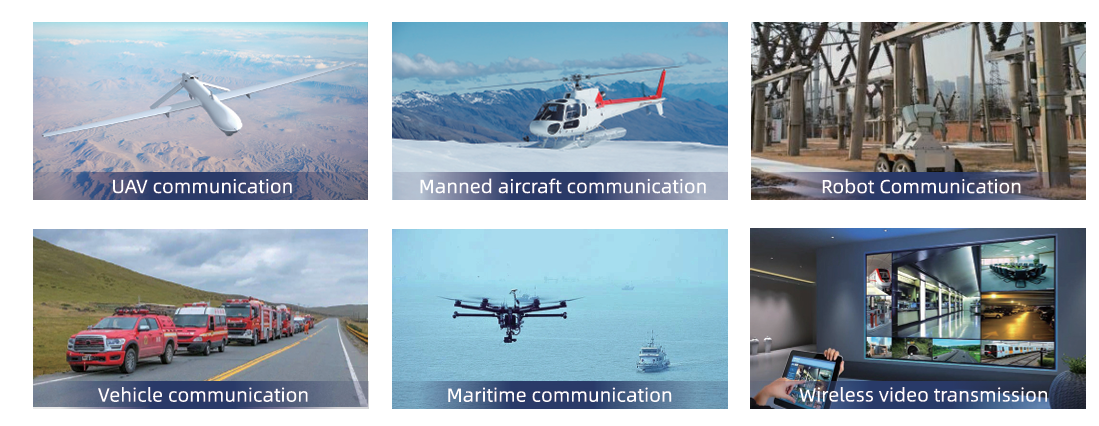
ChinaMoneypro UAV, a national-level high-tech enterprise originating from a state-owned research background, operates across UAV systems, propulsion technologies, sensing systems, data links, and communication technologies. From our experience, organizations working with technically capable manufacturers that understand documentation, engineering standards, and compliance requirements are generally better positioned for complex international procurement projects.
The most successful UAV programs balance technical performance, operational requirements, and regulatory compliance from the very beginning of the acquisition process.
Frequently Asked Questions
What are the most important export and import rules for defense UAVs?
Export licensing, end-user verification, dual-use technology controls, sanctions compliance, import permits, and customs requirements are among the most important regulatory areas.
Do all defense UAVs require export approval?
Requirements vary by country and product classification. Organizations should consult applicable regulations and licensing authorities before export.
Why is end-user verification important?
It helps ensure controlled technologies are transferred only to authorized recipients and approved applications.
Can software and technical documentation be regulated?
Yes. Depending on jurisdiction, software, technical data, and support services may also be subject to regulatory controls.
What is the biggest compliance mistake organizations make?
Many organizations address compliance too late in the procurement process, resulting in delays and increased costs.
Are import regulations the same worldwide?
No. Import requirements differ significantly between countries and should always be reviewed on a case-by-case basis.