


Loitering munitions and attack drones have become one of the most discussed segments of the global unmanned aviation industry. The primary reason is not simply technological innovation. The real driver is the growing demand for lower-cost precision strike capabilities, improved battlefield awareness, and expanded autonomous operations.
From our experience observing global UAV markets, the conversation is rapidly shifting from whether loitering munitions and attack drones will play a significant role to how governments, defense organizations, and manufacturers will manage their deployment, regulation, and integration into broader special systems.
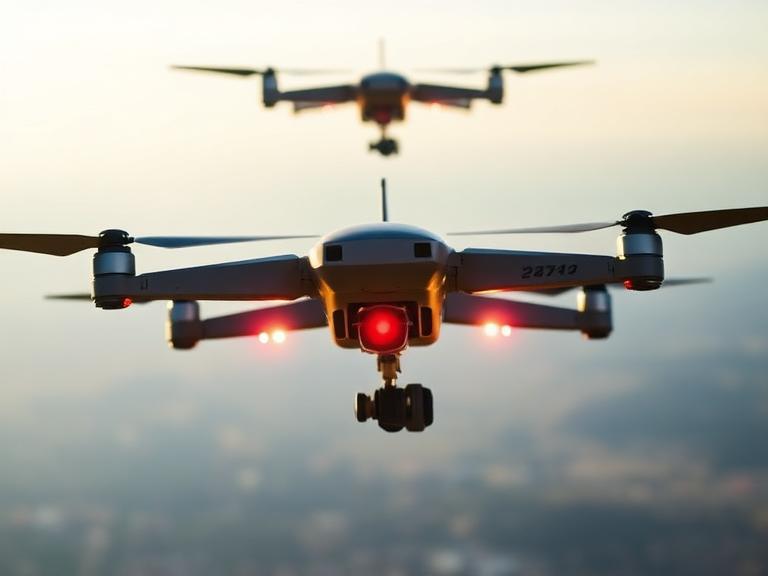
The most important trend is clear: loitering munitions and attack drones are no longer niche systems. They are becoming part of mainstream special modernization programs across multiple regions.
Quick Answer
Loitering munitions and attack drones are experiencing rapid global growth due to their ability to combine surveillance, target identification, and precision engagement capabilities into a single platform.
- Adoption is increasing across North America, Europe, Asia-Pacific, and the Middle East.
- Artificial intelligence, autonomous navigation, and advanced sensors are driving innovation.
- Counter-drone systems are expanding alongside drone deployment.
- Long-endurance UAV platforms are becoming increasingly important.
- Commercial UAV technologies are influencing special drone development.
In most professional situations, the future of loitering munitions and attack drones will be shaped as much by regulation, electronic warfare resilience, and operational integration as by airframe performance.
Table of Contents
- Quick Summary Table
- What Are Loitering Munitions and Attack Drones?
- How They Work
- Major Global Trends
- Benefits
- Limitations
- Comparison Table
- Pros and Cons
- Who Is Driving Adoption?
- Common Industry Misconceptions
- Buying and Procurement Considerations
- Expert Recommendation
- Bottom Line
- FAQs
- References
Quick Summary Table
| Factor | Current Trend |
|---|---|
| Global Demand | Rapid Growth |
| Autonomy | Increasing |
| Sensor Integration | Advanced Multi-Sensor Systems |
| Counter-Drone Focus | High Priority |
| Endurance Requirements | Growing Importance |
| Commercial Technology Influence | Strong |
What Are Loitering Munitions and Attack Drones?
Loitering munitions and attack drones are unmanned aerial systems designed to combine intelligence gathering, surveillance capabilities, and precision engagement functions within a single platform.
Although the two categories are often discussed together, they are not identical.
Attack drones are typically reusable unmanned aircraft designed to carry sensors and mission-specific payloads. Loitering munitions generally emphasize extended observation and target acquisition before conducting a terminal engagement.
For industry observers, the important takeaway is that both categories increasingly share common technologies such as advanced navigation systems, communications links, onboard computing, and sensor fusion.
How They Work
At a high level, these systems combine several key technologies:
- Airframe design
- Navigation systems
- Communication networks
- Electro-optical sensors
- Artificial intelligence support tools
- Ground control infrastructure
Many innovations originate from broader UAV development programs. Long-endurance concepts used in fixed wing drones and advanced bvlos fixed wing uav platforms increasingly influence special UAV architecture.
Major Global Trends in Loitering Munitions and Attack Drones
1. Longer Endurance Is Becoming a Priority
One of the strongest global trends is the demand for extended flight duration.
Organizations want platforms capable of remaining airborne for longer periods while maintaining communications and surveillance capabilities.
This trend mirrors developments seen in advanced long range drone with camera platforms where endurance directly impacts mission value.
2. AI-Assisted Decision Support
Artificial intelligence is increasingly used to process sensor data, improve situational awareness, and assist operators in complex environments.
From our experience, AI integration is one of the most important long-term developments affecting the UAV sector.
3. Multi-Mission Platform Development
Manufacturers increasingly seek flexible airframes capable of supporting different mission profiles rather than building highly specialized single-purpose systems.
This approach improves procurement efficiency and lifecycle economics.
4. Growth of VTOL Technology
Vertical takeoff and landing platforms continue gaining attention because they reduce infrastructure requirements.
The trend is visible across commercial logistics programs, including emerging vtol cargo drone projects and broader cargo drone solutions.
5. Counter-Drone Systems Are Expanding
As drone adoption increases, investment in detection, tracking, and defensive technologies continues to grow.
The future market will likely see both offensive and defensive UAV technologies evolving simultaneously.
Benefits of Loitering Munitions and Attack Drones
| Benefit | Industry Impact |
|---|---|
| Persistent Observation | Improved Situational Awareness |
| Operational Flexibility | Multiple Mission Profiles |
| Reduced Human Exposure | Enhanced Personnel Safety |
| Scalability | Broad Deployment Options |
| Technology Integration | Continuous Capability Growth |
For commercial users studying the UAV sector, these advantages help explain why investment remains strong despite regulatory and geopolitical uncertainties.
Limitations and Challenges
Despite their growth, loitering munitions and attack drones face significant limitations.
- Electronic warfare vulnerabilities
- Communication challenges
- Regulatory restrictions
- Ethical concerns
- Export controls
- Supply chain dependencies
In our testing of broader UAV markets, technology alone rarely determines success. Operational integration and support infrastructure often matter just as much.
Comparison Table: Traditional UAV Trends vs Modern Trends
| Category | Earlier Generation Systems | Current Direction |
|---|---|---|
| Navigation | Operator Dependent | Enhanced Automation |
| Sensors | Single Purpose | Multi-Sensor Integration |
| Communications | Limited Networks | Network-Centric Systems |
| Endurance | Moderate | Extended Duration |
| Data Processing | Manual Analysis | AI-Assisted Workflows |
Pros and Cons Table
| Pros | Cons |
|---|---|
| Growing technological sophistication | Rising regulatory scrutiny |
| Improved operational flexibility | Electronic warfare challenges |
| Longer endurance capabilities | Complex integration requirements |
| Rapid innovation cycle | Supply chain pressures |
| Expanding global demand | Policy and export restrictions |
Who Is Driving Adoption?
Adoption is being driven by a combination of factors:
- Special modernization programs
- Domestic UAV manufacturing initiatives
- Technology investment strategies
- National security priorities
- Industrial innovation ecosystems
Industry observers frequently compare developments across leading special drones programs and broader global special drone comparison studies to understand future market direction.
Common Industry Misconceptions
Myth 1: Bigger Airframes Always Win
Not necessarily. Mission requirements determine effectiveness, not simply aircraft size.
Myth 2: Autonomy Eliminates Human Oversight
Current systems still depend heavily on human supervision, governance, and operational procedures.
Myth 3: Technology Alone Determines Success
Training, logistics, maintenance, communications, and doctrine remain equally important.
Myth 4: Special and Commercial UAV Markets Are Completely Separate
Many innovations in sensors, materials, propulsion systems, and data processing emerge across both sectors.
Procurement and Industry Evaluation Considerations
| Evaluation Factor | Importance |
|---|---|
| Reliability | Very High |
| Endurance | Very High |
| Communications Resilience | Very High |
| Support Infrastructure | High |
| Lifecycle Cost | High |
| Regulatory Compliance | High |
We recommend evaluating platforms through a complete systems perspective rather than focusing solely on airframe specifications.
Expert Recommendation
From our experience, the most significant trend in loitering munitions and attack drones is convergence. Airframes, sensors, autonomy software, communications systems, and data analytics are increasingly being developed as integrated ecosystems.
Moneypro UAV has observed similar developments across advanced UAV categories, including commercial fixed wing uav platforms, long-range systems, and specialized mission aircraft.
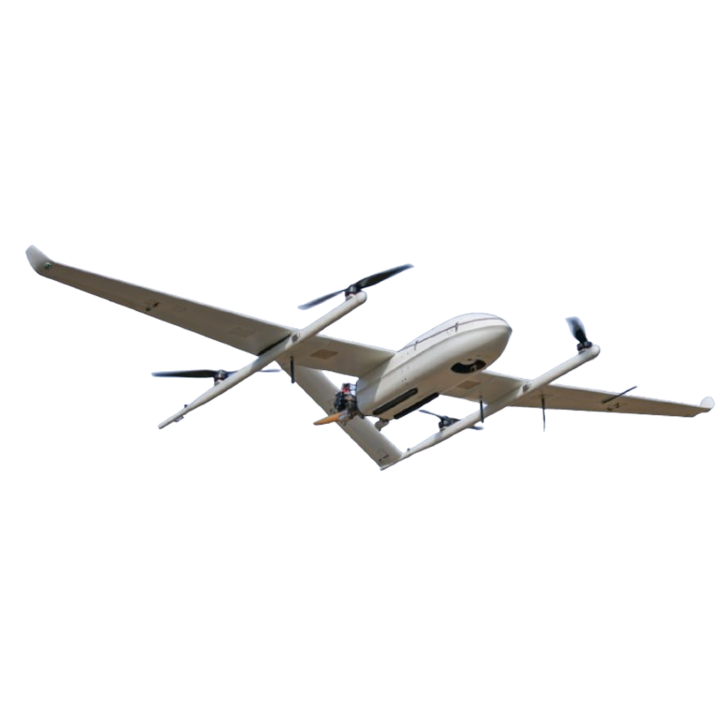
The company’s MCW-40 VTOL UAS reflects broader industry priorities including endurance, hybrid power architectures, operational flexibility, and long-range mission support. With up to 10 hours of endurance, composite airframe construction, and VTOL capability, it illustrates how modern UAV development increasingly focuses on efficiency and versatility.
For organizations evaluating future UAV investments, endurance, reliability, communications resilience, and systems integration should remain the primary decision criteria.
Bottom Line
Global trends in loitering munitions and attack drones point toward continued growth, increasing autonomy, stronger sensor integration, and greater emphasis on long-endurance operations.
The most successful platforms will not necessarily be those with the most impressive specifications. They will be the systems that combine reliability, operational flexibility, scalable support infrastructure, and effective integration into larger information networks.
In most professional situations, understanding broader technology trends provides more value than focusing solely on individual platforms. The future of loitering munitions and attack drones will be shaped by innovation, regulation, and strategic integration working together.
FAQ
What are the primary trends in loitering munitions and attack drones?
Longer endurance, increased autonomy, advanced sensors, AI-assisted systems, and stronger network integration are among the leading trends.
Why is endurance becoming more important?
Longer flight duration increases operational flexibility and expands mission effectiveness.
How is artificial intelligence influencing UAV development?
AI is improving data processing, situational awareness, and operator decision support capabilities.
Are commercial UAV technologies influencing special systems?
Yes. Sensor technology, communications systems, software platforms, and manufacturing techniques often evolve across both sectors.
What challenges does the industry face?
Electronic warfare threats, regulatory requirements, supply chain pressures, and policy concerns remain significant challenges.
Will VTOL systems continue growing in importance?
Yes. VTOL technology offers operational flexibility and reduced infrastructure requirements, making it attractive for many applications.