


In the rapidly evolving world of aerospace and unmanned aerial systems (UAVs), understanding the nuances between takeoff and landing configurations is critical. As we navigate through 2026, the distinction between VTOL (Vertical Take-Off and Landing) and STOL (Short Take-Off and Landing) has moved beyond simple definitions. It now encompasses a complex landscape of hybrid engines, composite materials, and mission-specific engineering. Whether for special logistics, agricultural monitoring, or urban air mobility, choosing the right platform determines the operational range, payload capacity, and infrastructure requirements of a mission.
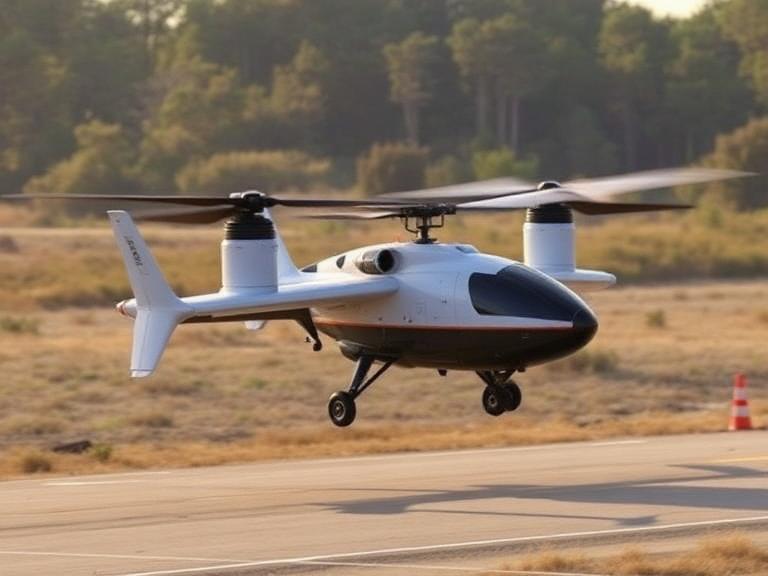
This comprehensive guide explores the physics, operational benefits, and future trends of these two dominant flight modes. We will delve into how modern technology, such as the Petrol Electric Hybrid VTOL systems, is bridging the gap between these categories, offering versatility that was impossible just a decade ago.
- 1. What is VTOL (Vertical Take-Off and Landing)?
- 2. What is STOL (Short Take-Off and Landing)?
- 3. Key Differences: VTOL vs. STOL
- 4. The Hybrid Revolution: Combining Best of Both Worlds
- 5. Industrial Applications and Use Cases
- 6. Industry Spotlight: ChinaMoneypro UAV Solutions
- 7. Future Trends in 2026 and Beyond
- 8. Summary Comparison Table
- 9. Frequently Asked Questions (FAQs)
- 10. References
1. What is VTOL (Vertical Take-Off and Landing)?
VTOL stands for Vertical Take-Off and Landing. This classification of aircraft includes any platform that can hover, take off, and land vertically without relying on a runway. While the helicopter is the most traditional example, the modern definition of VTOL has expanded significantly to include multi-rotor drones, tilt-rotor aircraft, and jet-powered jump jets like the Harrier.
Mechanics of VTOL
The defining characteristic of a VTOL aircraft is its ability to generate lift solely through thrust when stationary. In a multi-rotor drone or helicopter, this is achieved by spinning rotor blades that push air downwards, creating an equal and opposite reaction that lifts the aircraft upwards. In advanced fixed-wing VTOL UAVs, separate vertical lift motors are often used for takeoff, which then shut down as the aircraft transitions to forward flight using a pusher propeller.
Primary Advantages
- Runway Independence: The single biggest advantage is the ability to operate from virtually anywhere—a ship deck, a forest clearing, or a city rooftop.
- Hovering Capability: VTOL platforms can maintain a stationary position in the air, making them indispensable for inspections, surveillance, and precision cargo delivery.
- Rapid Deployment: Without the need to taxi to a runway, VTOL systems can launch immediately upon setup.
Challenges
The main drawback of pure VTOL flight is energy inefficiency. Generating lift via thrust alone consumes significantly more power than generating lift via wings (aerodynamic lift). This historically limited the range and endurance of VTOL aircraft compared to their fixed-wing counterparts.
2. What is STOL (Short Take-Off and Landing)?
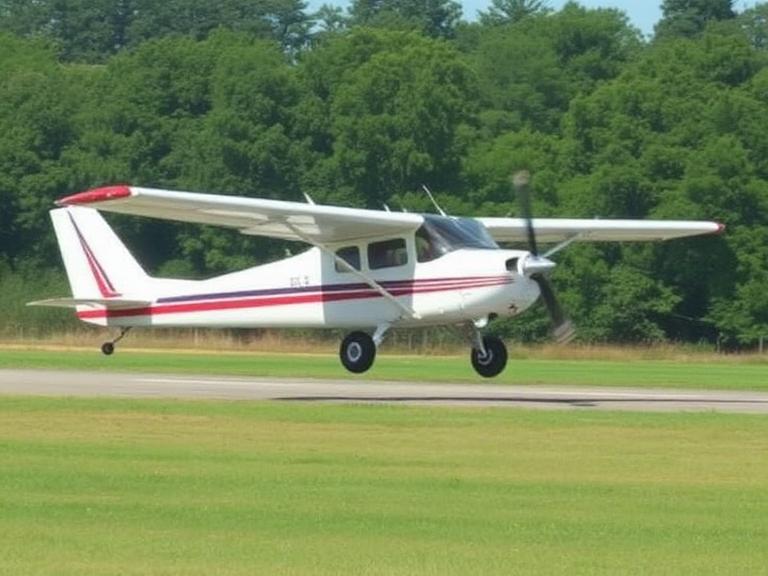
STOL stands for Short Take-Off and Landing. These aircraft are fixed-wing planes designed to operate from extremely short runways. While there is no strict global standard for what constitutes “short,” it generally refers to aircraft that can clear a 15-meter obstacle within 450 meters (1,500 feet) of starting their takeoff roll. In the world of UAVs, STOL capabilities can mean taking off in as little as 10 to 30 meters.
Mechanics of STOL
STOL performance is achieved through advanced aerodynamics rather than raw vertical thrust. These aircraft typically feature large wings with high-lift devices such as slats, slots, and large flaps. These features allow the wing to generate sufficient lift at very low airspeeds, enabling the aircraft to leave the ground quickly. Furthermore, STOL aircraft often have high power-to-weight ratios to accelerate rapidly.
Primary Advantages
- Payload Efficiency: Because the wings do the heavy lifting, STOL aircraft can carry significantly heavier payloads than VTOL aircraft of the same engine power.
- Fuel Economy: Once airborne, a STOL aircraft flies like a traditional plane, benefiting from the aerodynamic efficiency of fixed wings. This results in longer ranges and loiter times.
- Simplicity: STOL aircraft generally have fewer moving parts than complex tilt-rotor VTOLs, leading to lower maintenance costs and higher reliability.
Challenges
The primary limitation is the absolute need for a strip of clear, flat ground. Even if it is only 20 meters, if the terrain is rocky, forested, or urban, a STOL aircraft cannot operate safely.
3. Key Differences: VTOL vs. STOL
Understanding the difference between VTOL and STOL requires looking at the trade-offs between flexibility and efficiency. In 2026, the line is blurring due to hybrid technologies, but the fundamental physics remain.
Launch Infrastructure
VTOL requires zero infrastructure. A 2×2 meter flat spot is often sufficient for a UAV. STOL requires a “runway,” even if that runway is just a flat patch of grass or a dirt road. This makes VTOL the superior choice for maritime operations or dense urban environments.
Energy Consumption
VTOL flight is energy-intensive. The transition phase from vertical to horizontal flight burns a disproportionate amount of fuel or battery life. STOL systems use the ground run to build energy, making the takeoff phase much more efficient. Consequently, for long-endurance mapping missions where a runway is available, STOL (or standard fixed-wing) is often preferred.
Complexity and Cost
VTOL systems, particularly hybrid ones, require complex flight controllers to manage the transition between vertical and horizontal flight modes. This increases the manufacturing cost and maintenance requirements. STOL aircraft are mechanically simpler, relying on traditional control surfaces (ailerons, elevators, rudders) and flaps, making them robust and easier to repair in the field.
4. The Hybrid Revolution: Combining Best of Both Worlds
The most significant development in the UAV sector leading up to 2026 is the widespread adoption of Hybrid VTOL Fixed-Wing aircraft. These platforms solve the “VTOL vs. STOL” dilemma by integrating both capabilities.
A hybrid VTOL UAV typically looks like a standard airplane but features four (or more) electric rotors mounted on the wings for vertical takeoff. Once the aircraft reaches a safe altitude, a rear pusher propeller engages for forward flight, and the fixed wings take over the lift generation. The vertical rotors then shut down to reduce drag.
This configuration offers the vertical flexibility of a helicopter with the cruise efficiency of an airplane. It eliminates the need for a runway while providing flight times that far exceed those of multi-rotor drones. This technology is heavily utilized in the products offered by industry leaders like ChinaMoneypro UAV.
5. Industrial Applications and Use Cases
The choice between VTOL and STOL often comes down to the specific mission profile.
Agriculture
For crop spraying, VTOL multi-rotors are preferred because they can hover precisely over specific plants. However, for large-scale crop mapping, a hybrid VTOL fixed-wing is superior as it can cover hundreds of acres in a single flight without needing a runway.
Linear Infrastructure Inspection
Monitoring oil pipelines and power lines requires long-range capabilities. A STOL or Hybrid VTOL is ideal here. Pure multi-rotors lack the range, and pure fixed-wing aircraft cannot hover to inspect a specific defect closely. Hybrid systems allow the operator to fly fast between pylons and hover when a fault is detected.
Special and Defense
In tactical environments, runways are targets. Therefore, VTOL capabilities are prized for their ability to launch from concealed positions or small naval vessels. However, for logistics and heavy cargo transport to forward operating bases with airstrips, STOL aircraft provide the necessary payload capacity.
6. Industry Spotlight: ChinaMoneypro UAV Solutions
ChinaMoneypro UAV: Pioneering Advanced Aerial Platforms
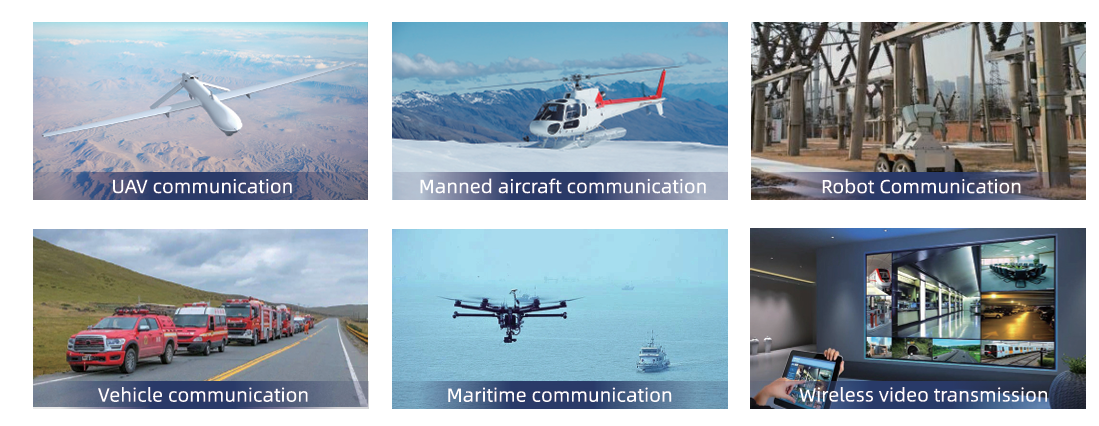
In the competitive landscape of unmanned aviation, ChinaMoneypro UAV stands out as a national-level high-tech enterprise. Transformed from a prestigious state-owned research institute, the company retains deep roots in defense-grade engineering. This heritage allows them to specialize in the R&D and manufacturing of advanced unmanned platforms and integrated sensing-communication solutions.
Headquartered in one of China’s premier innovation hubs, Moneypro is among the few full-stack providers offering complete UAV systems, engines, gimbals, radar, data links, and communication technologies. Their portfolio directly addresses the VTOL vs. STOL debate by offering versatile platforms that cater to diverse mission needs.
Featured Product Categories:
- UAV/Drones: A comprehensive range including Agricultural Drones, Multi-rotor UAVs, and Single-rotor UAVs.
- Airplane & VTOL Systems:
- Petrol Electric Hybrid VTOL: This flagship product combines the long endurance of a petrol engine with the vertical takeoff precision of electric motors. It is the ultimate solution for long-range missions where no runway exists.
- Composite Wing Flight Platform: Utilizing advanced materials for lightweight durability, ensuring maximum flight efficiency.
- VTOL Fixed Wing UAV System: A hybrid platform offering the versatility of vertical launch with the range of fixed-wing flight.
- Tethered Drones: For persistent surveillance applications requiring unlimited flight time via a Tether Box.
- Fiber Optic FPV Drone System: Ensuring jam-resistant communication for high-stakes environments.
By integrating the benefits of hybrid propulsion and advanced composites, ChinaMoneypro UAV provides solutions that eliminate the traditional trade-offs between vertical lift and long-range endurance.
7. Future Trends in 2026 and Beyond
As we look toward the future, the distinction between VTOL and STOL will continue to evolve through several key trends:
Electric and Hydrogen Propulsion
The rise of eVTOLs (Electric Vertical Take-Off and Landing) for Urban Air Mobility (UAM) is the hottest topic in aviation. By 2026, we are seeing the certification of air taxis that utilize distributed electric propulsion to offer quiet, clean vertical flights. Hydrogen fuel cells are also being integrated to extend the range of these platforms beyond current battery limitations.
AI-Driven Flight Control
The complexity of transitioning from vertical hover to wing-borne flight used to require highly skilled pilots. Today, advanced flight controllers and AI handle this transition autonomously. This lowers the barrier to entry for operators and improves safety, making Hybrid VTOLs the standard for commercial drone operations.
Heavy-Lift STOL Drones
While VTOL grabs the headlines, “Heavy-Lift STOL” is emerging as a niche for cargo logistics. By utilizing extremely short, unprepared strips of land, these drones can carry 3x the payload of a VTOL drone of the same size, making them ideal for resupplying remote communities or special outposts.
8. Summary Comparison Table
| Feature | VTOL (Vertical Take-Off & Landing) | STOL (Short Take-Off & Landing) | Hybrid VTOL Fixed-Wing |
|---|---|---|---|
| Runway Requirement | None (0 meters) | Short Strip (10-50m for UAVs) | None (0 meters) |
| Takeoff Energy | High (Inefficient) | Low (Efficient) | High (Vertical phase only) |
| Cruise Efficiency | Low (Rotors create drag) | High (Aerodynamic lift) | High (Fixed-wing mode) |
| Payload Capacity | Low to Medium | High | Medium |
| Mechanical Complexity | Medium | Low | High |
| Primary Use Case | Inspections, Urban Delivery | Heavy Cargo, Logistics | Long-Range Mapping, Surveillance |
9. Frequently Asked Questions (FAQs)
10. References
- International Journal of Aerospace Engineering. (2025). Comparative Analysis of VTOL and STOL Configurations for Urban Air Mobility.
- Jane’s All the World’s Aircraft: Unmanned. (2025-2026 Edition).