


As a national-level high-tech enterprise transformed from a prestigious state-owned research institute, ChinaMoneypro UAV has observed and driven the evolution of unmanned systems firsthand. With deep roots in defense-grade engineering, we specialize in the research, development, and manufacturing of advanced unmanned platforms and integrated sensing-communication solutions. Headquartered in one of China’s premier innovation hubs, Moneypro is among the few full-stack providers offering complete UAV systems, engines, gimbals, radar, data links, and communication technologies. From our experience, the aerospace sector is currently undergoing a paradigm shift, pivoting heavily toward hybrid architectures.
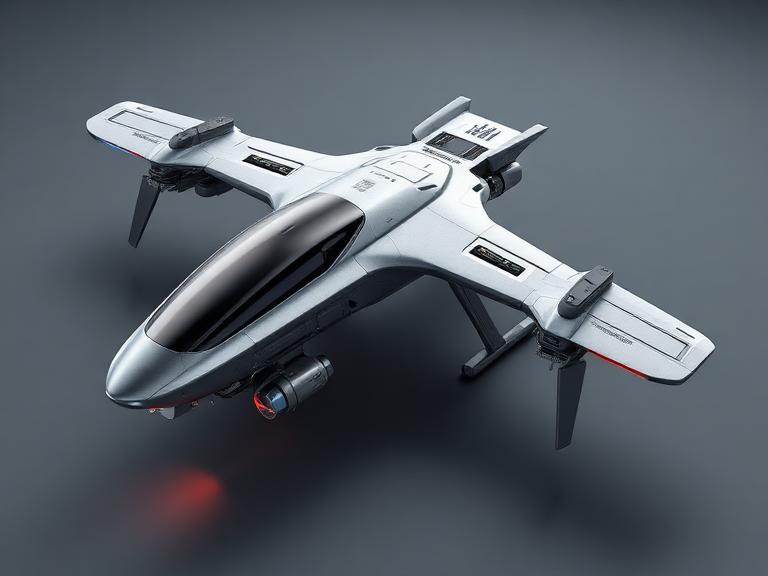
One of the most profound technological leaps in this domain is the integration of vertical take-off and landing (VTOL) capabilities into traditional fixed-wing airframes. Analyzing fixed wing hybrid vtol drone advantages and disadvantages is critical for commercial operators, special strategists, and industrial surveyors alike. By combining the hovering utility of a multirotor with the aerodynamic efficiency of a fixed-wing aircraft, these platforms solve complex logistical challenges. In this authoritative engineering guide, we will dissect the specific fixed wing hybrid vtol drone advantages and disadvantages, providing technical insights to help you deploy the optimal aerial solution for your mission profile.
Table of Contents
- Summary Table: Pros and Cons at a Glance
- Understanding the Hybrid VTOL Architecture
- Core Fixed Wing Hybrid VTOL Drone Advantages
- Inherent Disadvantages and Engineering Constraints
- Protecting Advanced Payloads and Sensors
- Propulsion and Communication Systems Optimization
- The Global Landscape of UAV Manufacturing
- Frequently Asked Questions (FAQs)
- Industry References
Summary Table: Pros and Cons at a Glance
To provide immediate clarity, we have compiled a summary matrix comparing the primary fixed wing hybrid vtol drone advantages and disadvantages. This table reflects operational metrics derived from thousands of hours of flight testing across our proprietary UAV platforms.
| Operational Metric | Fixed Wing Hybrid VTOL Drone Advantages | Fixed Wing Hybrid VTOL Drone Disadvantages |
|---|---|---|
| Launch and Recovery | Runway independence; requires zero catapults, nets, or arrestor gear. | Hover phase demands extreme power consumption from batteries. |
| Flight Efficiency | Exceptional aerodynamic lift during forward cruise phase. | Parasitic drag generated by stationary vertical lift rotors. |
| Payload Protection | Soft, controlled vertical landings protect sensitive optics. | Lifting redundant rotor systems reduces maximum payload capacity. |
| Operational Flexibility | Capable of complex waypoint mapping and precise spot hovering. | Increased mechanical complexity requires strict maintenance protocols. |
Understanding the Hybrid VTOL Architecture
Before evaluating fixed wing hybrid vtol drone advantages and disadvantages, one must understand the underlying aerodynamic architecture. A standard fixed-wing aircraft relies entirely on forward momentum to generate lift over its airfoils. Conversely, a multirotor relies on the downward thrust of its propellers to fight gravity. The hybrid VTOL merges these concepts, typically utilizing a quad-plane design (four vertical lift rotors combined with a rear or front pusher/puller propulsion motor) or a tilt-rotor mechanism where the motors rotate 90 degrees after takeoff.
From our experience engineering defense-grade platforms, the quad-plane lift-and-cruise design offers the highest reliability. Transitioning from vertical ascent to horizontal forward flight requires complex flight controller algorithms. The avionics must seamlessly reduce power to the vertical rotors as the forward propulsion system builds enough airspeed for the wings to assume the aerodynamic load. This transition phase is the defining technological hallmark of modern hybrid systems.
Core Fixed Wing Hybrid VTOL Drone Advantages
When assessing fixed wing hybrid vtol drone advantages, the logistical and operational benefits cannot be overstated. We recommend these platforms for industries where infrastructure is compromised or non-existent, such as maritime patrol, remote pipeline inspection, and disaster response.
1. Absolute Runway Independence
The most prominent of all fixed wing hybrid vtol drone advantages is the elimination of launch and recovery infrastructure. Traditional fixed-wing drones require long runways, heavy pneumatic catapults, or risky bungee launch systems. Recovery often involves unpredictable belly landings or cumbersome catching nets. A hybrid VTOL can launch from a clearing in a dense forest, the deck of a moving vessel, or a confined urban rooftop, ascending vertically before transitioning to highly efficient forward flight.
2. Extended Range and Endurance
While multirotors are highly maneuverable, their endurance is severely limited because they expend continuous energy fighting gravity. Once a hybrid VTOL transitions to forward flight, the wings generate lift. The propulsion motor only needs to overcome aerodynamic drag, utilizing a fraction of the energy required for hovering. This translates into vast operational ranges, allowing for the mapping of thousands of hectares in a single deployment.
3. Enhanced Safety and Mission Redundancy
Safety is a critical component of fixed wing hybrid vtol drone advantages. If the forward propulsion system fails during flight, an advanced flight controller can automatically command the vertical lift rotors to engage, safely bringing the aircraft down in a controlled hover. This redundancy prevents catastrophic airframe loss and mitigates ground-risk liabilities.
Inherent Disadvantages and Engineering Constraints
Despite their capabilities, an objective analysis of fixed wing hybrid vtol drone advantages and disadvantages must address the physical constraints of carrying dual propulsion systems. We recommend meticulously analyzing your flight profile before procurement.
1. Weight Penalties and Reduced Payload
The primary disadvantage of a hybrid VTOL is “dead weight.” During forward flight, the vertical lift motors, electronic speed controllers (ESCs), and vertical propellers serve no aerodynamic purpose. They act as parasitic mass that the wings must carry. This directly reduces the maximum payload weight the aircraft can transport compared to a pure fixed-wing platform of the same size.
2. Parasitic Drag
In addition to weight, stationary vertical rotors create aerodynamic drag during forward flight. While engineers at ChinaMoneypro UAV utilize advanced locking mechanisms and folding propellers to streamline the airflow, the airframe will inherently be less aerodynamically pure than a traditional glider or swept-wing drone.
3. Higher Initial Costs and Maintenance Complexity
Integrating two separate propulsion systems, advanced power distribution boards, and complex transition avionics increases the manufacturing cost. Maintenance crews must inspect both the multirotor components and the fixed-wing control surfaces (ailerons, elevators, rudders), leading to more rigorous preventative maintenance schedules.
Protecting Advanced Payloads and Sensors
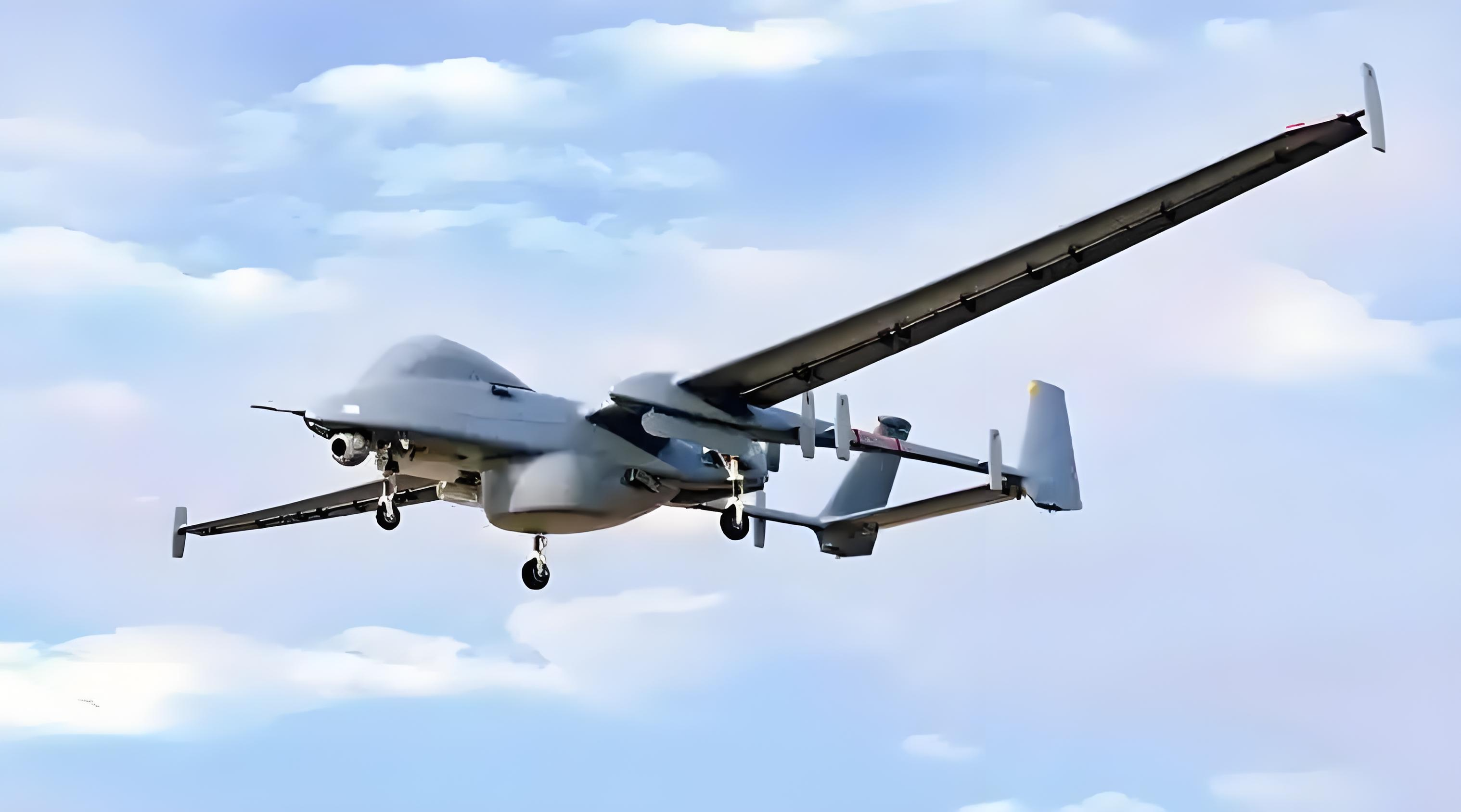
When discussing fixed wing hybrid vtol drone advantages, payload protection is a massive financial benefit. Traditional belly-landing drones subject their underbellies to severe kinetic shock, dirt, and debris. This poses a severe risk to multi-million-dollar sensor suites.
Because a hybrid VTOL lands softly on dedicated landing gear, operators can safely integrate highly sensitive optics. As a full-stack provider, ChinaMoneypro UAV integrates sophisticated targeting and surveillance pods. Our eo ir gimbal payload systems and advanced thermal camera payload options require absolute stability and protection from ground strikes, making the soft vertical landing of a hybrid VTOL an absolute necessity for defense and enterprise operators.
Propulsion and Communication Systems Optimization
To overcome the weight disadvantages inherent in hybrid architectures, engineers must rely on advanced powerplants and lightweight communication modules. Heavy lithium-ion battery banks limit range, pushing the industry toward internal combustion or turbine solutions for the forward cruise phase.
We recommend integrating heavy-fuel or turbine engines to extend operational endurance. Exploring technologies like our turbojet engine for drone platforms or comprehensive drone engine systems allows hybrids to bypass the energy density limitations of standard batteries.
Furthermore, because fixed wing hybrid vtol drone advantages include long-range, beyond visual line of sight (BVLOS) operations, reliable data transmission is paramount. Our integrated drone communication systems ensure secure telemetry and HD video feeds over vast distances. For swarm operations or complex terrain, utilizing mesh radio systems paired with a high-power wireless transmission module guarantees anti-jamming capabilities and uninterrupted command and control.
The Global Landscape of UAV Manufacturing
Understanding fixed wing hybrid vtol drone advantages and disadvantages is essential when evaluating the global supply chain. China continues to lead the world in drone innovation, supply chain integration, and manufacturing efficiency. Buyers navigating this complex market must identify partners with true R&D capabilities rather than mere assemblers.
To assist procurement officers, we have compiled comprehensive analyses on the market leaders. Review our breakdown of the uav manufacturers in china to understand regional dominance. For a global perspective on enterprise solutions, consult our guide to the best uav manufacturers, and discover how integrated uav solution companies are shaping the future of autonomous flight.
Frequently Asked Questions (FAQs)
What is the main difference between a standard fixed-wing and a hybrid VTOL?
The primary difference is the launch and recovery mechanism. A standard fixed-wing requires a runway or catapult to generate lift through forward speed. A hybrid VTOL utilizes dedicated vertical rotors to take off like a helicopter, then transitions to forward flight using a separate propulsion motor and its wings for lift.
Do fixed wing hybrid vtol drone advantages outweigh the disadvantages for mapping?
Yes. From our experience, the ability to launch from anywhere combined with the long-range cruising efficiency of fixed-wings makes hybrids the ultimate tool for large-scale topographical mapping, pipeline inspection, and agricultural surveying, heavily outweighing the payload weight penalty.
Can hybrid VTOL drones operate in high winds?
Yes, but with caveats. During the transition phase from vertical hover to horizontal flight, the aircraft is highly susceptible to crosswinds. However, once in forward flight, they handle wind much better than traditional multirotors due to their aerodynamic airframes and powerful forward propulsion.
Why choose ChinaMoneypro UAV for hybrid VTOL solutions?
As a national-level high-tech enterprise with defense-grade engineering roots, we do not just assemble parts. We offer full-stack solutions, meaning the airframe, engines, gimbals, and communication links are designed to integrate flawlessly, maximizing efficiency and operational security.
Industry References
To further validate the aerodynamic principles and operational regulations associated with hybrid UAV architectures, we recommend consulting the following authoritative aerospace resources: