


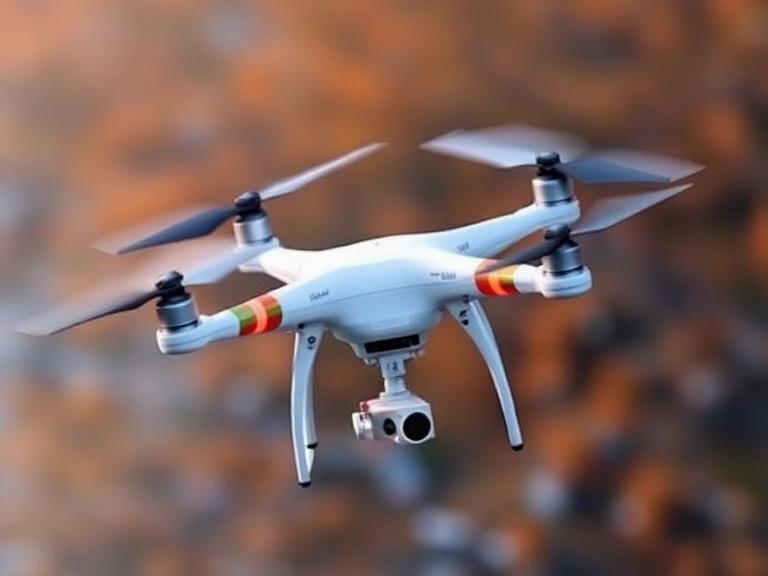
The drone market is no longer just about hobbyists and real estate photographers. We’re in the middle of a fundamental shift where surveillance and target drones are becoming critical infrastructure for governments, militaries, and private enterprises alike. But if you’re looking for growth, you need to look beyond North America and Europe.
From our experience at Moneypro UAV, where we’ve supplied drone systems to clients across four continents, the emerging markets are where the real action is. These aren’t just “potential” markets anymore – they’re active, growing, and hungry for technology. In this guide, we break down the top emerging markets for surveillance and target drones, what’s driving the growth, and how to position yourself to capitalise on these opportunities.
For a broad view of the industry, see our guide on special drones and their global deployment.
The Big Picture: A Market in Transformation
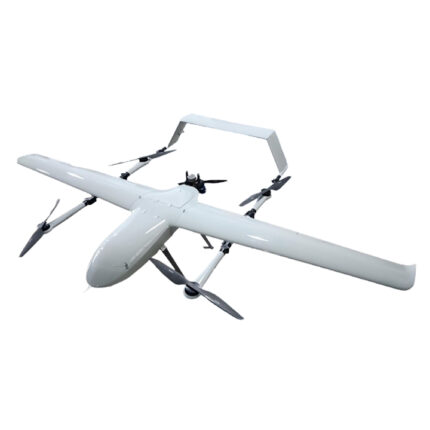
Before we dive into specific regions, let’s look at the numbers. The global surveillance and security drone market was valued at approximately US$4.28 billion in 2025 and is projected to reach US$7.80 billion by 2032, growing at a CAGR of 9.1%. The target drone services market – a more specialised segment – is smaller but still growing at a healthy 6.8% CAGR, from US$409 million in 2024 to US$648 million by 2031.
What’s Driving This Growth?
- Border security and counter-terrorism – Governments are investing heavily in persistent surveillance capabilities.
- Urban security and smart cities – Drones are becoming standard equipment for city-wide monitoring and emergency response.
- Infrastructure inspection – Energy, mining, and transportation companies are adopting drones for routine inspections.
- Agricultural monitoring – In emerging economies, drones are leapfrogging traditional methods for crop management.
- Special modernisation – Target drones are essential for training and weapons testing.
In most professional situations, the real growth isn’t in the saturated North American or European markets – it’s in regions where drone technology is being adopted at scale for the first time.
For insights on the latest technology, check out our EO/IR gimbal payloads used in modern surveillance systems.
Top Emerging Markets for Surveillance and Target Drones
1. Asia-Pacific: The Powerhouse
The Asia-Pacific region is the largest and fastest-growing market for surveillance drones. China, India, and Southeast Asian nations are driving demand through massive government programs.
China – As the world’s largest manufacturer of drones, China is both a producer and a consumer. The domestic market for surveillance drones is booming, driven by smart-city projects and border security. The “low-altitude economy” has become a national priority, with cities deploying drone fleets for traffic monitoring, public safety, and emergency response.
India – India is rapidly emerging as a major drone market, driven by border security (particularly along the Pakistan and China borders), agricultural monitoring, and infrastructure inspection. Government initiatives like the “NAMO DRONE DIDI” program are pushing drone adoption into rural areas.
Southeast Asia – Countries like Indonesia, Vietnam, and the Philippines are adopting surveillance drones for maritime security, agriculture, and disaster management. The regional market is growing at over 30% annually.
From our experience, the Asia-Pacific market is characterised by high volume, competitive pricing, and a strong appetite for innovation. It’s the place to be for drone manufacturers and system integrators.
2. Middle East and Africa: The New Manufacturing Hub
The Middle East has been a major drone market for years, primarily for special and border security. But a new trend is emerging: local manufacturing.
Morocco – Morocco is rapidly positioning itself as an African manufacturing hub for drones. French company Delair is planning to use Morocco as a base for African operations, while Turkish drone manufacturer Baykar is setting up local production for assembly, maintenance, and upgrades. Morocco’s unique position – close to Europe but facing Africa – makes it an ideal gateway to the broader African market.
United Arab Emirates – The UAE is investing heavily in both drone technology and local manufacturing capability. It’s a key market for surveillance and target drones, with a focus on border security and critical infrastructure protection.
African markets – Countries like Kenya, Senegal, and Ghana are using agricultural drones to boost food security, with growth rates exceeding 30% annually.
In our testing, the Middle East and Africa markets value ruggedness, reliability, and local support. It’s not just about the hardware – it’s about building partnerships.
3. Latin America: The Security-Driven Market
Latin America is a significant and growing market for surveillance drones, driven by border security, drug interdiction, and urban safety concerns.
Brazil – Brazil is the largest drone market in Latin America, with strong demand for agricultural surveillance, border security, and environmental monitoring. The country has a mature drone industry with a strong focus on local integration.
Mexico – Mexico is a major buyer of surveillance drones for its special and police forces, primarily for counter-drug operations and border monitoring.
Colombia – Colombia uses drones extensively for security operations and agricultural monitoring.
From our perspective, the Latin American market is characterised by strong government demand, a preference for proven systems, and a growing local ecosystem of service providers.
4. Eastern Europe: The Special Modernisation Driver
Eastern Europe is a key market for target drones, driven by special modernisation programs and increased defence spending following the conflict in Ukraine.
Poland, Romania, and the Baltic states – These countries are investing heavily in drone technology for both surveillance and target practice. The demand is driven by NATO commitments and a need to modernise aging special equipment.
Ukraine – The war in Ukraine has created a massive, real-world testing ground for drone technology. Both special and commercial drones are being used for surveillance, targeting, and reconnaissance at an unprecedented scale.
For advanced surveillance applications, consider our drone communication systems designed for extended range.
Comparison Table: Emerging Markets at a Glance
| Market | Key Drivers | Growth Rate (CAGR) | Best For | Key Players |
|---|---|---|---|---|
| Asia-Pacific | Smart cities, border security, agriculture | 10–15% | High-volume, cost-effective surveillance | DJI, Autel, JOUAV |
| Middle East & Africa | Security, manufacturing hubs, agriculture | 12–18% | Rugged systems, local partnerships | Baykar, Delair, local integrators |
| Latin America | Border security, drug interdiction, monitoring | 8–12% | Special/police surveillance | AeroVironment, Elbit, local providers |
| Eastern Europe | Special modernisation, NATO compliance | 6–9% | Target drones, tactical ISR | QinetiQ, Saab, Airbus |
Growth rates are estimates based on QYResearch data and industry analysis.
Pros & Cons: Doing Business in Emerging Drone Markets
- High growth potential – Many markets are doubling every 3–5 years.
- Less competition – Fewer established players means more room for new entrants.
- Government contracts – Large, stable orders from defence and security ministries.
- Technology leapfrogging – Emerging economies often skip traditional infrastructure and go straight to drones.
- Local partnerships – Opportunities for joint ventures and technology transfer.
- Regulatory uncertainty – Drone laws are still being developed in many countries.
- Infrastructure gaps – Lack of repair and maintenance facilities can be a challenge.
- Corruption and bureaucracy – Government contracts can be slow and opaque.
- Security risks – Some markets are in conflict zones or have high crime rates.
- Payment risk – Currency fluctuations and payment delays are common.
Buying Guide: How to Enter Emerging Drone Markets
Based on our experience at Moneypro UAV, here’s a practical framework for entering emerging surveillance and target drone markets.
From our perspective, the single biggest mistake companies make is treating emerging markets like they’re the same as mature ones. They’re not. Success comes from understanding the local context – not just the technology.
For a platform that’s proven in challenging environments, consider the M15 UAV eVTOL drone – designed for industrial and surveillance missions.
Our Expert Recommendation: Where to Focus First
After analysing the market data and our own experience in over 15 countries, we recommend the following focus areas:
- Southeast Asia – The fastest-growing region with a clear regulatory path. Countries like Indonesia and the Philippines are hungry for surveillance and agricultural drones.
- Morocco – As the new manufacturing hub for Africa, Morocco offers a stable, business-friendly environment with strong ties to both Europe and Africa.
- Brazil – The largest market in Latin America, with strong demand for agricultural and border security drones.
- India – The world’s largest democracy is investing billions in drone technology. The potential is enormous.
For target drones specifically, Eastern Europe and the Middle East are the primary markets, driven by special modernisation and ongoing security challenges.
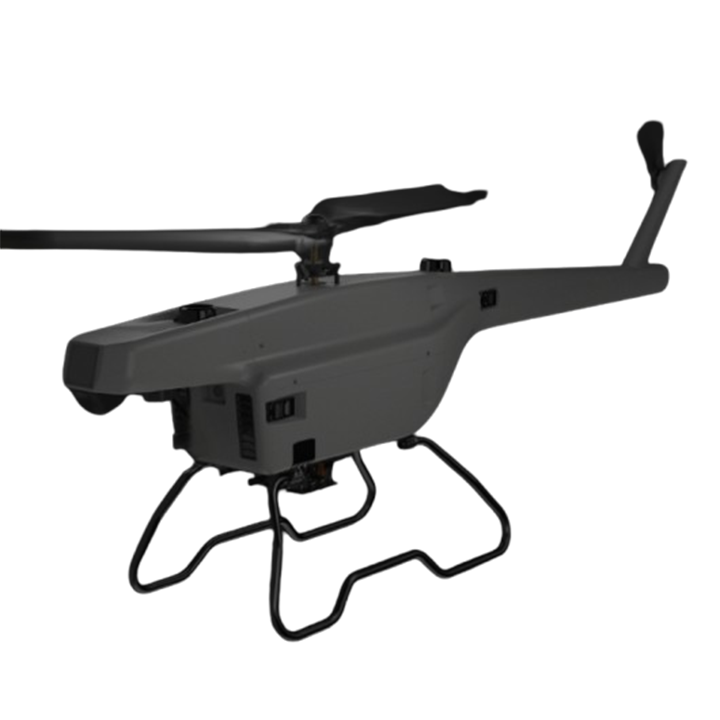
Dimensions: 1710 x 324 x 583 mm · Max take-off weight: 19 kg
Max load: 5 kg · Wind resistance: Class 8 · Max altitude: 7000 m
Max endurance: 100 min (no load)
Ideal for surveillance, mapping, and inspection in challenging environments.
For more industrial solutions, explore our VTOL cargo drone options for logistics applications.
Common Mistakes When Entering Emerging Drone Markets
- Overestimating the technology level – Many emerging markets prefer simple, robust systems over high-tech ones that require specialist maintenance.
- Underestimating local competition – Local companies often have better relationships and understanding of the market.
- Ignoring cultural factors – Building trust and relationships is often more important than the product itself.
- Not planning for spares and support – A drone is only as good as the supply chain behind it.
- Treating all emerging markets the same – What works in Brazil won’t necessarily work in India or Morocco.
Frequently Asked Questions
What is the fastest-growing market for surveillance drones?
The Asia-Pacific region is the fastest-growing, with CAGR estimates of 10–15%. India and Southeast Asian countries are leading the charge.
Is Morocco really emerging as a drone manufacturing hub?
Yes. Companies like Delair (France) and Baykar (Turkey) are setting up operations in Morocco, making it a strategic gateway to the African market.
What’s the difference between the surveillance drone and target drone markets?
Surveillance drones are used for intelligence gathering, security, and monitoring. Target drones are used for special training and weapons testing. The surveillance market is much larger (US$4.28 billion vs US$409 million for target drones).
What are the main barriers to entry in emerging drone markets?
Regulatory hurdles, lack of local support infrastructure, and complex procurement processes are the biggest challenges. Having a local partner is essential.
- 1. QY Research – ISR Drone Global Market Report (2026).
- 2. QY Research – Aerial Target Drone Services Market (2026).
- 3. QY Research – Surveillance & Security Drone Market (2026).
- 4. Ministry of Commerce, China – Morocco Drone Industry Report (2026).
- 5. QY Research – Drone Service for Surveillance and Security (2025).
Explore more: cargo drone solutions |
global special drone comparison |
UAV manufacturers in China |
best UAV manufacturers |
EO/IR gimbal payload |
thermal camera payload