Unleashing Performance: A Deep Dive into the MOPBE-20C Engine
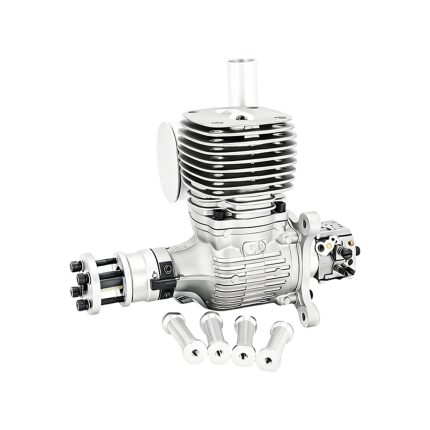
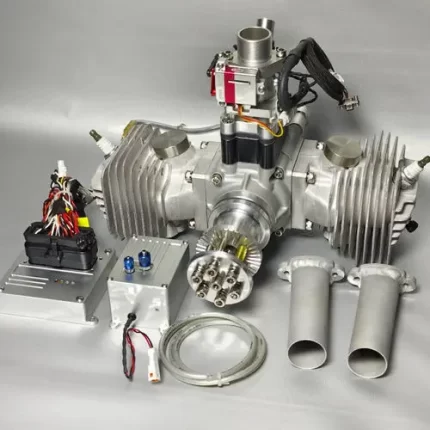
When it comes to powering advanced unmanned aerial vehicles (UAVs), ultralight aircraft, and critical range-extending systems, the choice of engine is paramount. The MOPBE-20C engine stands out as a marvel of modern engineering, combining rugged, time-tested two-stroke technology with contemporary materials and design philosophies. Designed for versatility and efficiency, this powerplant delivers a compelling blend of high thrust, low vibration, and exceptional adaptability. Before exploring its applications, let’s break down the core specifications that define this powerful unit.
Core Specifications and Technical Parameters
| Parameter | Value / Description |
|---|---|
| Engine Model | MOPBE-20C |
| Cycle Type | Two-Stroke |
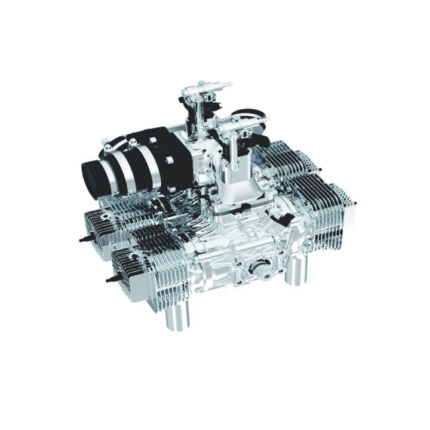
| Number of Cylinders | 4 (Four-Cylinder) |
| Cylinder Configuration | Horizontal Layout |
| Cooling System | Air-Cooling |
| Engine Displacement | 275 cc |
| Maximum Power Output | 15 kW (15,000 W) |
| Power Range | 10 – 50 hp |
| Dry Weight Range | 0 – 10 kg |
| Recommended Propeller Diameter | 30 – 34 inches |
| Fuel Type | Standard Unleaded Gasoline |
| Ignition System | DC CDI (Capacitor Discharge Ignition) |
| Carburetor Type | High-Performance Pump Membrane |
| Piston Material | Aluminum Alloy Casting |
| Crankshaft Type | Forged |
| Cylinder Technology | Advanced Precision Casting with Ceramic Plating |
| Mounting Orientation | 360° All-Directional (No Performance Impact) |
| Front Axle Drive Option | Propeller / Reducer Attachment |
| Rear Axle Drive Option | Starter Motor / Coupling |
| Output Connection Forms | Propeller, Clutch, Generator, and Custom Configurations |
| Electric Starter | Optional (Supports Remote/Remote Starting) |
| Generator Compatibility | Multiple Generator Types for Continuous Power Supply |
| Primary Applications | Fixed-Wing UAVs, Powered Parachutes, Delta Wings, Ultralight Aircraft, Range Extenders |
Engineering Excellence: The MOPBE-20C Engine’s Advantages
The raw power figures of the MOPBE-20C engine are impressive, but the true sophistication lies in its refined engineering. Every component is selected to push the envelope of what a compact, lightweight engine can achieve. Below, we unpack the specific design features that drive its exceptional performance.
Innovative Power-to-Weight Design
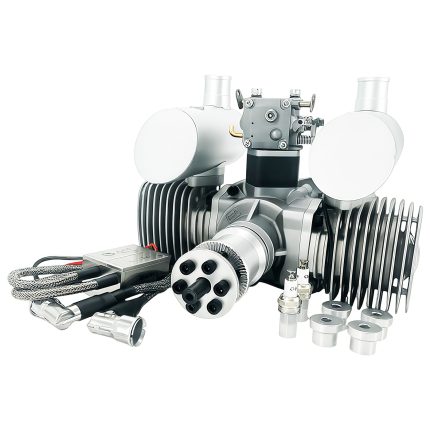
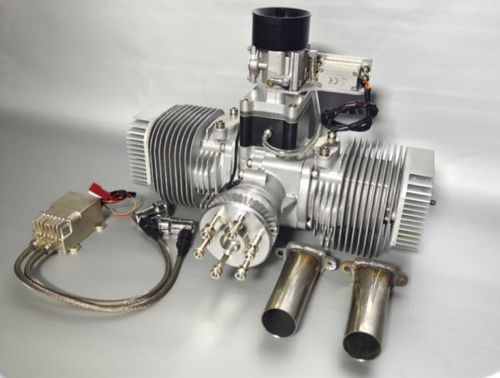
At the heart of the MOPBE-20C engine is a double-cylinder single-intake architecture. This isn’t just a matter of aesthetic design; it’s a calculated move to drastically reduce the engine’s overall size and minimize vibration. By channeling the intake through a single, intelligently designed manifold, engineers have simultaneously improved the engine’s volumetric efficiency while keeping the package compact. The result is a stellar thrust-to-weight ratio, a critical metric for any aircraft where every gram counts.
The weight savings continue with the advanced materials. The engine features a lightweight aluminum alloy piston and a high-strength forged crankshaft. The cylinder itself is produced via precision casting and coated with a state-of-the-art ceramic plating. This ceramic coating reduces friction, enhances heat dissipation, and extends the engine’s operational lifespan, while also contributing to the overall power output by improving the seal between piston rings and cylinder walls.
Fuel System and Combustion Efficiency
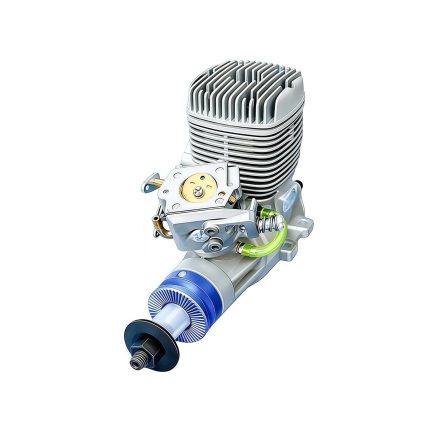
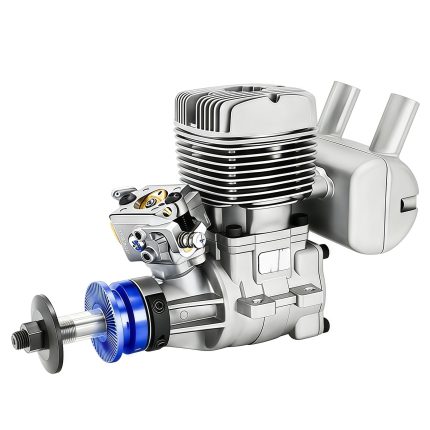
Power is nothing without control, and the MOPBE-20C engine manages its fuel delivery with a high-performance pump membrane carburetor. This specific carburetor type is renowned for its exceptional atomization capabilities. It injects a finely misted fuel-air charge into the cylinders, ensuring that every drop of standard gasoline is utilized for maximum combustion efficiency. This high atomization translates directly into more power per unit of fuel and cleaner, more complete burning. Crucially, the engine is designed to run on common, readily available unleaded gasoline. This eliminates the logistical headache and high cost of specialized aviation fuel, making the MOPBE-20C engine an economically superior choice for extended flight operations.
Versatile Mounting and Output Options
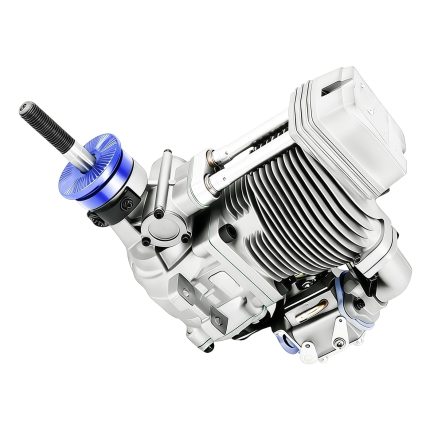
One of the most remarkable features of the MOPBE-20C engine is its mounting flexibility. The engine can be installed in any orientation—a full 360 degrees around its center—without any detrimental effect on its power output or lubricating capabilities. This freedom allows designers to integrate it seamlessly into airframes with demanding spatial constraints.
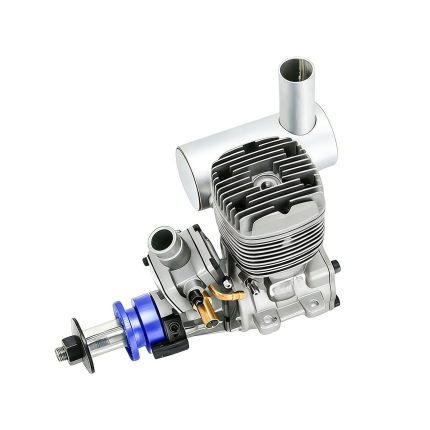
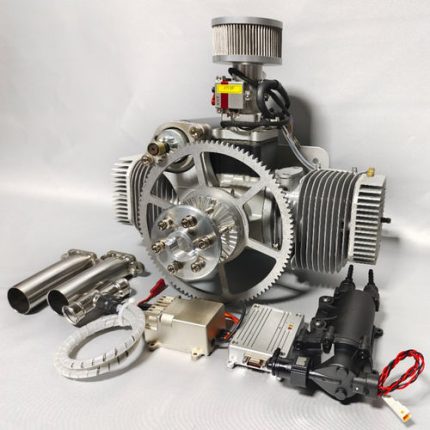
On the front of the engine, you can attach either a propeller or a reducer to optimize the rotational speed for large-diameter propellers. On the rear, a starter motor or a coupling can be installed. This dual-ended output capability is rare and valuable. Furthermore, the engine’s rear axle can be configured to support different output connection forms, including clutches for generators, directly coupled generators, or even custom connectors. This makes the MOPBE-20C engine the ideal power source for systems that require both propulsion and a continuous electrical supply.
Practical Applications and the MOPBE-20C Engine’s Role
The MOPBE-20C engine’s unique configuration makes it a perfect fit for a wide spectrum of aerial and ground-based power applications. Its ability to adapt to various propellers, from 30 to 34 inches, means it can be tuned for high-speed cruise on a fixed-wing UAV or for the thrust-heavy propulsion of a powered parachute. Whether powering the main propulsion of a delta wing, serving as the primary motor for a small ultralight aircraft, or acting as a reliable range extender to recharge batteries on a hybrid-electric UAV, this engine delivers consistent, dependable power.
The availability of an optional electric starter further enhances its utility, enabling remote starting capabilities. For operators of large, fixed-wing surveillance drones or delivery aircraft, the ability to start the MOPBE-20C engine from a ground station or command center adds a significant layer of convenience and safety. When paired with a generator, the engine is more than just a propulsive unit; it becomes a standalone mobile power plant, continuously feeding electricity to onboard systems, relays, or mission-critical equipment.
Conclusion: The MOPBE-20C Engine as a Strategic Asset
In a field where reliability, weight, and power converge to define mission success, the MOPBE-20C engine emerges as a standout performer. It is not merely a two-stroke engine; it is a highly adaptable, purpose-built solution for modern unmanned and light aviation. From its vibration-dampening, high-thrust design to its robust, fuel-efficient carburetor and universal mounting capability, every aspect of this engine is engineered for utility. The strategic use of advanced manufacturing technologies ensures that the MOPBE-20C engine remains a reliable partner, whether it is powering a silent surveillance flight or providing the backbone for a long-duration range extender. For engineers and operators seeking a balance between high-power density and operational flexibility, this engine represents a finely tuned instrument of aerodynamic excellence.