🚨 Industry Pain Points
Modern UAV navigation systems face several critical limitations:
- Instability or loss of GPS signals in remote or contested environments
- Reduced inertial accuracy due to temperature fluctuations
- Poor performance in extreme cold conditions
- Insufficient redundancy in navigation systems
- Weak interface protection leading to electrical interference or damage
- Limited reliability in long-endurance autonomous missions
These challenges directly impact flight safety, navigation accuracy, and mission success rates.
⚙ Product Advantages
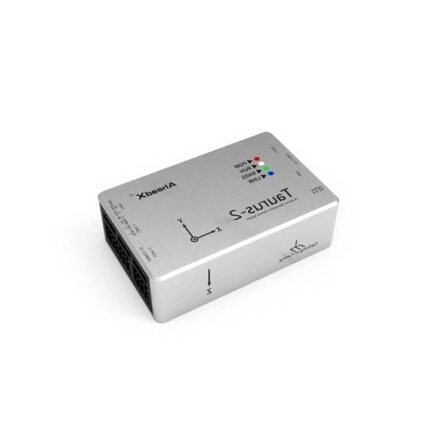
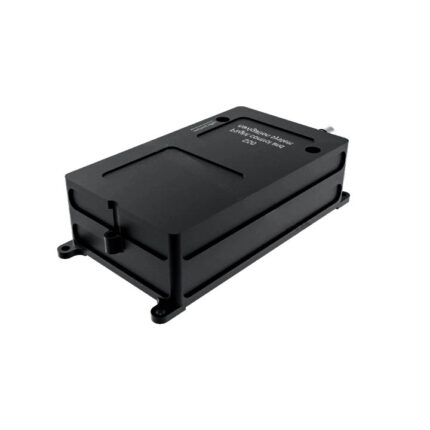
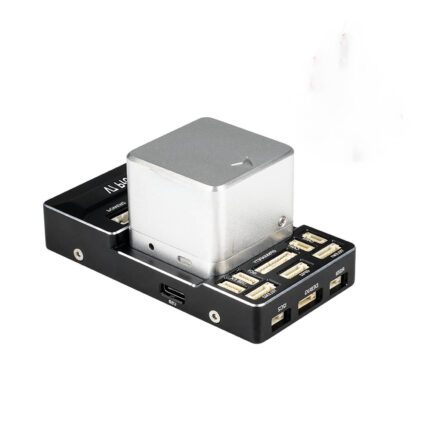
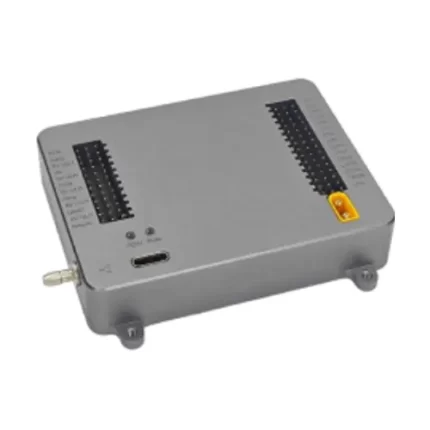
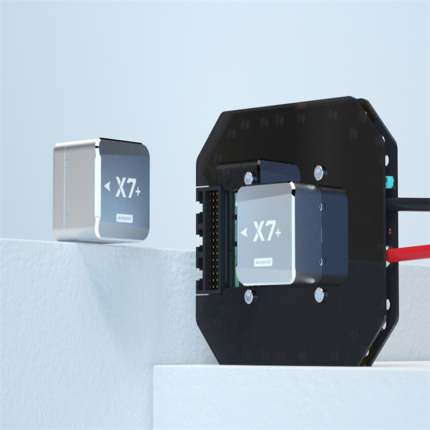
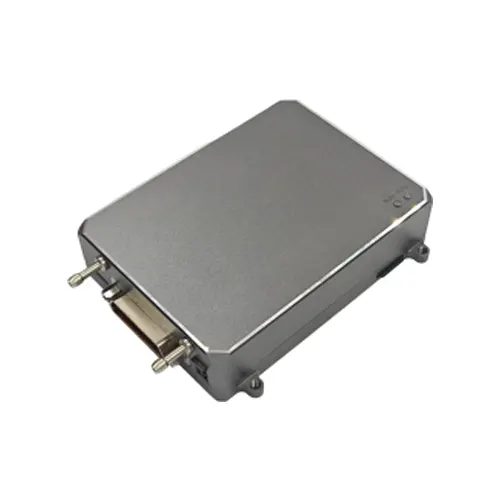
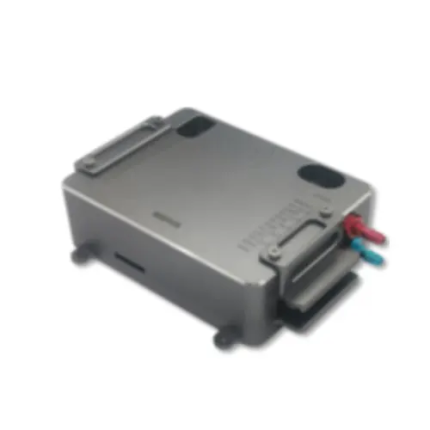
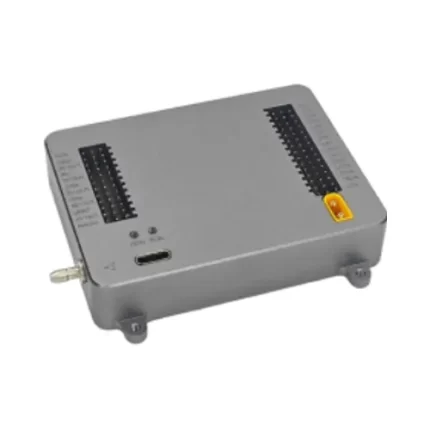
Our integrated 4-redundancy MEMS navigation system is designed to overcome these limitations:
- ✔ Quad-redundant MEMS integrated navigation system for maximum reliability
- ✔ Built-in thermal stabilization system improves inertial measurement accuracy
- ✔ Stable operation in extreme environments down to -40°C
- ✔ Fully supports GPS-denied pure inertial navigation flight
- ✔ Aviation-grade J30 connector ensures secure and stable connections
- ✔ Electrical isolation design reduces interference and improves system safety
- ✔ Comprehensive interface protection enhances durability and reliability
🚁 Product Applications
This high-performance navigation system is widely used in:
- Long-endurance UAV platforms
- Industrial field unmanned systems
- High-precision surveying and mapping drones
- Arctic and extreme environment UAV operations
- Maritime and offshore autonomous navigation systems
- Industrial inspection and infrastructure monitoring
⭐ Why Choose Us
- High-reliability quad-redundant architecture for mission-critical applications
- Optimized for extreme environmental conditions (-40°C operation)
- Advanced thermal control ensures stable navigation accuracy
- Strong anti-interference and electrical protection design
- Aviation-grade hardware connectors (J30 standard)
- Proven performance in GPS-denied and complex environments
We deliver robust, high-precision navigation solutions designed for professional unmanned systems.
❓ Frequently Asked Questions (FAQ)
Q1: Can the system operate without GPS?
Yes, it fully supports pure inertial navigation without GPS input.
Q2: How does it maintain accuracy in low temperatures?
It uses a built-in thermal stabilization system to ensure consistent sensor performance.
Q3: What is the operating temperature range?
The system is designed to operate reliably down to -40°C.
Q4: What type of connectors are used?
It uses aviation-grade J30 connectors for secure and stable connections.
Q5: Is the system protected against electrical interference?
Yes, it includes electrical isolation and full interface protection design.
| Item | Specification |
|---|---|
| Power Supply | 12–60V |
| Operating Temperature | -40 to +85 °C |
| Built-in IMU Shock Absorption | × |
| Built-in RTK | × |
| Built-in Dual-Antenna Direction Finding | × |
| Pod (Gimbal/Seeker) Support | √ |
| Engine Support | √ |
| Airspeed Measurement Method | Dynamic pressure + static pressure |
| Power Consumption | <10W |
| Attitude Accuracy | 0.1° |
| Heading Accuracy | 2° |
| Gyroscope Measurement Range | ±450 °/s |
| Accelerometer Measurement Range | ±16 g |
| Positioning Accuracy | 2.5 m |
| Velocity Measurement Accuracy | 0.1 m/s |
| Airspeed Measurement Range | 0–220 m/s (optional) |
| PWM Channels | 14 channels |
| SBUS Channels | 1 input, 1 output |
| Voltage Monitoring Channels | 3 channels |
| Voltage Monitoring Range | 0–60V (optional high-voltage module) |
| CAN Communication Interface | 2 channels |
| Serial Ports | 2× RS232, 2× TTL |
| Ethernet | 1 port |
| Dimensions | 89.5 × 66 × 23 mm |
| Weight | 121.5 g |