
Unleashing Potential: The Future of Compact Robotics Platforms
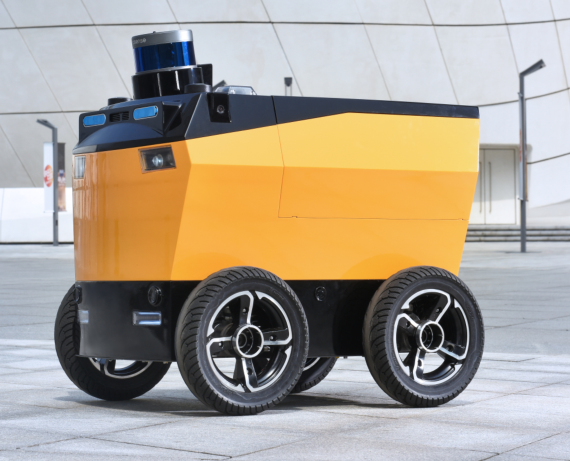
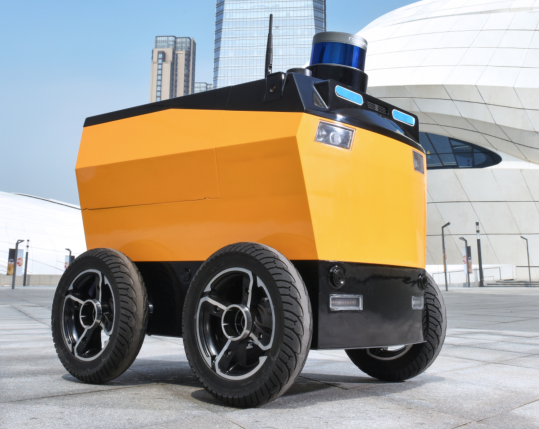
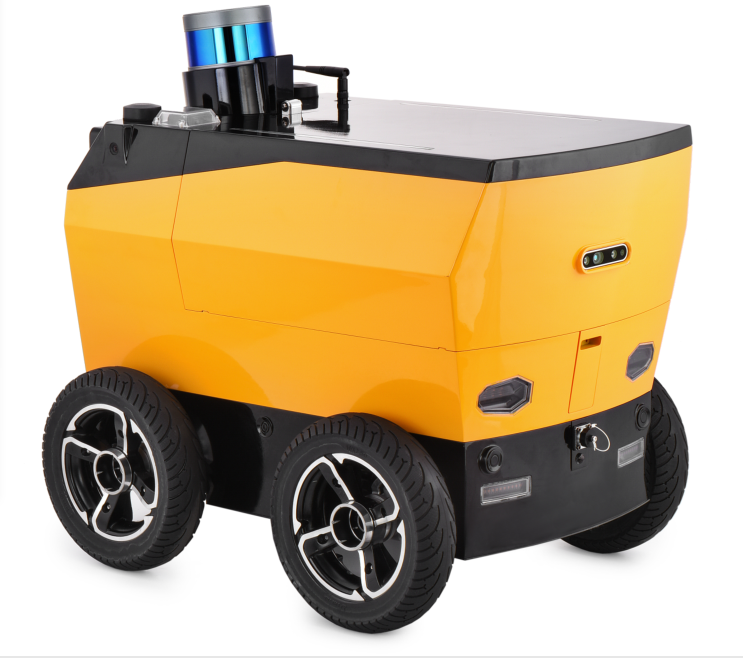
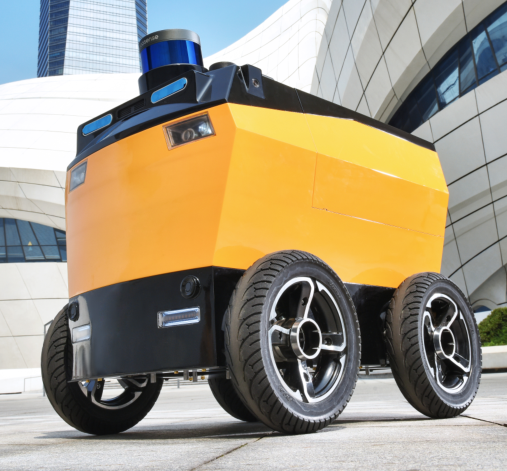
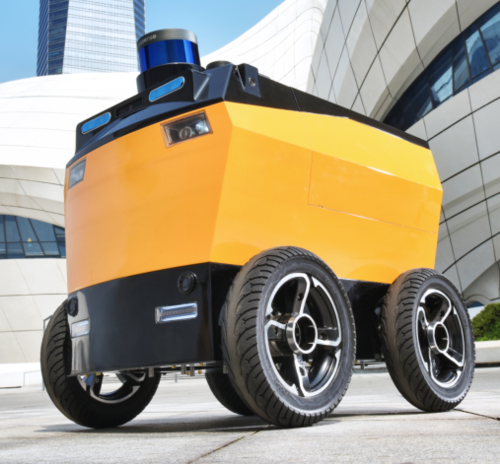
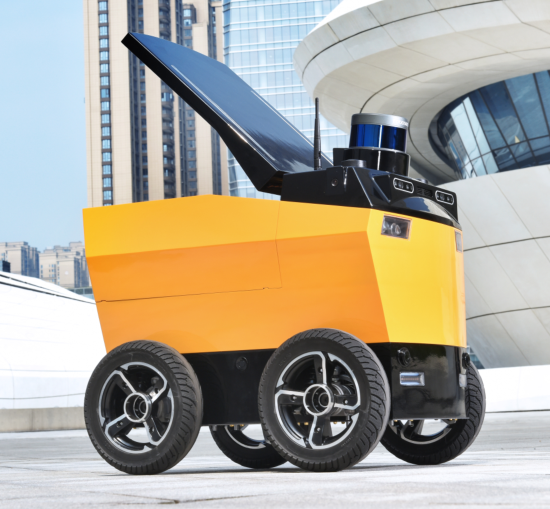
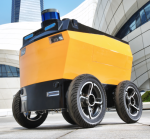
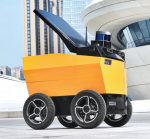
In the rapidly evolving world of robotics, the foundation of any successful project lies in the reliability and versatility of its chassis. Whether you are developing a delivery robot, an inspection vehicle, or an educational platform, the mechanical base is critical. This article explores a high-performance compact chassis designed to bridge the gap between hobbyist projects and commercial applications. With a focus on heavy-duty performance and intelligent control, this chassis represents a significant step forward in mobile robotics.
Robotics Chassis Specifications: A Deep Dive
The core of this system is a robust four-wheel-drive platform engineered for agility and strength. Understanding the technical parameters is essential before integration. Below, you will find the complete technical breakdown, presented in a clear format for easy reference.
| Parameter | Value |
|---|---|
| Chassis Net Weight | 15 Kg |
| Maximum Payload | 10 Kg |
| Chassis Dimensions (L x W x H) | 0.8 m x 0.6 m x 0.6 m |
| Drive Motor Power | 4 x 200W |
| Maximum Speed | 10 km/h |
| Maximum Gradeability | 25% |
| Chassis Structure | Four-wheel Independent Drive + Independent Suspension |
| Ground Clearance | 2 cm |
| Battery Type | Ternary Lithium, 1 kWh |
| Endurance Time | Approx. 2 hours (10–20 km range) |
| Chassis Communication | CAN / RS485 |
| DCDC Interface | 24V / 5V |
Why These Robotics Chassis Specifications Matter
The detailed specifications reveal a carefully balanced design. Weighing only 15 kg while supporting a 10 kg payload means this chassis can carry sensors, manipulators, and cargo without compromising mobility. The four 200W motors ensure sufficient torque for navigating inclines up to 25%, while the independent suspension system provides stability on uneven terrain. The 1 kWh ternary lithium battery offers a practical 2-hour runtime, making it suitable for extended indoor or outdoor missions. Communications via CAN and RS485 allow seamless integration with microcontrollers and industrial controllers, while the dual-voltage DCDC interface provides clean power for onboard electronics.
Engineering for Real-World Performance
Beyond the numbers, the design philosophy prioritizes practical utility. The four-wheel-independent-drive system enables zero-turn maneuvers, which is crucial for operating in tight spaces. The independent suspension not only improves traction but also helps protect sensitive payloads from vibration damage. This combination of power and precision makes the chassis ideal for applications ranging from autonomous delivery to research exploration.
Key Features Driving Versatility
– All-Terrain Capability: With four driven wheels and a rugged suspension, the chassis can handle grass, gravel, and gentle slopes.
– Intelligent Power Management: The 1 kWh battery is built for longevity, and the system can be configured for fast charging to minimize downtime.
– Expandable Architecture: The open communication interface (CAN/RS485) and available 24V/5V power simplify the addition of LiDAR, cameras, and GPS modules.
Conclusion: Building on a Solid Foundation
A successful robotic system begins with a chassis that meets the demands of its intended mission. This platform, with its impressive balance of payload capacity, speed, endurance, and intelligent control, offers a compelling solution for developers and engineers. The detailed robotics chassis specifications we have discussed—from the 15 kg net weight to the 10 kg payload and the 2-hour endurance—demonstrate a clear focus on robust, practical performance. By choosing a foundation built on these specifications, you are not just acquiring a vehicle; you are unlocking the potential to create a truly mobile, intelligent, and reliable robot. Whether you are prototyping the next great innovation or scaling a commercial solution, this chassis provides the reliable base you need to succeed.