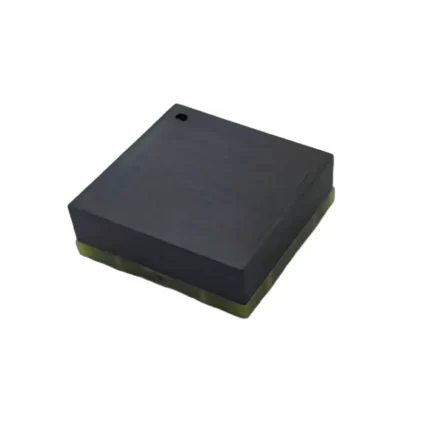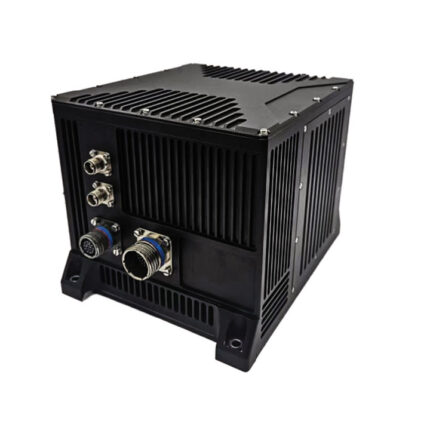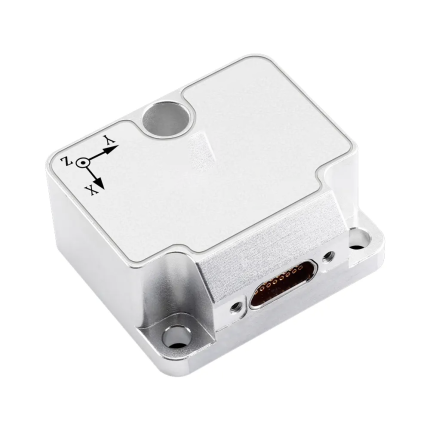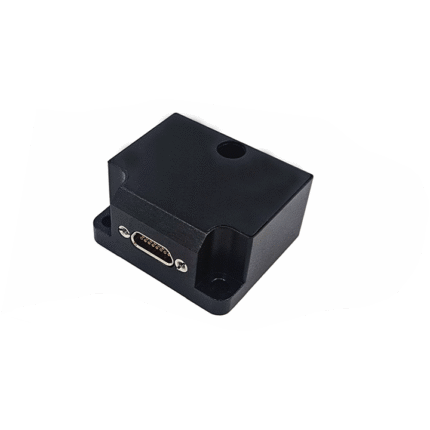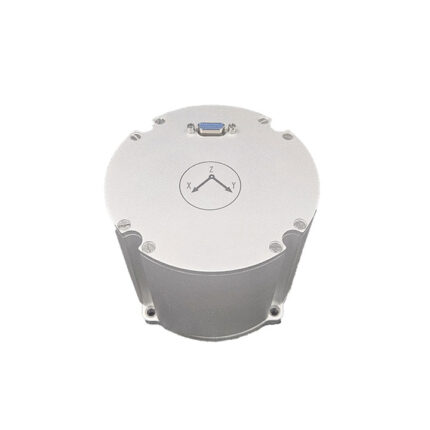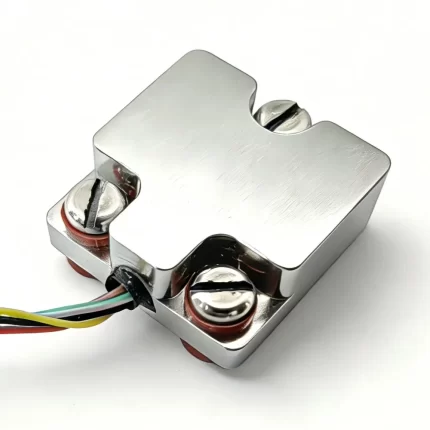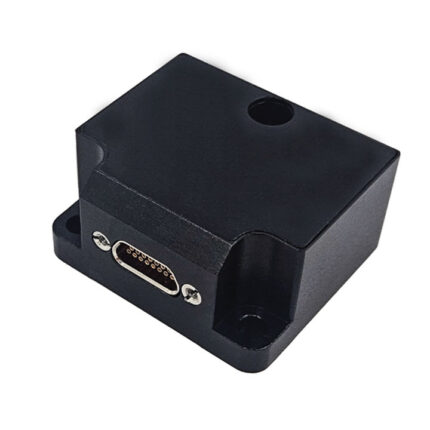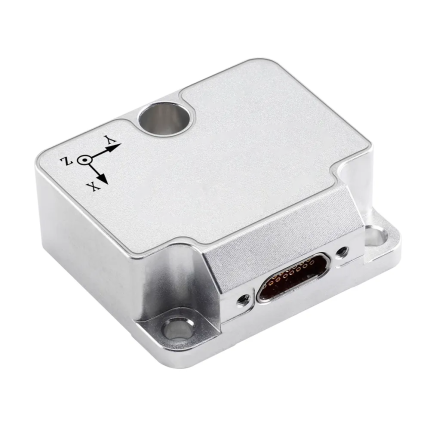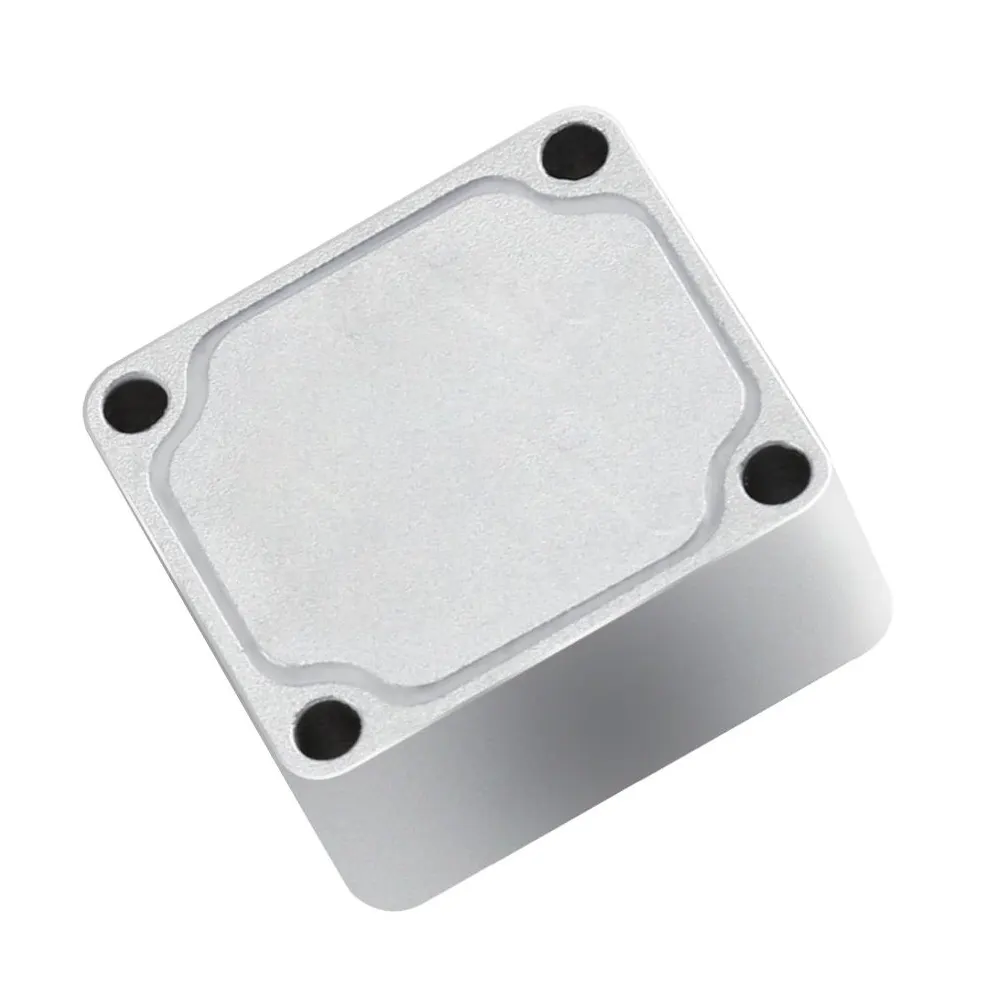
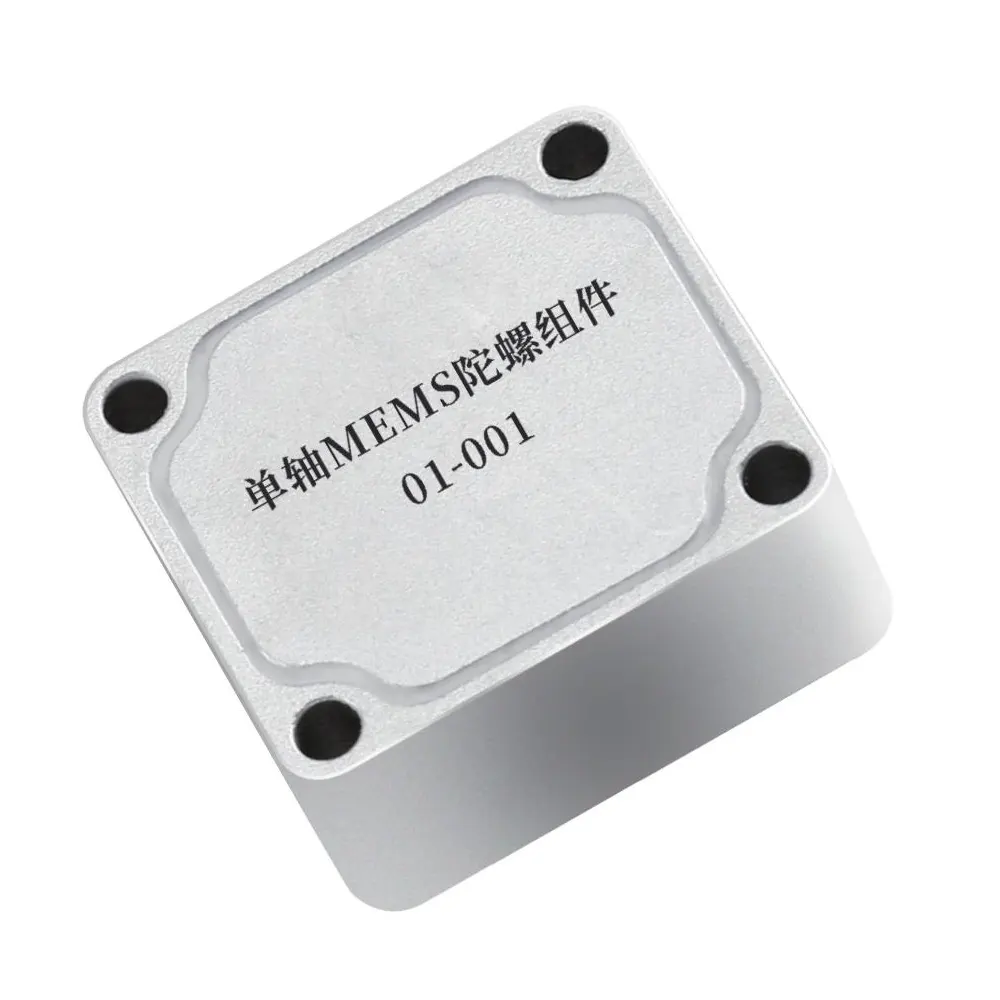
🚨 Industry Pain Points
In high-precision motion sensing applications, traditional gyro systems often face critical limitations:
- Performance drift under temperature variations
- Measurement errors caused by installation misalignment
- Non-linear response affecting long-term stability
- Poor reliability in dynamic or harsh environments
- Limited accuracy in high-speed or vibration-heavy conditions
- Insufficient real-time data stability for control systems
These issues can significantly reduce system accuracy and reliability in aerospace, UAV, navigation, and industrial control applications.
⚙ Product Advantages
This MEMS gyro system is designed to overcome these challenges through advanced engineering:
- ✔ Integrated MEMS gyro chip + temperature sensor + DSP processing unit
- ✔ Flexible connection technology for improved mechanical reliability
- ✔ Built-in full temperature compensation algorithm
- ✔ Installation misalignment angle compensation for improved accuracy
- ✔ Non-linear error correction for enhanced signal stability
- ✔ Maintains high precision in static, dynamic, and harsh environments
- ✔ High-speed RS-422 output for stable and reliable data transmission
- ✔ Real-time output of fully compensated angular velocity measurements
🚁 Product Applications
This sensor system is widely used in precision motion and control fields, including:
- UAV flight control systems
- Inertial navigation systems (INS)
- Aerospace attitude measurement
- Industrial robotics and automation
- Vehicle stability and control systems
- Marine and ship navigation systems
- Gimbal stabilization systems
⭐ Why Choose Us
- High-precision MEMS sensing architecture
- Advanced multi-layer error compensation algorithms
- Stable performance in extreme environmental conditions
- Industrial-grade reliability and long-term stability
- High-speed digital output interface (RS-422)
- Designed for mission-critical navigation and control systems
We deliver reliable, accurate, and robust inertial sensing solutions for demanding engineering applications.
❓ Frequently Asked Questions (FAQ)
Q1: Does the sensor maintain accuracy in extreme temperatures?
Yes, it includes full temperature compensation to ensure stable performance across a wide temperature range.
Q2: How does it handle installation errors?
It includes installation misalignment angle compensation to reduce mounting-related measurement errors.
Q3: What interface does it use for data output?
It uses a high-speed RS-422 serial communication interface for stable data transmission.
Q4: Can it work in vibration or dynamic environments?
Yes, it is designed to maintain accuracy under both static and dynamic conditions, including harsh environments.
Q5: What type of data does it output?
It outputs compensated angular velocity (gyro) data in real time.
| Parameter | unit | fundamental form | A mould | B mould | C mould |
| measuring range | ° /s | ±400 | ±400 | ±400 | ±300 |
| Zero-level offset | ° /h | 15 | 10 | 3 | 5 |
| Zero-pitch instability (@ALLAN variance) | ° /h | 0.3 | 0.1 | 0.05 | 0.2 |
| Zero offset stability (10-second smoothing, 1σ, room temperature) | ° /h | 3 | 1 | 0.4 | 1 |
| Zero bias repeatability | ° /h | 3 | 1 | 0.3 | 0.5 |
| Zero bias error across the entire temperature range | ° /h | 20 | 10 | 2 | 5 |
| random walk | ° / √ h | 0.15 | 0.05 | 0.02 | 0.03 |
| Zero-zero acceleration sensitivity | ° /h/g | 2 | 2 | 2 | 2 |
| resolution ratio | ° /s | 0.0005 | 0.0003 | 0.0001 | 0.0003 |
| Output noise (half-maximum) | ° /s | 0.3 | 0.25 | 0.15 | 0.2 |
| tape width | Hz | 250 | 250 | 150 | 400 |
| Nonlinear scaling factor | ppm | 100 | |||
| Scale factor repeatability | ppm | 100 | |||
| Stabilization start time | s | < 1 | |||
| Data update rate | Hz | 2000 | |||
| voltage | V | 5±0.25 | |||
| starting current | mA | < 120 | |||
| steady state power consumption | W | < 0.4 | |||
| ripple wave | mV | 100 | |||
| working temperature | ℃ | -45~85 | |||
| storage temperature | ℃ | -55~105 | |||
| weight | g | < 15 | |||
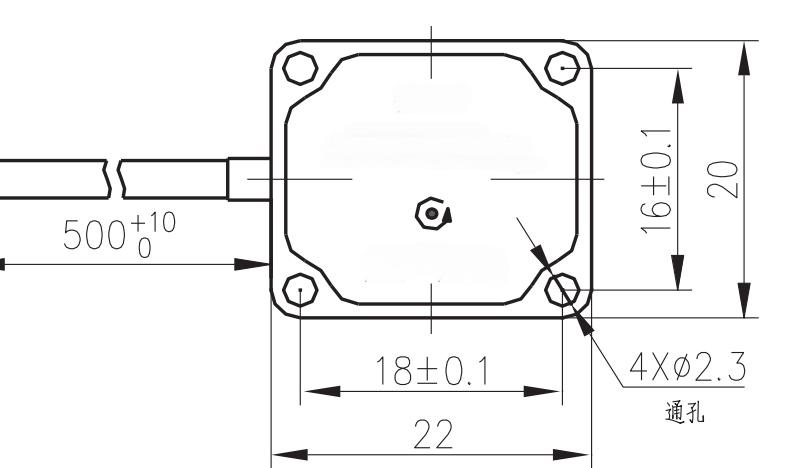
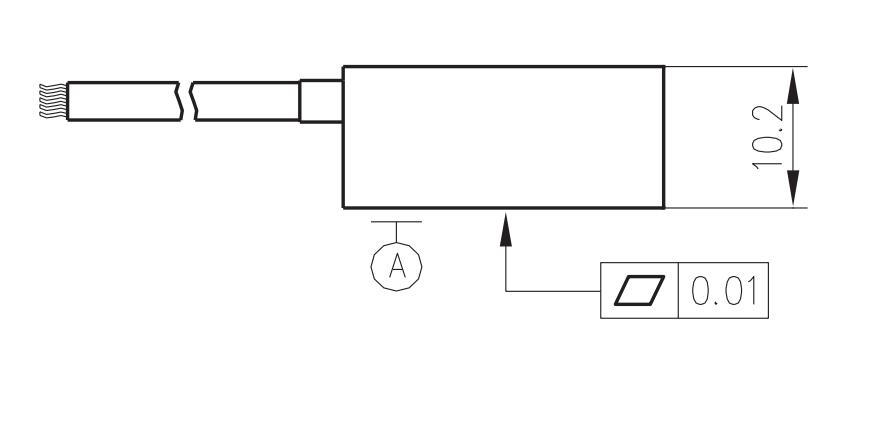
| size | mm | 22*20*10.2 | |||
| Interface | — | RS-422 | |||
 |
 |