


A drone is ultimately only as reliable as the radio link connecting it to its pilot. Whether you are navigating a sub-250 gram FPV quadcopter through a dense concrete structure or operating specialized military drones across rugged topography, losing your control link is an operator’s worst nightmare. In the unmanned aerial vehicle industry, the controller you hold in your hands dictates your precision, your range, and your operational security.
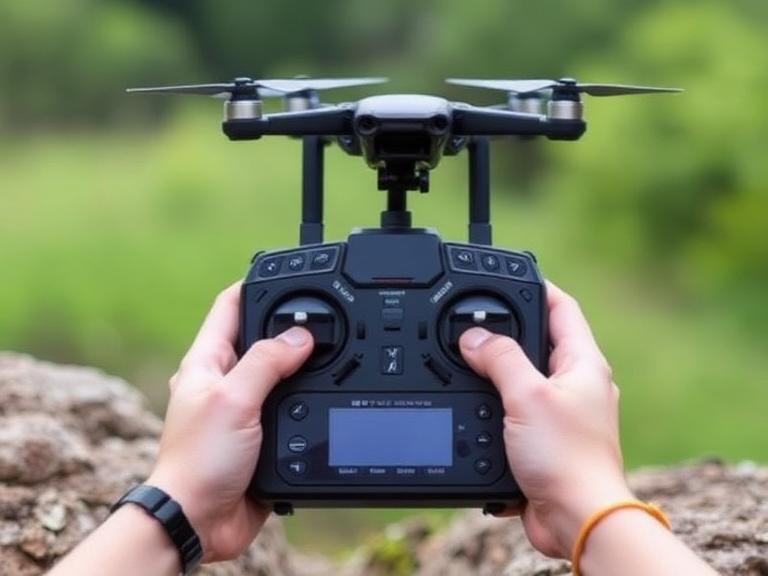
From our experience engineering advanced UAV solutions at China Moneypro, we routinely see operators severely handicap high-performance drones by pairing them with inadequate, toy-grade controllers. You must evaluate latency, protocol security, gimbal mechanics, and mesh network capabilities before making a procurement decision. In this comprehensive guide, we strip away the marketing fluff to reveal the 8 best radio transmitter for drones currently available, providing you with the exact technical realities you need to make an informed upgrade.
Quick Answer: What is the Best Radio Transmitter for Drones?
The best radio transmitter for drones depends heavily on your operational scope. For hobbyists and professional FPV pilots, the RadioMaster TX16S Mark II (paired with ExpressLRS) is the undisputed industry standard due to its open-source flexibility and Hall effect gimbals. For enterprise and tactical applications requiring secure, multi-node communication, the China Moneypro Tactical Mesh Handheld Radio is the premier choice. It provides encrypted, high-bandwidth telemetry and video transmission over expansive mesh networks, making it the superior option for industrial fleet operators.
Table of Contents
- What is a Drone Radio Transmitter?
- How It Works: Protocols and Frequencies
- The Benefits of Upgrading Your Transmitter
- Limitations to Consider
- The 8 Best Radio Transmitter for Drones
- Who Should Use It & Who Does Not Need It
- Common Mistakes When Buying
- Buying Considerations
- Pros vs Cons and Comparison Tables
- Expert Recommendation
- Frequently Asked Questions (FAQ)
What is a Drone Radio Transmitter?
A radio transmitter (often referred to as an RC controller or TX) is the handheld device that an operator uses to send command signals to the receiver (RX) mounted on the drone. It converts the mechanical movements of the control sticks and switches into digital data packets. This data is then broadcast over specific radio frequencies to control the drone’s throttle, pitch, roll, yaw, and auxiliary functions, such as deploying an eo ir gimbal payload or triggering a payload drop.
How It Works: Protocols and Frequencies
Modern radio transmitters rely on complex radio frequency (RF) modules. When you move a stick, the internal processor (operating on firmware like EdgeTX or OpenTX) calculates the exact position using either traditional potentiometers or magnetic Hall effect sensors. In most professional situations, Hall effect sensors are mandatory because they use magnets to detect stick position, eliminating physical friction and preventing stick drift over time.
The transmitter then uses an RF protocol to broadcast this data. Historically, 2.4GHz proprietary protocols (like FrSky ACCST or Spektrum DSMX) dominated the market. However, the industry has aggressively shifted toward LoRa-based (Long Range) protocols like ExpressLRS (ELRS) and TBS Crossfire. These operate on 2.4GHz or 900MHz bands and offer incredibly low latency and penetration through obstacles. For heavy-duty applications, tactical systems utilize mesh radio systems, allowing the signal to hop between multiple nodes (other drones or ground stations) to maintain a secure connection beyond visual line of sight (BVLOS).
The Benefits of Upgrading Your Transmitter
Why replace the controller that came in the box with your drone? The benefits are transformative. Upgrading to one of the best radio transmitter for drones provides vastly improved range and signal penetration, preventing failsafes behind trees or buildings. You gain access to open-source firmware, allowing infinite customization of switches, audio warnings, and logical programming. Furthermore, a premium transmitter allows you to bind to dozens of different drones using a single controller, streamlining your fleet logistics.
Limitations to Consider
There are limitations. High-end transmitters introduce a steep learning curve. Configuring EdgeTX firmware and flashing receiver modules requires technical patience. Additionally, if you operate closed-ecosystem consumer camera drones (like consumer-grade DJI Mavics), you cannot bind them to open-source transmitters like a RadioMaster; you are locked into the manufacturer’s proprietary controllers.
The 8 Best Radio Transmitter for Drones
Based on rigorous field deployment and technical analysis, here is our definitive ranking of the top controllers across all operational sectors.
1. RadioMaster TX16S Mark II (Best Overall for Prosumers)
The TX16S MKII is the undisputed heavy champion of the FPV and custom UAV world. Featuring a large color touchscreen, V4.0 Hall effect gimbals, and an internal 4-in-1 multiprotocol module (or internal ELRS), it can control almost any receiver on the market. It runs on EdgeTX and features CNC aluminum components for premium durability. In our testing, its ergonomics and limitless programmability make it the best investment for pilots flying multiple custom builds.
2. TBS Tango 2 Pro (Best for Compact FPV)
For pilots who prioritize portability without sacrificing range, the Tango 2 Pro is exceptional. Modeled after a video game controller, it features folding Hall sensor gimbals and a built-in TBS Crossfire module. It is the go-to choice for cinematic FPV pilots who travel frequently and require the rock-solid reliability of the 900MHz Crossfire protocol for medium-to-long-range flights.
3. China Moneypro Tactical Mesh Handheld Radio (Best for Commercial & Tactical Fleets)
When you transition from hobbyist flights to industrial fleet management, standard RC protocols fail. The China Moneypro Tactical Mesh Handheld Radio is engineered for heavy-duty applications requiring BVLOS operations, swarm control, and encrypted data streams. It is a cornerstone for uav manufacturers in china developing industrial solutions.

China Moneypro Tactical Mesh Handheld Radio Transmitter/Receiver Devices with Battery
This tactical mesh radio is not just a controller; it is a comprehensive command node. Operating on customizable frequency bands with AES256 encryption, it supports up to 52 network nodes. It seamlessly transmits text, picture, video, and audio data with a maximum data rate of 90Mbps, making it indispensable for coordinating night vision military drones and complex logistics UAVs.
4. DJI RC Plus (Best for Enterprise DJI)
For commercial users locked into the DJI enterprise ecosystem (Matrice series, Inspire 3), the DJI RC Plus is the pinnacle of integrated control. It features a massive 7-inch, 1200-nit ultra-bright display, physical programmable buttons, and an IP54 rating for harsh weather. It utilizes O3 Pro transmission for flawless HD video feeds over incredible distances.
5. FrSky Tandem X20 (Best Premium Ergonomics)
FrSky reinvented their lineup with the Tandem X20, a radio that broadcasts simultaneously on 2.4GHz and 900MHz (Dual-Band) for unprecedented signal redundancy. It features a stunning color touchscreen placed at the top of the radio for easy viewing, CNC mechanics, and their proprietary ETHOS operating system, which bridges the gap between traditional menu systems and open-source flexibility.
6. Jumper T-Pro V2 (Best Budget Gamepad Style)
For beginners looking for a highly capable, budget-friendly entry point, the Jumper T-Pro V2 is an excellent gamepad-style transmitter. It features an internal ELRS module up to 1000mW, providing top-tier range in a package that fits easily into a backpack. It lacks the extensive switches of a full-size radio but is perfect for freestyle FPV pilots.
7. Futaba 16IZ (Best for Traditional RC Reliability)
Futaba remains a giant in the traditional RC and commercial heavy-lift sectors. The 16IZ is renowned for its bulletproof FASSTest transmission protocol and unparalleled gimbal smoothness. While it lacks the open-source modding community of RadioMaster, its reliability makes it a staple for pilots flying $20,000 cinema lifters who cannot afford a single dropped packet.
8. Spektrum iX14 (Best for BNF Airplanes and Traditionalists)
Spektrum’s iX14 combines their trusted DSMX protocol with an Android-based touchscreen interface. It is the absolute easiest radio to use if you frequently purchase Bind-N-Fly (BNF) aircraft from Horizon Hobby. The setup process is seamless, making it highly recommended for fixed-wing pilots and traditional RC enthusiasts who prefer a polished, user-friendly interface over open-source tinkering.
Who Should Use It & Who Does Not Need It
For commercial users, industrial inspectors, and serious FPV pilots, upgrading your transmitter is mandatory. You must have absolute confidence in your control link, especially when integrating a wireless transmission module for critical data relays. A premium radio provides the necessary telemetry alarms, long-range protocols, and ergonomic comfort for multi-hour flights.
Who does not need it? If you strictly fly off-the-shelf consumer photography drones (like a basic DJI Mini) for casual weekend photography, you do not need a third-party transmitter. Your drone’s proprietary controller is already optimized for that specific ecosystem, and third-party radios will not bind to it.
Common Mistakes When Buying
The most common mistake is purchasing a radio with an outdated internal protocol. Buying a radio with an older FrSky ACCST or FlySky AFHDS module limits your range and receiver options. We recommend ensuring your new radio natively supports ExpressLRS (ELRS), as it has become the definitive standard for range, latency, and affordability.
Another frequent error is ignoring ergonomics. A massive, box-style radio like the TX16S is feature-rich, but if you have small hands or “pinch” the sticks rather than using your thumbs, a gamepad-style radio like the Tango 2 might yield better flight control. Try to hold a radio before committing to it.
Buying Considerations
When selecting the best radio transmitter for drones, apply strict commercial and practical judgment to these features:
- Gimbal Type: Insist on Hall effect gimbals. They use magnets instead of physical wipers, eliminating wear and tear and ensuring lifelong precision.
- Expansion Bays: Ensure the radio has a JR or Nano module bay on the back. This allows you to snap in external modules (like Crossfire or a high-power ELRS module) if you change protocols in the future.
- Operating System: EdgeTX is the current gold standard for open-source radios, offering touchscreen support and rapid updates.
- Battery Bay: Look for radios that accept standard 18650 or 21700 lithium-ion cells. Proprietary batteries are expensive and difficult to replace in the field.
Pros vs Cons and Comparison Tables
| Pros | Cons |
|---|---|
| Vastly superior range and signal penetration (BVLOS capable). | Steep learning curve for operating systems like EdgeTX. |
| Hall effect gimbals provide unmatched physical precision. | Requires binding and configuring individual receivers. |
| One controller can bind to an entire fleet of custom drones. | Incompatible with consumer closed-ecosystem camera drones. |
| Modular expansion bays allow for future protocol upgrades. | High-end models carry a significant upfront cost. |
| Protocol | Primary Use Case | Strengths | Weaknesses |
|---|---|---|---|
| ExpressLRS (ELRS) | FPV, Custom Builds, Long Range | Open-source, incredibly low latency, cheap receivers, massive range. | Firmware matching between TX and RX can be technically tedious. |
| TBS Crossfire | Cinematic FPV, Prosumer | Rock-solid reliability on 900MHz, highly polished ecosystem. | Closed-source, hardware is generally more expensive than ELRS. |
| Tactical Mesh (China Moneypro) | Industrial, Military, Swarms | Encrypted, multi-node hopping, integrated high-bandwidth video/data. | Overkill for hobbyists; designed specifically for enterprise deployment. |
Expert Recommendation
If you are building a fleet of custom UAVs, updating your drone communication systems is your highest priority. For the absolute best versatility in the prosumer and professional FPV space, we unequivocally recommend the RadioMaster TX16S Mark II. Its combination of EdgeTX, multi-protocol support, and premium hardware cannot be matched at its price point.
However, if you are operating on an industrial scale—coordinating multi-node deployments or assessing global military drone comparison standards—traditional RC protocols are insufficient. In these heavy-duty applications, we recommend integrating the China Moneypro Tactical Mesh Handheld Radio. Its AES256 encryption and mesh routing capabilities provide the impenetrable, high-bandwidth command link demanded by modern tactical operations.
Frequently Asked Questions (FAQ)
What is ELRS on a drone transmitter?
ExpressLRS (ELRS) is an open-source, high-performance radio control link designed for RC applications. It utilizes LoRa (Long Range) hardware to achieve incredibly low latency and massive range, vastly outperforming older 2.4GHz protocols. It has quickly become the standard protocol for FPV and custom drone pilots.
Can I use one transmitter for multiple drones?
Yes. If you use an open-source transmitter like a RadioMaster or Jumper, you can create multiple “models” within the software. You simply install a compatible receiver in each drone, bind them to your radio, and switch profiles on the screen depending on which drone you want to fly.
Do I need a Ham radio license to use a drone transmitter?
In many jurisdictions, operating standard 2.4GHz transmitters at lower power levels (under 100mW) does not require a license. However, if you attach external modules (like Crossfire or high-power ELRS) and broadcast at high wattage (e.g., 500mW or 1W) on specific frequency bands, you may legally require an Amateur Radio (Ham) license depending on your country’s regulations.
What are Hall effect gimbals?
Traditional gimbals use physical potentiometers (wipers on a carbon track) to measure stick movement, which wear out and cause “stick drift” over time. Hall effect gimbals use magnets and sensors to detect stick position without physical contact. This results in smoother feeling sticks, greater precision, and a significantly longer lifespan.
Authoritative References & Industry Standards
To ensure operational compliance and technical accuracy regarding radio frequency transmissions and UAV control systems, we consult the following authoritative bodies: