


When engineering high-altitude drones or procuring payload delivery systems, the propulsion architecture dictates your operational limits. The terminology surrounding jet propulsion is frequently misused, even among commercial procurement officers. The broad term “jet engine” is often incorrectly used interchangeably with “turbofan.” From our experience designing advanced aerial platforms at Moneypro Uav, failing to understand the mechanical distinctions between these engines leads to catastrophic inefficiencies in fuel burn, range, and acoustic signature.
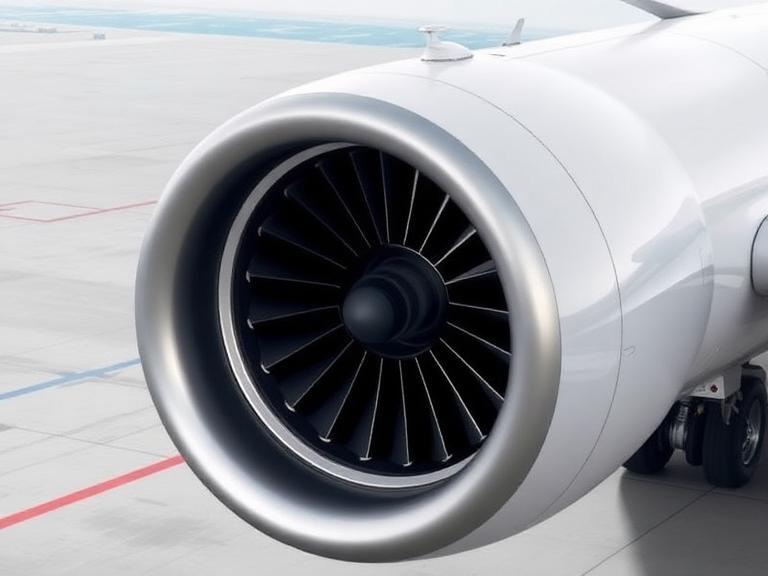
If you are outfitting Military and Police Drones for high-speed intercept missions, your engine requirements differ vastly from a high-endurance loitering munition. In most professional situations, you must move beyond generic thrust ratings and analyze the bypass ratio, exhaust velocity, and thermal efficiency. In this uncompromising guide, we will dissect the 8 core differences between turbofan and jet engine (specifically referring to pure turbojets), break down the physics of bypass air, and provide hard, commercial judgment on which engine architecture you should integrate into your aerial assets.
Quick Answer: Turbofan vs. Pure Turbojet
A “jet engine” is an umbrella term, but when compared directly, it usually refers to a pure turbojet. Here is the definitive breakdown:
- The Core Mechanism: A pure turbojet routes 100% of the intake air through the combustion chamber. A turbofan features a massive fan at the front that pushes a large percentage of air around the combustion core (bypass air).
- Fuel Efficiency: Turbofans are vastly superior at subsonic and low-supersonic speeds because they accelerate a large mass of air to a lower velocity. Turbojets consume immense amounts of fuel to accelerate a small mass of air to extreme velocities.
- Acoustic Signature: The bypass air in a turbofan acts as an acoustic shroud, muffling the roar of the hot exhaust. Pure turbojets are notoriously, deafeningly loud.
- The Verdict: For 95% of commercial aviation and heavy-lift Specialized Drones, the turbofan is the only financially viable option. Pure turbojets are obsolete except for specific, high-supersonic military applications (like older interceptors or missiles).
Table of Contents
- What Are These Engines?
- How Bypass Mechanics Work
- The 8 Core Differences Detailed
- Commercial & Military Benefits
- Limitations and Hard Truths
- Who Should Use Turbofans
- Who Still Uses Pure Turbojets
- Expert Procurement Considerations
- Summary and Comparison Tables
- Expert Recommendation: Moneypro Uav
- Frequently Asked Questions (FAQ)
What Are These Engines?
To establish a baseline, a pure turbojet is the original jet engine. It operates on the Brayton cycle: air is sucked into a compressor, squeezed to high pressure, mixed with jet fuel, ignited in a combustion chamber, and blasted out the exhaust nozzle. The expanding exhaust gases spin a turbine, which keeps the front compressor spinning. 100% of the thrust comes from the high-velocity, super-heated exhaust jet.
A turbofan is an evolutionary leap over the turbojet. It utilizes the same core (compressor, combustor, turbine) but adds an additional, larger turbine at the rear, which is connected via a central shaft to a massive fan at the very front of the engine. This front fan acts like a ducted propeller, pushing a massive volume of “cold” air around the outside of the hot core. This cold air (bypass air) provides the majority of the engine’s thrust.
How Bypass Mechanics Work
The defining metric of a turbofan is the Bypass Ratio (BPR). This is the ratio of air that bypasses the core versus the air that goes through the core. Modern commercial airliners utilize high-bypass turbofans with ratios of 10:1 or higher (meaning 10 parts of air bypass the core for every 1 part that goes inside to be burned). Military fighters use low-bypass turbofans (ratios around 0.3:1 to 1:1) to keep the engine diameter narrow for supersonic aerodynamics while still gaining some efficiency over a pure turbojet.
The 8 Core Differences Between Turbofan and Jet Engine (Turbojet)
1. Thrust Generation
In a pure turbojet, 100% of thrust is generated by the hot exhaust gas exiting the rear nozzle. In a modern high-bypass turbofan, up to 80% of the total thrust is generated by the cold bypass air pushed by the front fan, while the hot core exhaust provides only the remaining 20%.
2. Fuel Efficiency (Specific Fuel Consumption)
Turbofans are exponentially more fuel-efficient at subsonic speeds (Mach 0.8 to 0.9). Physics dictates that generating thrust by accelerating a large mass of air moderately (turbofan) requires less energy than accelerating a small mass of air violently (turbojet). For Industrial Drones requiring long loiter times, turbofans are mandatory.
3. Acoustic Signature (Noise Level)
Pure turbojets produce extreme noise pollution due to the violent shear forces generated when high-velocity hot exhaust hits stagnant atmospheric air. In a turbofan, the slower, colder bypass air envelops the hot exhaust core, acting as an acoustic dampener. This is critical for covert operations utilizing EO/IR Gimbal camera payloads where stealth is required.
4. Optimal Flight Speed
Turbofans excel at subsonic and trans-sonic speeds. However, pushing a massive, flat fan face through the air creates immense aerodynamic drag at supersonic speeds. Pure turbojets have a very narrow frontal area, making them aerodynamically optimal for sustained high-supersonic flight (Mach 2.0+).
5. Engine Diameter and Frontal Area
Turbofans are inherently fat. The massive front fan requires a large nacelle (engine casing). Turbojets are essentially metal tubes, making them highly compact. If you are designing a cruise missile or a sleek interceptor drone where internal space is at a premium, the narrow profile of a turbojet is advantageous.
6. Low-Speed Acceleration and Static Thrust
Because a turbofan moves a massive volume of air, it generates tremendous static thrust (thrust at zero airspeed). This allows heavy aircraft to accelerate rapidly on short runways. A pure turbojet has very poor static thrust and requires long runways to build up enough airspeed (ram pressure) to operate efficiently.
7. Complexity and Weight
A pure turbojet is mechanically simple: one shaft, one compressor, one turbine. A turbofan is vastly more complex, utilizing multiple concentric shafts (spools) spinning at different speeds, planetary gearboxes (in geared turbofans), and a massive titanium or composite front fan. This makes turbofans significantly heavier and more expensive to manufacture and maintain.
8. Foreign Object Damage (FOD) Vulnerability
The massive intake area of a turbofan acts like a vacuum cleaner, making it highly susceptible to ingesting birds, runway debris, or ice. While the bypass duct allows some debris to bypass the critical core, damage to the expensive fan blades is common. Turbojets, with smaller intakes, are slightly less prone to sweeping up runway debris.
Commercial & Military Benefits
For commercial operators and fleet managers evaluating Turbo Engines, the turbofan represents the pinnacle of operational efficiency. The fuel savings alone amortize the higher initial purchase price within the first few years of flight operations. For military applications, the massive electrical generation capacity of the turbofan core is vital for powering advanced Radar Systems and directed-energy countermeasures.
Limitations and Hard Truths
We must present practical judgment: turbofans have limits. If your mission profile requires sustained Mach 2.5 intercept capabilities, a high-bypass turbofan will fail. The drag created by the fan face will overheat and disintegrate. This is why 5th-generation fighter jets use highly specialized low-bypass turbofans with variable-geometry intakes and afterburners, effectively turning the turbofan into a pseudo-turbojet during combat maneuvers.
Who Should Use Turbofans
For commercial users and heavy-duty applications: Airliners, cargo transports, business jets, and high-altitude, long-endurance (HALE) reconnaissance UAVs must use turbofans. The endurance, fuel efficiency, and runway performance are non-negotiable for profitable or prolonged operations.
Who Still Uses Pure Turbojets
For highly specialized military applications: The pure turbojet is functionally extinct in manned aviation, but it thrives in disposable weaponry. Cruise missiles, high-speed target drones, and certain loitering munitions utilize pure turbojets (or even simpler ramjets) because they are cheap, expendable, compact, and optimized for high-speed, one-way trips.
Expert Procurement Considerations
If you are integrating a propulsion system into a drone equipped with Wireless Broadband Mesh Network Radios for persistent surveillance, you need loiter time, not Mach 1.5 dash speed. Evaluate the bypass ratio. A higher bypass ratio means better fuel economy at subsonic speeds but a wider engine profile. You must calculate the exact drag penalty of the wider nacelle against the fuel savings over your desired mission radius.
Summary and Comparison Tables
Quick Summary Table: Turbofan vs. Turbojet
| Feature | Turbofan (High Bypass) | Pure Turbojet |
|---|---|---|
| Primary Thrust Source | Cold Bypass Air (~80%) | Hot Exhaust Core (100%) |
| Subsonic Fuel Efficiency | Excellent | Poor (High fuel burn) |
| Supersonic Performance | Poor (High drag) | Excellent |
| Noise Profile | Moderate (Bypass air shrouds noise) | Extremely Loud |
Comparison Table: Best Engine by Mission Profile
| Mission Requirement | Recommended Architecture | Reasoning |
|---|---|---|
| HALE Reconnaissance (Subsonic) | High-Bypass Turbofan | Maximum fuel efficiency for 24+ hour endurance. |
| 5th Gen Fighter / Interceptor | Low-Bypass Turbofan (with Afterburner) | Balances cruise efficiency with supersonic dash capability. |
| Cruise Missile / Target Drone | Pure Turbojet / Micro-Turbojet | Cheap, compact, expendable, high-speed optimization. |
Expert Recommendation: Moneypro Uav Solutions
In most professional situations, specifying the correct propulsion unit requires deep engineering integration. If you are developing heavy-lift platforms or high-endurance UAVs, we recommend securing a high-efficiency turbofan engine that offers a proven thrust-to-weight ratio.
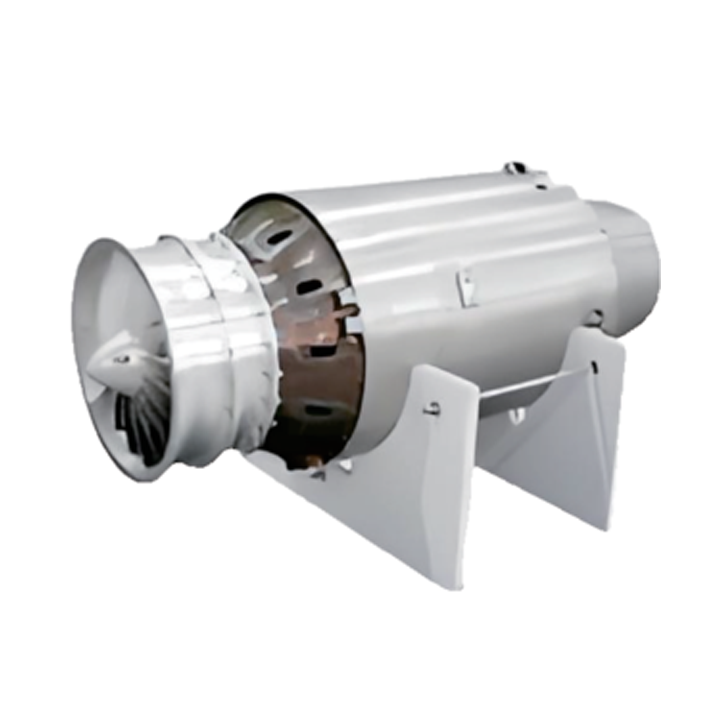
MWS300 Turbofan Engine
For commercial and military developers requiring reliable, efficient thrust for medium-to-large unmanned aerial vehicles, the MWS300 provides the optimal balance of power and compact design. It utilizes advanced turbofan architecture to ensure sustained, fuel-efficient flight operations.
- Maximum Thrust: 385 daN (Decanewtons), providing massive lift capability.
- Dimensions: Maximum outer diameter of 340mm; Total length of 875mm.
- Weight: Ultra-lightweight at 65 kg, maximizing available payload capacity for sensors or munitions.
By leveraging precision-engineered engines like the MWS300, operators can confidently deploy payloads such as Infrared Thermal & Laser Sensing systems knowing they possess the endurance and stability required for mission success.
Frequently Asked Questions (FAQ)
Do turbofan engines use different fuel than turbojets?
No. Both engine architectures burn the exact same aviation turbine fuel (typically Jet A, Jet A-1, or JP-8 military grade). The difference lies entirely in the mechanical architecture and how the engine processes the intake air, not the chemical combustion itself.
Can a turbofan engine go supersonic?
Yes, but only if it is a low-bypass turbofan designed specifically for military fighters (such as the Pratt & Whitney F135). High-bypass turbofans used on commercial airliners cannot go supersonic efficiently; the massive fan at the front creates a shockwave and excessive aerodynamic drag that makes supersonic flight physically and economically unviable.
Why don’t drones use piston engines instead of turbofans?
Many smaller, low-altitude drones do use piston engines (like the MQ-1 Predator) because they are cheap and highly fuel-efficient at low speeds. However, piston engines lose significant power at high altitudes due to thin air. Turbofans compress the thin air, allowing high-altitude, high-speed operations (like the MQ-9 Reaper) that piston engines cannot achieve.
Authoritative Industry References
To ensure our aerodynamic and propulsion data meets rigorous aerospace standards, we reference the following authorities:
- NASA Glenn Research Center: Foundational research on the Brayton cycle, bypass ratio mechanics, and specific fuel consumption metrics for modern gas turbines. Visit NASA Aeronautics
- Federal Aviation Administration (FAA): Regulatory standards for turbine engine certification, noise abatement, and fuel efficiency mandates. Visit the FAA
- Jane’s Defence Weekly: The premier authority on military aerospace procurement, detailing the tactical applications of low-bypass turbofans and expendable turbojets in modern unmanned systems. Visit Janes