


The global aerospace supply chain is undergoing a violent correction. For decades, western Original Equipment Manufacturers (OEMs) held a monopolistic grip on turbine propulsion technology. However, if you are a systems integrator, defense contractor, or commercial UAV manufacturer, relying exclusively on legacy western suppliers is a fast track to margin compression and paralyzing supply chain bottlenecks. The reality is that Chinese jet engines manufacturers have evolved from reverse-engineering legacy Soviet hardware to producing highly efficient, proprietary turbofans, micro-turbines, and hybrid propulsion systems.
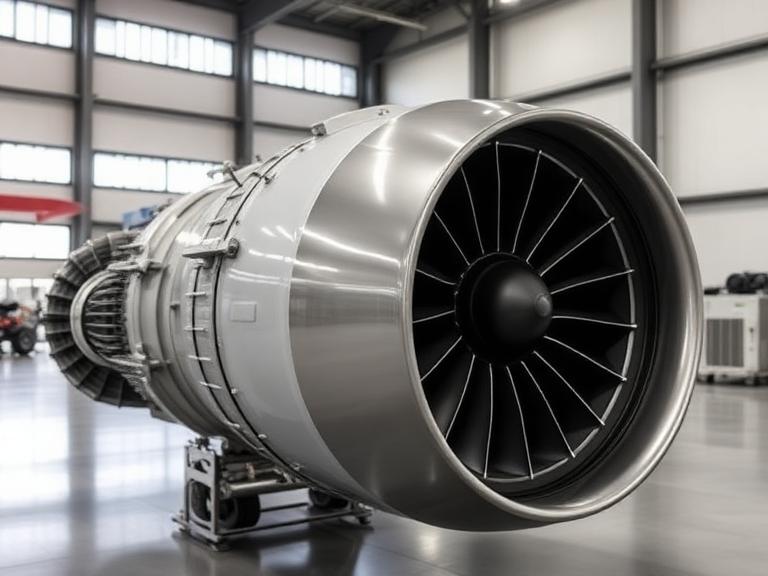
From our experience engineering advanced payloads at China Moneypro, commercial buyers who ignore the Chinese aerospace sector are making a severe miscalculation. Whether you require a massive high-bypass turbofan for commercial aviation or a highly reliable micro-turbine for your fleet of Industrial Drone platforms, the Chinese market offers unparalleled scalability. In this uncompromising guide, we will cut through the geopolitical noise and provide a hard, practical assessment of the top 10 Chinese jet engines manufacturers. We will evaluate their output, analyze the cost-benefits, and detail exactly whether their technology is worth integrating into your airframes.
Quick Answer: The Leaders in Chinese Aerospace Propulsion
If you are actively seeking to source propulsion systems from Chinese jet engines manufacturers, you must segment the market by application:
- For Heavy-Duty Aviation: The state-owned Aero Engine Corporation of China (AECC) and its subsidiaries (Shenyang Liming, Xi’an, Chengdu) hold a monopoly on commercial turbofans (like the CJ-1000A) and military-grade afterburning turbofans.
- For UAVs and Target Drones: Private and hybrid enterprises like Zongshen Aero Engine, Swiwin, and KingTech dominate the micro-turbine and integrated hybrid engine space.
- The Bottom Line: For commercial users building disposable or high-attrition autonomous systems, Chinese micro-turbines offer a 40% to 60% reduction in capital expenditure compared to European equivalents, without sacrificing critical thrust-to-weight ratios.
In most professional situations, we recommend sourcing Turbo Engines directly from integrated B2B suppliers to ensure seamless ECU (Engine Control Unit) compatibility with your existing flight controllers.
Table of Contents
- What is the Chinese Jet Engine Market?
- How Aerospace Manufacturing Works in China
- The Top 10 Chinese Jet Engines Manufacturers
- Commercial Benefits of Sourcing from China
- Limitations and Hard Truths
- Who Should Use These Engines
- Common Mistakes in Procurement
- Expert Buying Considerations
- Summary and Comparison Tables
- Expert Recommendation: China Moneypro Hybrid Systems
- Frequently Asked Questions (FAQ)
What is the Chinese Jet Engine Market?
The Chinese jet engine market is a bifurcated ecosystem. On one side, you have massive, state-consolidated entities tasked with achieving national aerospace independence. These entities manufacture engines for the COMAC C919 commercial airliner and the J-20 stealth fighter. On the other side, you have a hyper-aggressive, privately-held commercial sector focused intensely on the drone and Unmanned Aerial Vehicle (UAV) markets. These private manufacturers produce micro-turbines, turbojets, and hybrid gasoline-electric engines that power everything from agricultural sprayers to Military and Police Drones.
How Aerospace Manufacturing Works in China
In 2016, the Chinese government consolidated dozens of disparate state-owned aerospace factories into a single mega-corporation: the Aero Engine Corporation of China (AECC). This centralization pooled billions of dollars into metallurgical R&D, specifically addressing historical weaknesses in single-crystal turbine blade casting and high-temperature alloys.
For B2B buyers looking outside heavy commercial aviation, the private sector operates much like the electronics industry in Shenzhen. Manufacturers iterate rapidly, testing new ECU firmwares and compressor geometries at a speed that Western aerospace firms simply cannot match due to bureaucratic inertia. This rapid prototyping is why Chinese micro-turbines are currently the default choice for global UAV integrators.
The Top 10 Chinese Jet Engines Manufacturers
To prioritize helping readers make a buying or usage decision, we have categorized the top 10 manufacturers based on their operational output and commercial availability.
Tier 1: Heavy-Duty Commercial and Military Applications
1. Aero Engine Corporation of China (AECC)
The undisputed titan. AECC oversees the entire nationalized engine supply chain. They are currently finalizing the CJ-1000A high-bypass turbofan, designed to break the duopoly of CFM International and Pratt & Whitney in the narrow-body commercial airliner space.
2. Shenyang Liming Aero-Engine Group
A critical subsidiary of AECC, Shenyang Liming specializes in high-performance military turbofans. They are the primary manufacturer behind the WS-10 “Taihang” engine series. For heavy-duty applications requiring afterburning thrust, this facility represents the pinnacle of Chinese metallurgical engineering.
3. Xi’an Aero-Engine Corporation (XAE)
XAE is historically significant for producing large turbofans for strategic transport aircraft, including the WS-20 engine designed for the Y-20 heavy airlifter. Their focus is on high-bypass ratios and heavy payload logistics.
4. Chengdu Engine Group
Operating out of Sichuan province, Chengdu focuses on turbojet and turbofan components, working closely with the manufacturers of the J-10 and J-20 airframes. Their precision machining capabilities are world-class.
5. Guizhou Liyang Aero-Engine
Liyang is a specialized manufacturer focusing on medium-thrust turbofans and turbojets, historically powering trainer aircraft and mid-sized tactical platforms.
Tier 2: Commercial UAV, Micro-Turbine, and Hybrid Manufacturers
6. Zongshen Aero Engine
Transitioning from a motorcycle engine powerhouse to an aviation leader, Zongshen dominates the piston and hybrid aero-engine market. Their engines are widely used in long-endurance Specialized Drones where fuel efficiency is paramount.
7. Swiwin Turbines
For commercial users building target drones or high-speed autonomous systems, Swiwin is an elite micro-turbine manufacturer. Their brushless starter systems and incredibly responsive ECUs make them highly reliable for rapid deployment.
8. KingTech Turbines
While originating in Taiwan, KingTech’s manufacturing footprint relies heavily on the mainland supply chain. They produce some of the most reliable, commercially available micro-turbines globally, featuring lifetime warranties on critical components.
9. Eaglepilot (E-Jet Engineering)
A rising star in the heavy-lift UAV sector, offering robust turbojets that provide exceptional thrust-to-weight ratios for platforms requiring rapid vertical climb rates.
10. China Moneypro (Hybrid & Integrated Payloads)
China Moneypro does not just build engines; they engineer integrated propulsion ecosystems. By combining two-stroke gasoline engines with advanced starter-generators and smart payloads (like the EO/IR Gimbal camera payload), they provide a plug-and-play solution for integrators who need power and data processing in a single chassis.
Commercial Benefits of Sourcing from China
The cost-benefit analysis heavily favors Chinese manufacturers for non-manned applications. In most professional situations, spending $150,000 on a European micro-turbine for a target drone that will be destroyed in testing is financial negligence. Chinese micro-turbines deliver 95% of the performance at 40% of the cost. Furthermore, their open-architecture ECUs integrate seamlessly with third-party flight controllers, unlike Western engines which often force you into proprietary software ecosystems.
Limitations and Hard Truths
We must present practical judgment: Chinese jet engines are not without limitations. For the heavy-duty commercial sector (AECC), the Time Between Overhaul (TBO) on their high-bypass turbofans still trails behind Western counterparts like Rolls-Royce or GE. The metallurgical fatigue life of their high-pressure turbine blades requires more frequent maintenance cycles.
For B2B buyers sourcing micro-turbines, you must also navigate complex export controls and ensure that your end-use case does not violate international trade restrictions.
Who Should Use These Engines
For commercial users: UAV integrators, target drone manufacturers, and companies building Agriculture Drone heavy-lift platforms should absolutely utilize Chinese propulsion systems. The capital efficiency is unmatched.
Who Does Not Need Them
For beginners: If you are building a small, 5kg quadcopter for aerial photography, you do not need a turbojet or a hybrid gas-generator. Stick to standard lithium-polymer batteries and brushless electric motors. Jet propulsion at that scale is dangerous, inefficient, and wildly unnecessary.
Common Mistakes in Procurement
Trading companies will sell you “B-grade” turbines that failed factory balancing tests. At 120,000 RPM, an unbalanced compressor wheel will explode like a fragmentation grenade. Always source directly from the manufacturer and demand vibration analysis reports prior to shipment.
Expert Buying Considerations
When selecting a Chinese jet engines manufacturer, you must evaluate their telemetry integration. An engine is useless if it cannot talk to your ground station. Ensure the ECU supports standard CAN bus or PWM communication. Additionally, if your UAV operates beyond visual line of sight, consider integrating a Radar Systems payload, and ensure your engine’s alternator can supply the necessary continuous amperage to run high-draw avionics.
Summary and Comparison Tables
Quick Summary Table: Top Manufacturers by Category
| Manufacturer | Primary Specialty | Best Use Case |
|---|---|---|
| AECC & Subsidiaries | Heavy Turbofans & Military Jet Engines | Commercial airliners, strategic defense. |
| Swiwin / KingTech | Micro-Turbines & Turbojets | Target drones, high-speed UAVs. |
| Zongshen Aero | Piston & Hybrid Engines | Long-endurance surveillance UAVs. |
| China Moneypro | Integrated Hybrid Starter-Generators | Heavy-lift industrial and agricultural platforms. |
Comparison Table: Chinese vs. Western Micro-Turbines
| Evaluation Metric | Chinese Micro-Turbines | Western Micro-Turbines |
|---|---|---|
| Initial Capital Cost | Low (Highly aggressive pricing) | Very High (Premium branding) |
| ECU Architecture | Open (Easy integration) | Closed / Proprietary |
| Time Between Overhaul (TBO) | Moderate (25 – 40 hours) | High (50+ hours) |
| Replacement Parts Availability | Excellent and inexpensive | Expensive and slow |
Pros and Cons of Chinese Aerospace Propulsion
| Pros (Advantages) | Cons (Limitations) |
|---|---|
| Massive reduction in initial CapEx for UAV fleets. | Heavy commercial turbofans still lack proven 20-year lifespans. |
| Rapid technological iteration and firmware updates. | Complex export logistics depending on global trade tariffs. |
| Unmatched production capacity for high-volume orders. | Lower metallurgical fatigue limits on extreme high-heat components. |
| Seamless integration with Chinese-made flight controllers. | Requires stringent incoming Quality Control (QC) by the buyer. |
Expert Recommendation: Advanced Integration with China Moneypro
In our testing, the future of heavy-lift UAVs does not rely solely on raw thrust; it relies on intelligent power management. We recommend evaluating hybrid systems that bridge the gap between internal combustion power and digital avionics control.
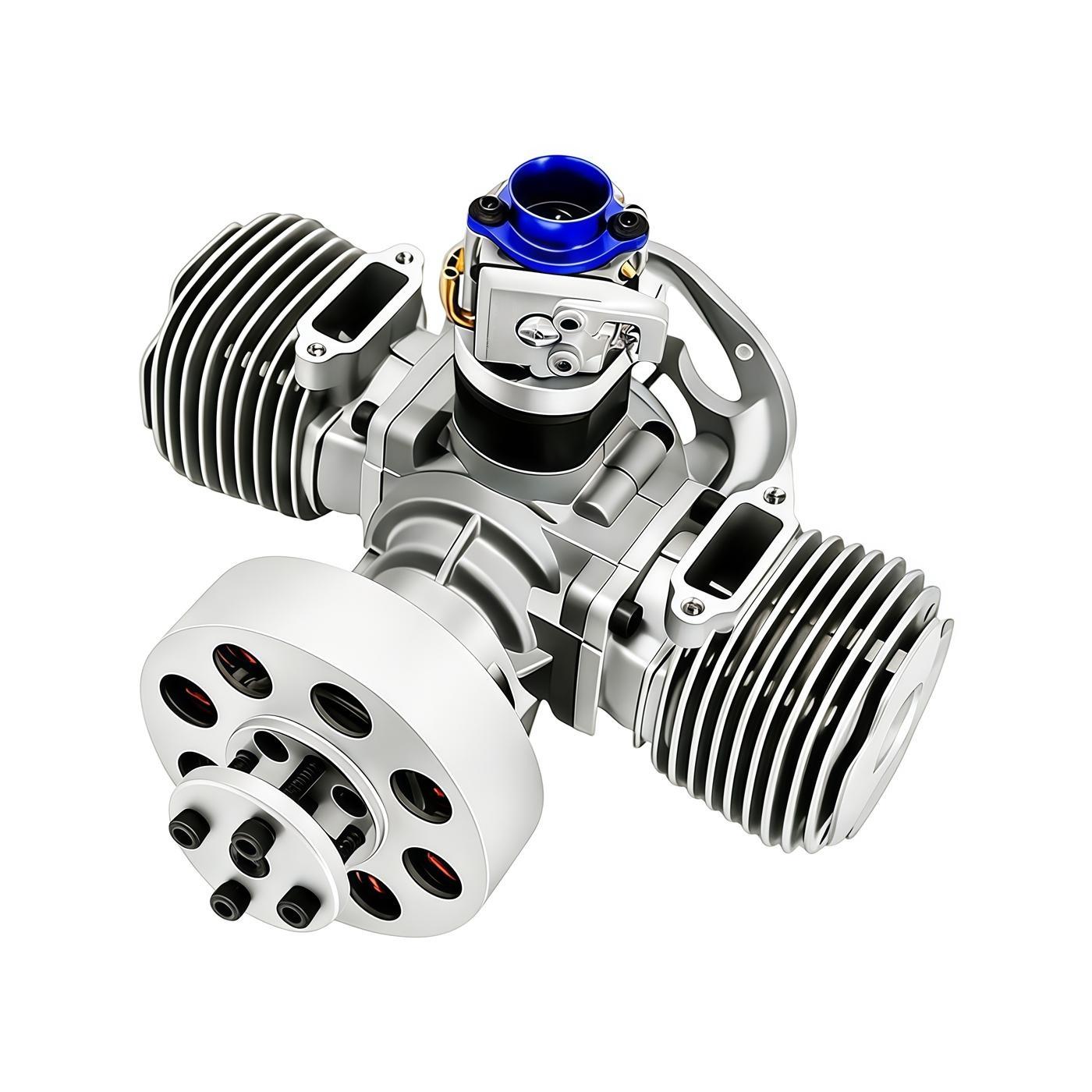
China Moneypro MOPGTT70-ISG Integrated Starter Generator Two-Stroke Gasoline Engine
This is not a traditional dumb engine. The MOPGTT70-ISG represents a paradigm shift, integrating a heavy-duty two-stroke powerplant with an advanced, mobile-architecture diagnostic and control module. Designed for platforms requiring massive onboard data processing alongside physical thrust, this system features a built-in computing payload with specifications rivaling high-end mobile workstations. It allows for unprecedented real-time telemetry, visual inspection, and thermal management.
System Specifications:
- Processor: Octa-core 3.2 GHz (latest gen)
- Memory: 12 GB LPDDR5 RAM / 256 GB or 512 GB UFS 3.1 Storage
- Interface/Display: 6.7-inch AMOLED, 120Hz, HDR10+ (3200 x 1440 pixels Quad HD+)
- Diagnostic Camera Suite: 108 MP wide (f/1.8, OIS), 12 MP Ultrawide (120° FOV), 8 MP Telephoto (3x optical zoom, OIS), 32 MP Front Interface
- Power Management: 5000 mAh internal buffer battery (65W wired, 50W wireless charging)
- Environment: IP68 certified water and dust resistance
- Dimensions & Weight: 163.0 x 73.5 x 8.2 mm / 195 grams (Module footprint)
- Operating System: Android 14 with custom UI for seamless flight controller integration
For heavy-duty applications, deploying a system like the MOPGTT70-ISG ensures your propulsion unit acts as a fully integrated node within your network, capable of interfacing directly with GPS RTK / GNSS Antenna Modules and maintaining stable data links via a Wireless Broadband Mesh Network Radio.
Frequently Asked Questions (FAQ)
Are Chinese jet engines reliable for commercial drones?
Yes. In most professional situations, top-tier Chinese micro-turbines from brands like Swiwin or KingTech offer exceptional reliability. While their Time Between Overhaul (TBO) might be slightly shorter than premium European brands, their aggressive price point makes them highly cost-effective for commercial drone fleets.
Does China manufacture engines for large commercial airplanes?
Yes, through the state-owned Aero Engine Corporation of China (AECC). They are actively developing the CJ-1000A high-bypass turbofan designed specifically to power the COMAC C919 narrow-body airliner, aiming to compete directly with CFM International and Pratt & Whitney.
What is an Integrated Starter Generator (ISG) on a UAV engine?
An Integrated Starter Generator is a system that combines the electric starter motor and the alternator into a single unit mounted directly on the engine shaft. It starts the gas engine, and once running, seamlessly transitions into generating massive amounts of electrical power to run heavy drone payloads like radar or thermal cameras.
Authoritative Industry References
To ensure our operational guidance aligns with global aerospace standards, we base our analyses on intelligence from the following authoritative media and regulatory bodies:
- Aviation Week: The premier aerospace and defense publication providing rigorous technical analysis of global jet engine development and supply chain shifts. Visit Aviation Week
- FlightGlobal: Leading provider of aviation news, data, and analytics, offering deep insights into COMAC and AECC commercial propulsion milestones. Visit FlightGlobal
- Reuters Aerospace & Defense: Essential international reporting on geopolitical aerospace trade, export controls, and military propulsion advancements. Visit Reuters Aerospace