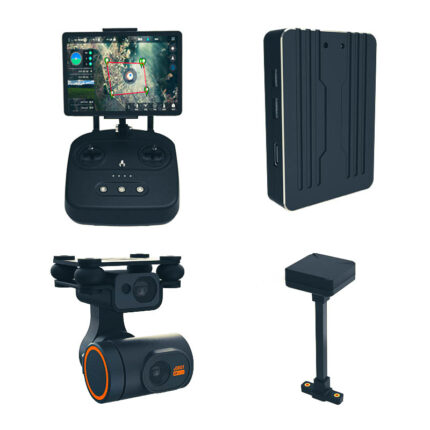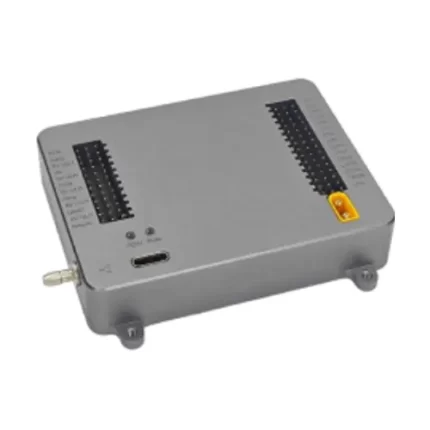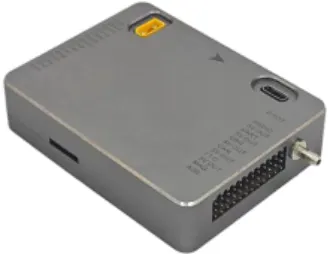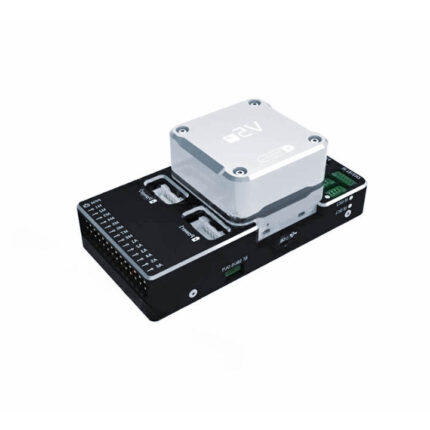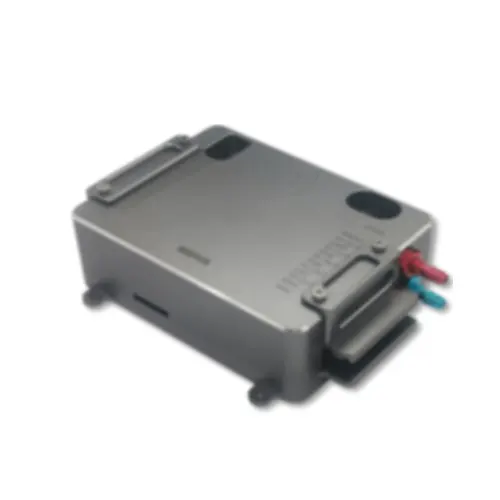
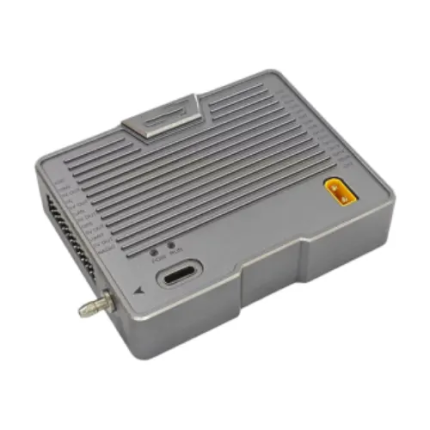
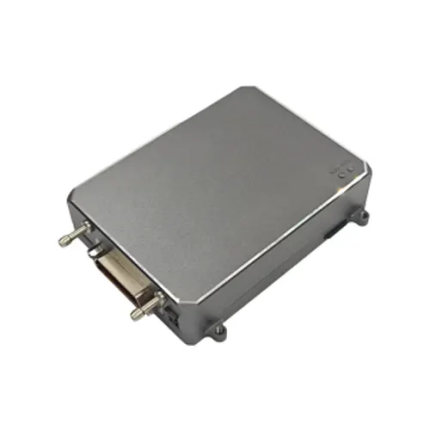
🚨 Industry Pain Points
In modern UAV and unmanned aircraft operations, users often face several critical challenges:
- GPS signal instability or loss in complex environments (sea, mountains, urban interference)
- Lack of reliable multi-engine compatibility across platforms
- Limited real-time engine monitoring capabilities
- Poor safety redundancy in flight control systems
- Difficulties in ship-based or mobile takeoff/landing operations
- High dependency on single navigation systems (GPS-only risk)
These issues significantly reduce flight safety, mission reliability, and operational flexibility.
⚙ Product Advantages
Our flight control system is engineered to solve these industry challenges:
- ✔ Supports gasoline-powered fixed-wing UAVs and hybrid VTOL aircraft
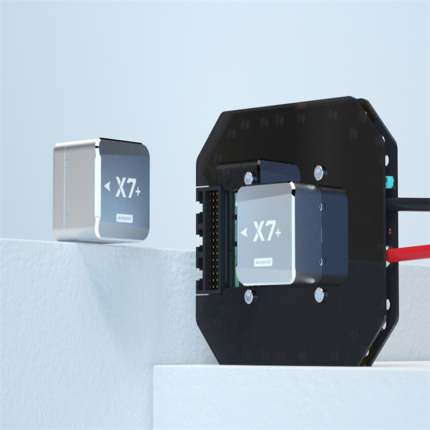
- ✔ Triple-redundant sensor architecture ensures high reliability and flight safety
- ✔ Compatible with multiple mainstream engine brands and configurations
- ✔ Intelligent engine control: automatic ignition and shutdown functions
- ✔ Real-time monitoring of fuel level, RPM, cylinder temperature, and engine status
- ✔ Supports ship-based mobile takeoff and landing (optional system integration)
- ✔ Fully supports GPS-denied flight using pure inertial navigation (INS)
🚁 Product Applications
This system is widely used in demanding UAV mission scenarios, including:
- Long-range surveillance UAVs
- Maritime UAV operations and ship-based deployment
- Border patrol and security monitoring
- Agricultural and forestry inspection aircraft
- Emergency response and disaster monitoring
- Industrial inspection (oil, gas, power line, infrastructure)
⭐ Why Choose Us
- High-reliability aviation-grade control architecture
- Strong adaptability for different UAV platforms
- Designed for harsh environments and GPS-denied missions
- Modular design supporting easy integration with engines and payload systems
- Proven performance in complex mission scenarios
- Professional support for customization and system integration
We focus on delivering stable, intelligent, and mission-ready flight control solutions for professional UAV applications.
❓ Frequently Asked Questions (FAQ)
Q1: Does the system support GPS-free flight?
Yes, it supports fully autonomous flight using inertial navigation (INS) without GPS.
Q2: Can it be used with different engine types?
Yes, it is compatible with multiple mainstream gasoline engine systems.
Q3: Does it support VTOL aircraft?
Yes, it supports hybrid VTOL (fixed-wing + vertical takeoff/landing) configurations.
Q4: Can engine parameters be monitored in real time?
Yes, it supports real-time monitoring of fuel level, RPM, cylinder temperature, and more.
Q5: Is ship-based takeoff supported?
| Parameter | Specification |
|---|---|
| IMU Sensors | 3 |
| GPS Modules | 2 |
| Power Supply | 8–60V |
| Operating Temperature | -20 ~ +85 °C |
| Built-in IMU Damping | × |
| Built-in RTK | × |
| Built-in Dual-Antenna Heading | × |
| Payload Support (Gimbal/Seeker) | √ |
| Engine Support | √ |
| Airspeed Measurement Method | Dynamic + Static Pressure |
| Power Consumption | < 3W |
| Attitude Accuracy | 0.1° |
| Heading Accuracy | 2° |
| Gyroscope Range | ±450 °/s |
| Accelerometer Range | ±8g |
| Positioning Accuracy | 2.5 m |
| Velocity Accuracy | 0.1 m/s |
| Airspeed Measurement Range | 0–220 m/s (optional) |
| PWM Channels | 14 |
| SBUS Input Channels | 1 |
| Voltage Monitoring Channels | 2 |
| Voltage Monitoring Range | 0–60V (optional high-voltage module) |
| CAN Interface | 1 |
| Serial Ports | 4 × TTL |
| Ethernet | 0 |
| Dimensions | 82 × 63 × 28 mm |
| Weight | 124 g |