
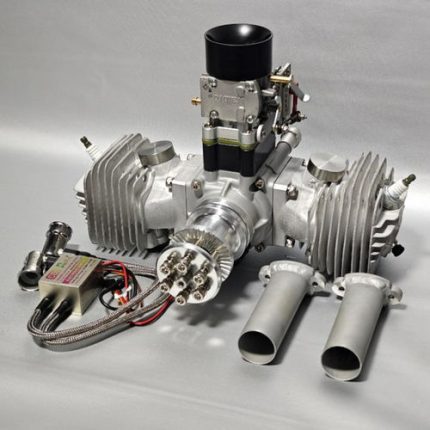
Revolutionizing Aerial Performance: The ngh WGT275 Gas Engine
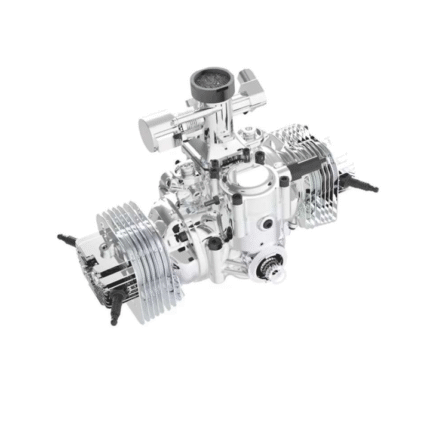
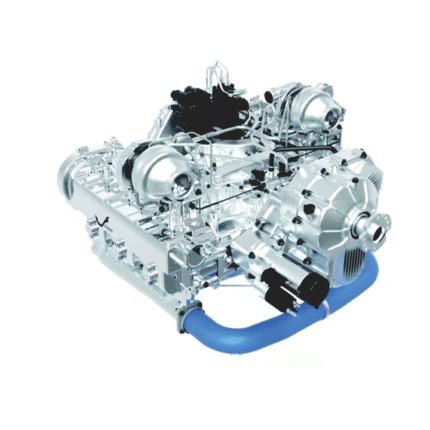
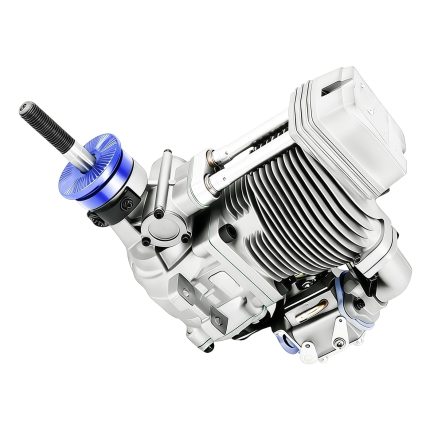
When it comes to powering heavy-lift unmanned aerial vehicles, nothing beats the reliability and raw torque of a well-engineered gas engine. The ngh WGT275 stands out as a formidable powerhouse, designed for enthusiasts and professionals who demand unwavering performance. Whether you are building a custom UAV for agricultural surveying, cinematography, or industrial inspection, understanding the specifications of this engine is the first step toward mission success. Let’s dive into what makes the WGT275 a top-tier choice for serious aerial operations.
Unpacking the Core Specifications of the ngh WGT275
Displacement and Power Output: The Heart of the Machine
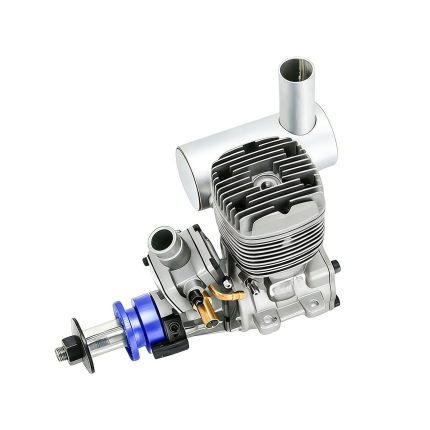
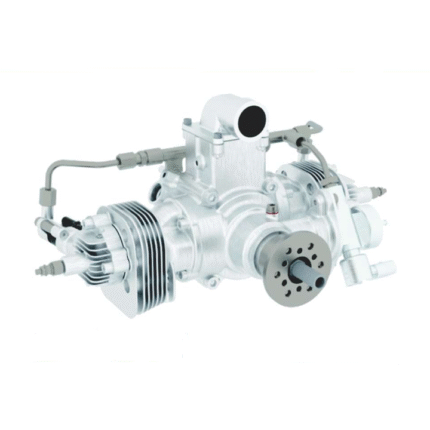
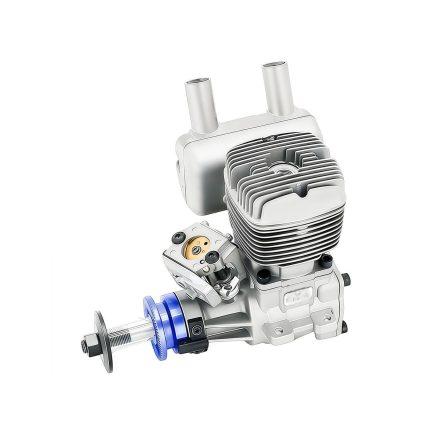
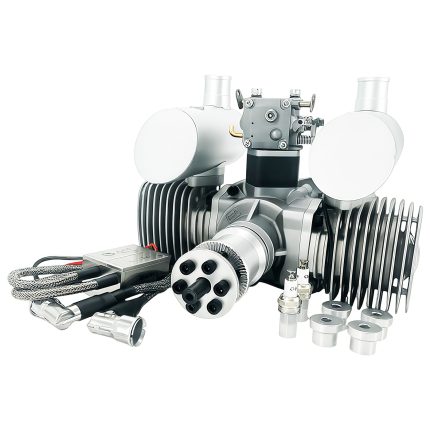
At the core of this engine lies a robust 275cc displacement, which directly translates to a generous output of 15.5KW. This power band is perfectly suited for maintaining stable flight in challenging conditions while carrying substantial payloads. The ngh WGT275 is engineered to convert fuel into thrust efficiently, ensuring that your aircraft can handle long-duration flights without sacrificing power. The balance between displacement and output is critical here; you are getting industrial-grade power in a package that respects weight constraints.
| Parameter | Specification |
|---|---|
| Displacement | 275 cc |
| Output Power | 15.5 kW |
Starting Flexibility: Remote Control and Manual Power Start
No one wants to struggle with engine ignition on the field. The ngh WGT275 offers dual start modes: remote control start and manual power start. This flexibility means you can prime and fire up the engine from a safe distance, or fall back on a manual start if needed. This redundancy is a lifesaver during critical pre-flight checks, especially when your rig is fully loaded and ready to go. The remote feature is particularly valuable for large-scale drones where access to the ignition switch might be limited.
Fuel and Operational Endurance
Fuel Composition and Mixture Requirements
This engine runs on 93/97 octane gasoline mixed with high-quality two-stroke oil. The precise oil mixture is essential for lubrication and cooling at high RPMs. Using the correct fuel blend ensures that the piston rings and cylinder walls remain in peak condition, extending the engine’s lifespan. The requirement for premium fuel reflects the engine’s high-compression design, which demands clean combustion for maximum efficiency and power delivery.
| Fuel Parameter | Requirement |
|---|---|
| Fuel Type | 93/97 Octane Gasoline |
| Oil Mix | Gasoline + 2-Stroke Oil |
Maximum Flight Life and Ceiling
With a maximum operational life of 4 hours per tank, the ngh WGT275 is built for endurance missions. This extended runtime is a game-changer for mapping large areas or conducting persistent surveillance. Additionally, the engine can handle altitudes up to 4000 meters under no-load conditions. This high ceiling capacity means you can operate in mountainous terrain or high-altitude plateaus without losing power, as long as you account for the thinner air at those elevations.
| Performance Metric | Specification |
|---|---|
| Maximum Flight Duration | 4 Hours |
| Maximum Ceiling (No Load) | 4000 m |
Physical Dimensions and Structural Design
Rotor Diameter and Overall Length
The main rotor diameter measures 3145mm, which provides significant lift for heavy payloads. This large rotor disc area allows for efficient hover performance and stable autorotation in emergencies. The full length from the front of the main rotor to the tail is 3630mm, indicating a generous moment arm that improves yaw stability and control authority during aggressive maneuvers.
| Dimension | Measurement |
|---|---|
| Main Rotor Diameter | 3145 mm |
| Full Length (Rotor to Tail) | 3630 mm |
Maximum Width and Height Options
At its widest point, the aircraft measures 800mm when equipped with a high tripod. The height varies depending on the landing gear configuration: 1080mm for the short tripod and 1280mm for the high tripod. This adaptability allows you to choose a stance that suits your landing terrain or provides additional ground clearance for sensors and cameras mounted underneath the fuselage.
| Configuration | Dimension |
|---|---|
| Maximum Width (High Tripod) | 800 mm |
| Height (Short Tripod) | 1080 mm |
| Height (High Tripod) | 1280 mm |
Payload Capacity and Takeoff Weight
Maximum Takeoff Weight and Rated Payload
This engine supports a maximum takeoff weight (MTOW) of 100 kg. Within that envelope, you can allocate up to 40 kg of payload under rated atmospheric pressure conditions. This 40% payload-to-weight ratio is excellent for this class of engine, enabling you to carry heavy imaging systems, LiDAR units, or even small packages for delivery. The WGT275 is clearly built for professionals who need to lift substantial gear without compromise.
| Weight Parameter | Capacity |
|---|---|
| Maximum Takeoff Weight | 100 kg |
| Payload Capacity (Rated) | 40 kg |
Conclusion: The ngh WGT275 as Your Power Solution
Selecting the right engine for your heavy-lift drone is a decision that impacts every flight. The ngh WGT275 provides a balanced combination of power, endurance, and structural compatibility that few alternatives can match. Its 15.5KW output, 4-hour flight life, and 40 kg payload capacity make it a workhorse for demanding applications. From the dual start modes to the high-altitude tolerance, every specification is designed to deliver consistent performance. If you are looking to build a reliable, long-range aerial platform, the WGT275 deserves your full attention. Invest in this engine, and you invest in mission success.