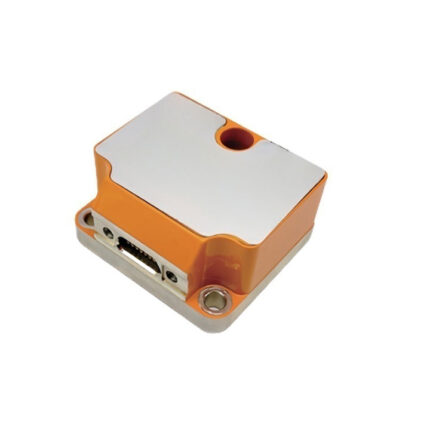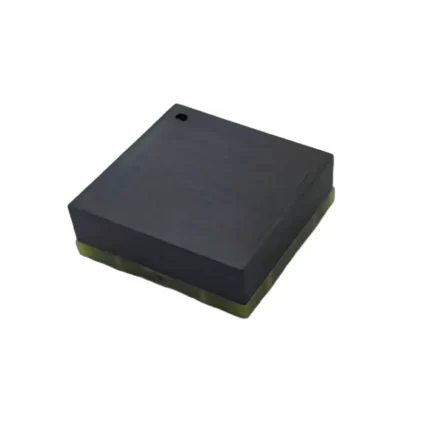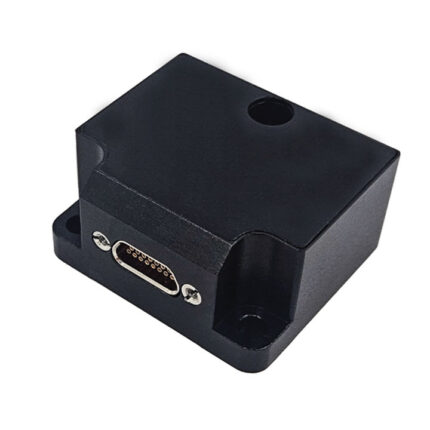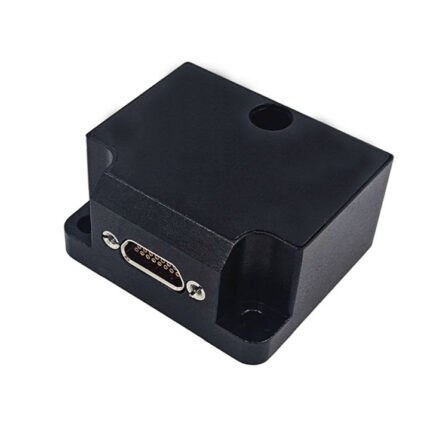
🚨 Industry Pain Points
In modern control and navigation systems, users often face critical challenges:
- Measurement drift caused by temperature variations
- Installation misalignment leading to accuracy loss
- Nonlinear sensor errors under dynamic motion
- Unstable output in harsh environmental conditions
- Lack of robust compensation algorithms in low-cost sensors
These problems directly impact system stability, control accuracy, and overall operational safety.
⚙ Product Advantages
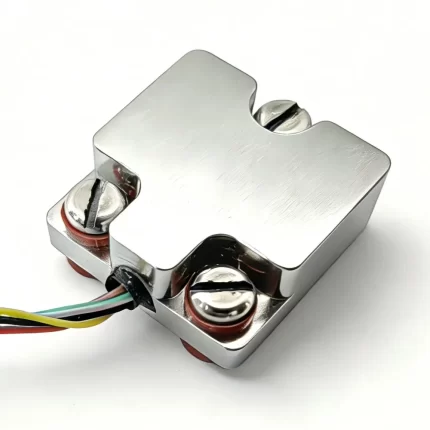
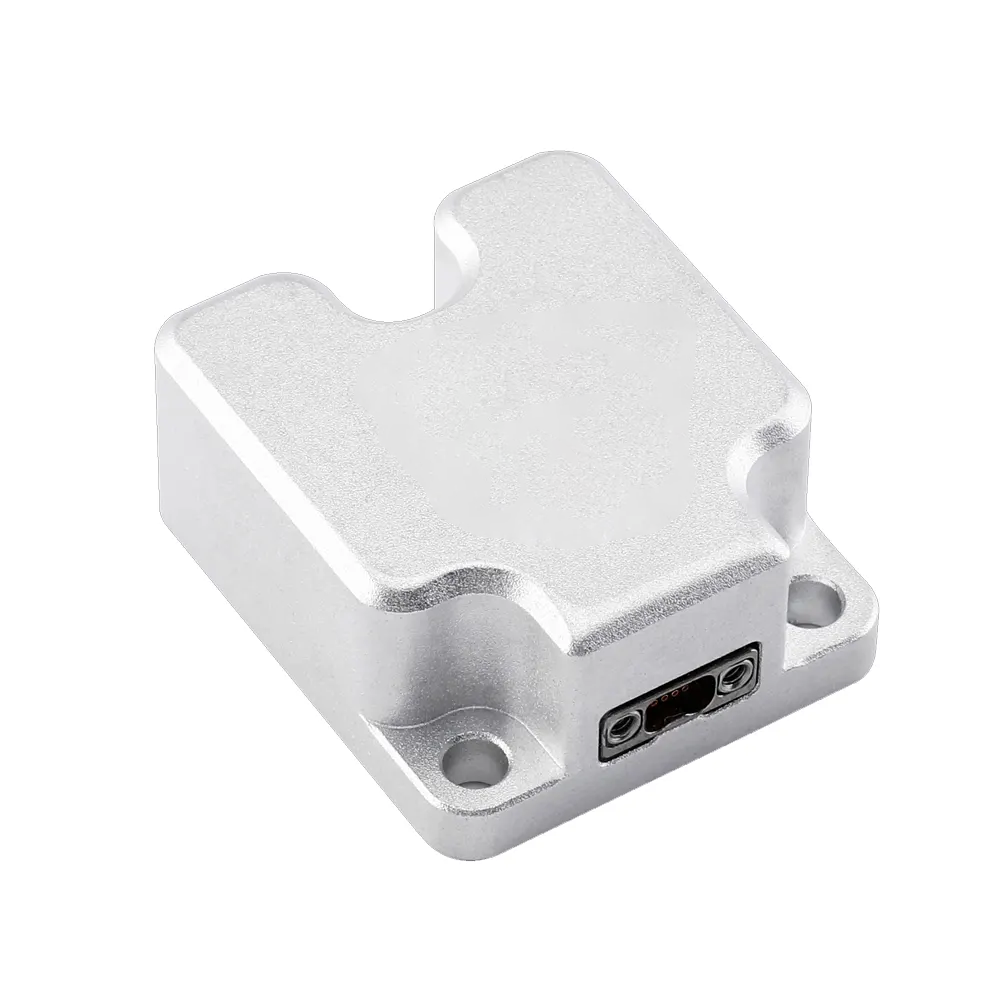
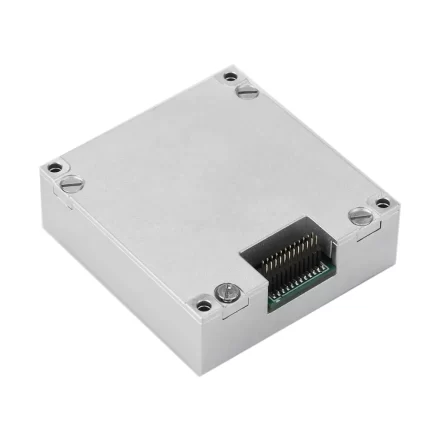
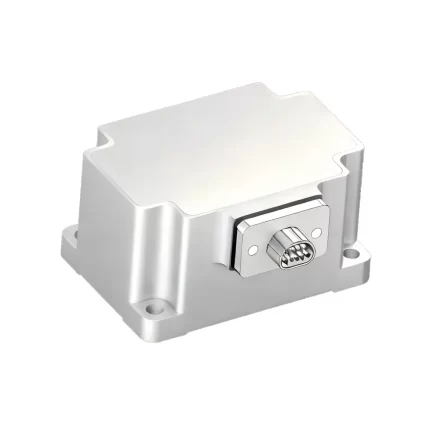
This attitude control sensor system is designed to overcome these limitations through advanced engineering:
- ✔ Dual-axis attitude sensing for stable orientation measurement
- ✔ Integrated temperature sensor for real-time thermal compensation
- ✔ Digital signal processing (DSP) board for high-speed data processing
- ✔ Built-in full temperature compensation algorithm
- ✔ Installation misalignment error compensation
- ✔ Nonlinear error correction for improved accuracy
- ✔ Reliable performance under static, dynamic, and harsh environments
- ✔ Stable and high-precision output data for control systems
🧭 Application Direction
This product is primarily used in:
- UAV attitude control systems
- Fixed-wing and VTOL flight stabilization
- Robotic motion control systems
- Industrial automation and precision positioning
- Marine and vehicle navigation systems
- Stabilization platforms and gimbal systems
⭐ Why Choose Our System
- High-precision multi-compensation algorithm architecture
- Strong adaptability for complex dynamic environments
- Stable output even under temperature fluctuations and vibration
- Easy integration into various control systems
- Designed for mission-critical attitude control applications
- Proven reliability in industrial and aerospace scenarios
We focus on delivering stable, accurate, and engineering-grade attitude sensing solutions for demanding applications.
❓ Frequently Asked Questions (FAQ)
Q1: Does the sensor work in harsh environments?
Yes, it is designed to operate reliably under harsh, dynamic, and temperature-varying conditions.
Q2: What compensation functions are built into the system?
It includes temperature compensation, installation misalignment compensation, and nonlinear error correction.
Q3: Is the output data stable during motion?
Yes, the system is optimized for both static and dynamic conditions to ensure stable output.
Q4: What is the main application of this product?
It is mainly used for attitude control in UAVs, robotics, and industrial stabilization systems.
Q5: Does it require external calibration?
No, most compensation is built-in, reducing the need for frequent manual calibration.
| Parameter | unit | A mould |
| Measurement range (customizable) |
° |
±15 (customizable) |
| Full-temperature measurement accuracy |
° |
0.01 |
| tape width |
Hz |
10 |
| Stabilization start time |
s |
1 |
| Working voltage (DC) |
V |
5~24 |
| Working Current |
mA |
80 |
| Data update rate |
Hz |
20 |
| working temperature | ℃ | -40~60 |
| storage temperature | ℃ | -55~105 |
|
weight |
g |
22.5 |
|
size |
mm |
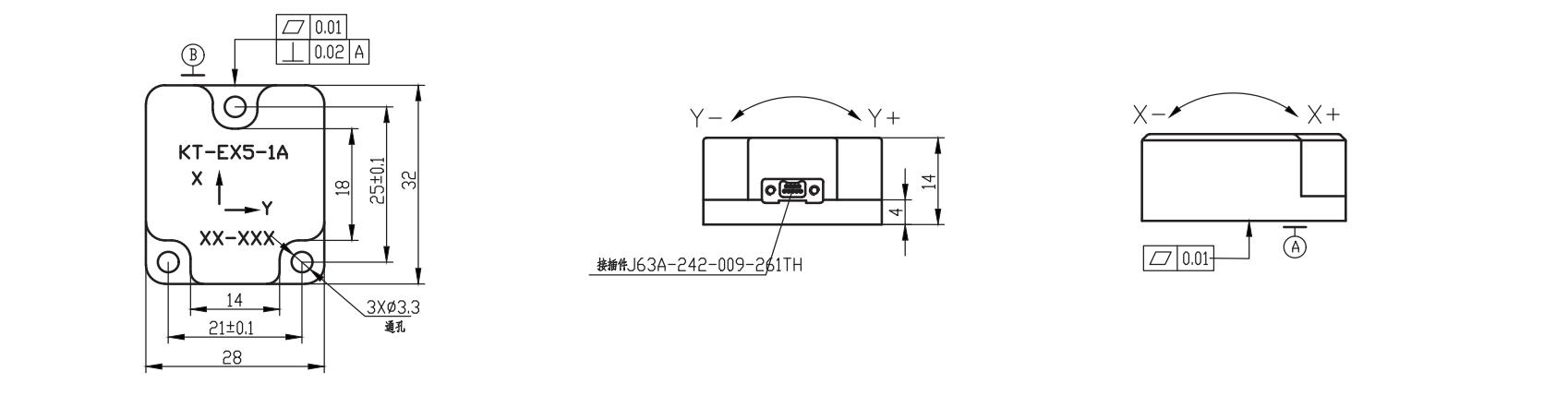
32*28*14 |
|
Interface |
—— |
RS-422 |