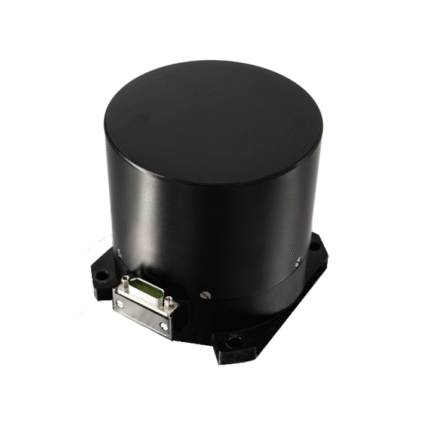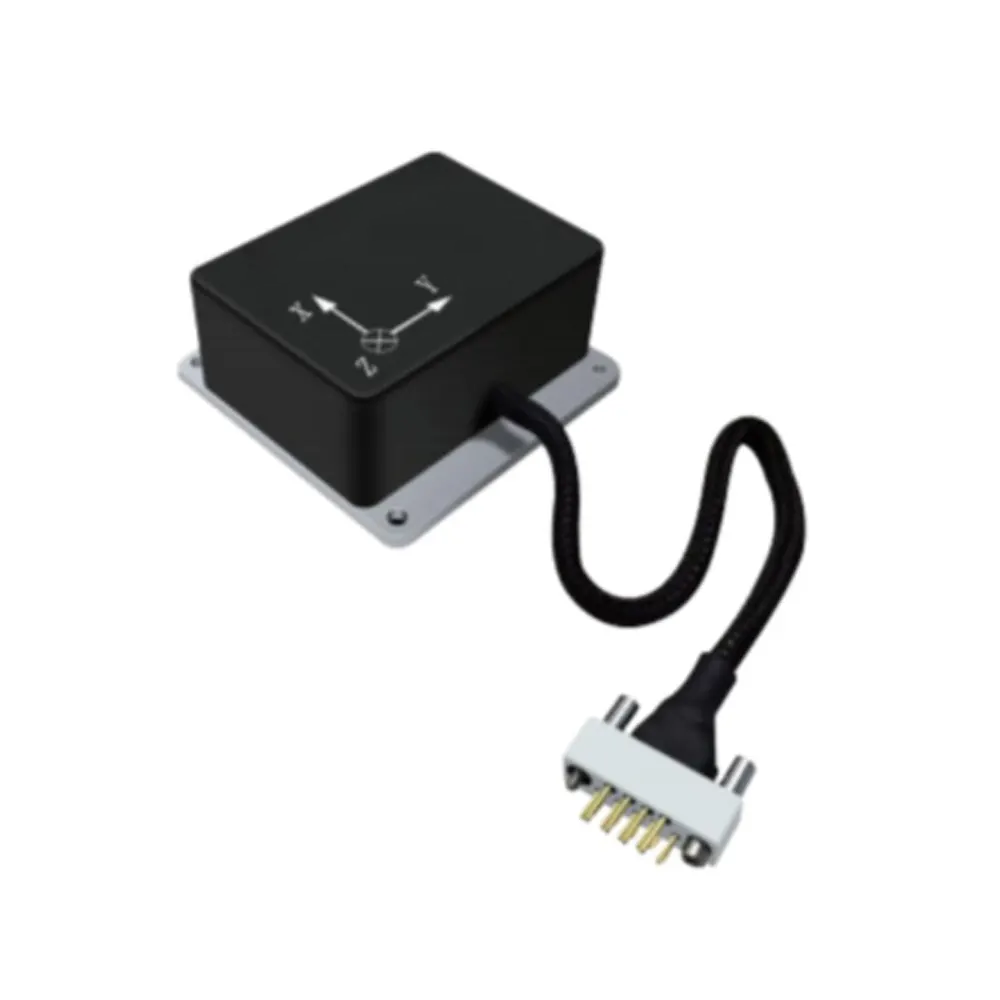
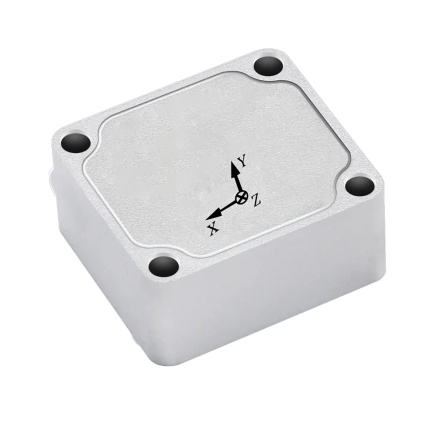
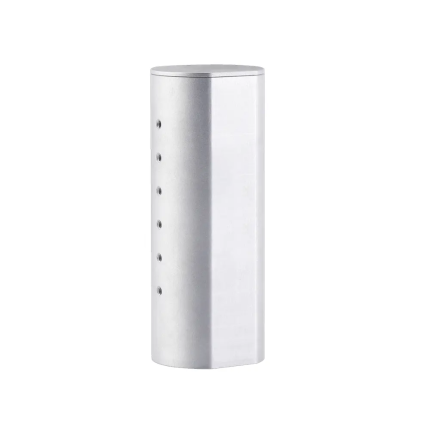
🚨 Industry Pain Points
In modern UAV, robotics, and autonomous system applications, inertial measurement systems often face several challenges:
- Attitude drift during long-duration operation
- Poor stability in high-dynamic and high-vibration environments
- Temperature variations affecting measurement accuracy
- Low reliability under high-overload conditions
- Inconsistent sensor output in complex environments
These issues can lead to navigation errors, unstable control, and reduced mission reliability.
⚙ Product Advantages
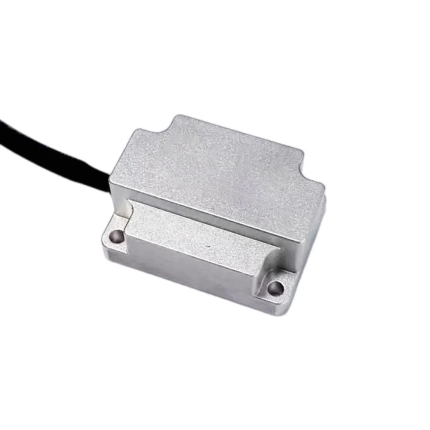
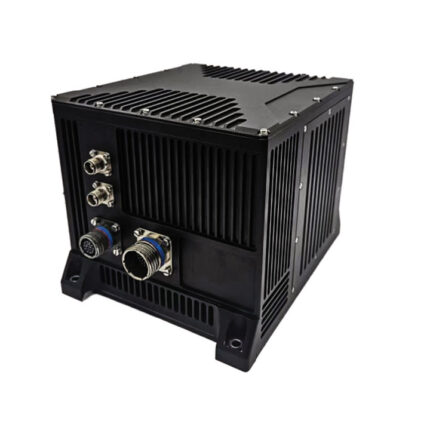
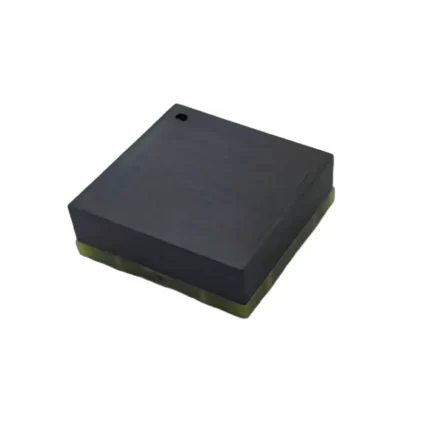
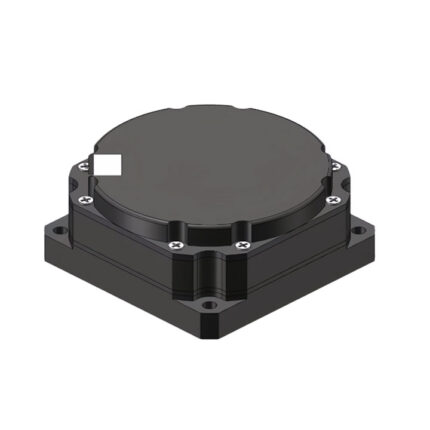
Our MEMS inertial measurement system is designed to overcome these challenges:
- ✔ High-performance MEMS inertial measurement unit (IMU)
- ✔ Proprietary heading, attitude, and complementary filtering algorithms
- ✔ Advanced temperature error compensation technology
- ✔ Long-term stable attitude accuracy
- ✔ Reliable operation under high dynamic and high overload conditions
- ✔ Stable output of angular rate, acceleration, and attitude data
- ✔ High reliability in complex operating environments
🚁 Product Applications
This system is widely used across multiple industries and applications:
- UAV flight control systems
- Autonomous vehicles and robotics
- Marine navigation systems
- Industrial automation and stabilization platforms
- Aerospace and defense applications
- Surveying and mapping equipment
- Antenna and payload stabilization systems
⭐ Why Choose Us
- Advanced proprietary algorithm technology
- High-precision MEMS sensor integration
- Strong resistance to vibration and temperature changes
- Stable performance in harsh environments
- Reliable long-term operation
- Professional customization support
- Extensive industry experience
We provide high-performance inertial measurement solutions designed for demanding professional applications.
❓ Frequently Asked Questions (FAQ)
Q1: What type of sensors does the system use?
The system uses high-performance MEMS inertial measurement sensors.
Q2: Can the system operate in high dynamic environments?
Yes, it is designed for high dynamic and high overload environments.
Q3: Does temperature affect measurement accuracy?
No, the system uses advanced temperature error compensation technology to maintain accuracy.
Q4: What data outputs are supported?
The system outputs angular rate, acceleration, and attitude data.
Q5: Is the system suitable for UAV applications?
Yes, it is widely used in UAV flight control and navigation systems.
| Parameter | unit | fundamental form | |
| Course angle drift (initial value 0°, RMS) | ° /h | 20 | |
| Roll angle accuracy / Yaw angle accuracy (RMS) | ° | Static: 0.1 | |
| ° | Dynamic: 0.2 | ||
|
gyroscope |
measuring range | ° /s | ±400 |
| Zero offset stability (10-second smoothing, 1σ, room temperature) | ° /h | 3 | |
| Full-temperature zero-drift variation (10-second smoothing, RMS, variable temperature) | ° /h | 20 | |
| Zero bias repeatability | ° /h | 3 | |
| random walk | ° / √ h | 0.15 | |
| tape width | Hz | 100 | |
| Nonlinear scaling factor | ppm | 100 | |
| Scale factor repeatability | ppm | 100 | |
| cross coupling | % | 0.1 | |
|
accelerometer |
measuring range | g | ±10 |
| Zero offset stability (10-second smoothing, 1σ, room temperature) | mg | 0.05 | |
| Full-temperature zero-drift variation (10-second smoothing, RMS, variable temperature) | mg | 2 | |
| Zero bias repeatability | mg | 0.2 | |
| tape width | Hz | 100 | |
| Scale factor repeatability | ppm | 500 | |
| cross coupling | % | 0.1 | |
| Data update rate | Hz | 500 (customizable) | |
| voltage | V | 5±0.25 | |
| power dissipation | W | ≤ 1.5 | |
| working temperature | ℃ | -45~80 | |
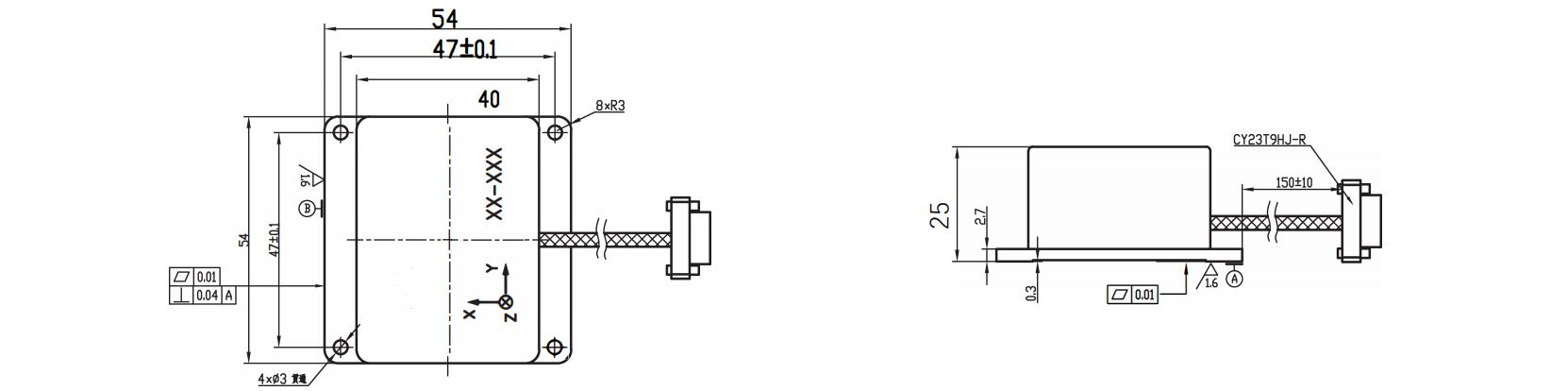
| size | mm | 54*54*25 | |
| weight | g | ≤ 80 | |
| Interface | —— | RS-422 | |