The Ultimate Guide to the 0.7-6GHz High-Gain Vertical Polarization Horn Antenna
nnIn the demanding world of industrial communication, signal integrity is paramount. Engineers and technicians constantly face challenges like frequency interference, signal degradation over distance, and the need for reliable hardware that can withstand extreme conditions. This is where the 0.7-6GHz High-Gain Vertical Polarization Horn Antenna steps in as a definitive solution. This component is not just an accessory; it is a critical tool designed to bridge the gap between theoretical performance and real-world industrial application. Its exceptional wideband capabilities, combined with robust construction, make it a cornerstone for modern communication systems.nn
The Critical Role of a Vertical Polarization Antenna in Industrial Settings
nnOne of the most common pitfalls in industrial signal management is interference from cross-polarized signals. This is where the Vertical Polarization Antenna design of this horn antenna becomes a game-changer. By aligning the electric field vertically, this antenna deliberately minimizes the reception of horizontally polarized noise and interference. This is crucial in environments filled with rotating machinery, power lines, and other sources of electromagnetic chaos.nnThe choice of vertical polarization is a strategic one. In many industrial applications, such as with mobile communication units or in environments where the primary signal source is vertical, this alignment ensures a stronger, more direct link. The antenna’s design actively filters out disruptive signals, providing a cleaner path for data transmission. This results in fewer dropped packets, more stable connections, and a significant reduction in error rates, especially in high-frequency applications like radar and advanced testing.nn
Unpacking the 0.7-6GHz Wide Bandwidth Capability
nnThe 0.7-6GHz frequency range is the sweet spot for a multitude of professional applications. This is not a narrowband tool; it is a multi-role performer. Need to perform EMC testing on a new device? This antenna has you covered. Deploying a mission-critical wireless link? It can handle the bandwidth. The beauty of this 0.7-6GHz horn antenna lies in its operational flexibility. Instead of stocking and swapping different antennas for different bands, a single unit covers everything from UHF (700 MHz) upwards into the C-band (6 GHz).nnThis wide bandwidth translates directly into efficiency. Consider a testing lab that must evaluate devices operating on 4G LTE, 5G Sub-6, and Wi-Fi. Previously, this would require three separate antenna setups. With this single 0.7-6GHz horn, the technician can switch between tests in seconds, saving valuable time and cost. The antenna’s design ensures that the gain and performance remain consistent across this entire spectrum, providing dependable results whether you are at the lower or upper end of the band.nn
Technical Specifications and Build Quality
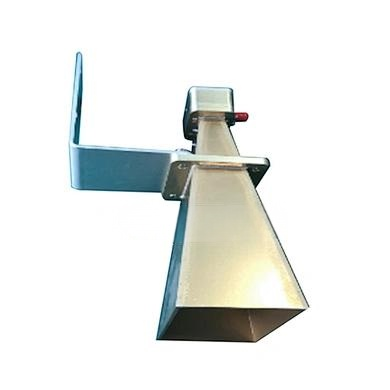
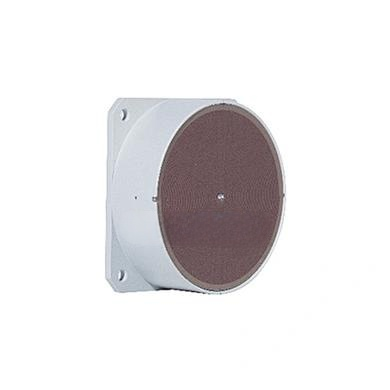
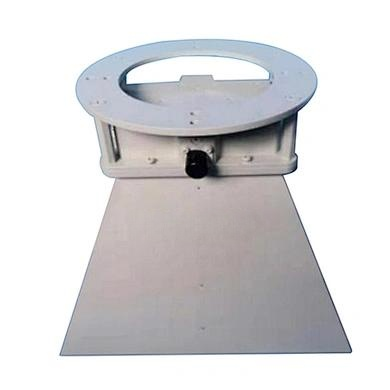
nnTo truly appreciate the engineering behind this antenna, one must look at its technical parameters. The product offers a robust set of specifications designed for high-performance, long-duration missions.nn| Parameter | Value |n| :— | :— |n| Operating Frequency (GHz) | 0.7 – 6 |n| VSWR | ≤ 2.5 (typical) |n| Gain | ≥ 6 dBi |n| Polarization | Vertical polarization |n| Reference Dimensions (L × W × H) | ≤ 340mm × 260mm × 290mm |n| Material | High-strength aluminum alloy |n| Weight | ≤ 4 kg |n| Operating Temperature | -55°C to +75°C |n| Storage Temperature | -65°C to +85°C |n| Connector Type | N-50K |n| Mounting Method | Bend plate mounting |n| Mounting Accessories | Includes mounting bend plate and screws |nnAs the table indicates, a gain of ≥6 dBi is a substantial boost for a broadband horn, ensuring your signal can punch through obstacles. The VSWR of ≤2.5 is a testament to low power reflection, meaning more of your power is being radiated instead of being wasted as heat. The use of high-strength aluminum alloy is a deliberate choice, balancing the need for a lightweight structure—critical for easy installation—with the durability required to survive harsh outdoor conditions.nn
Built for Extreme Environments
nnIndustrial and outdoor environments are unforgiving. The ability to function reliably in freezing cold and blistering heat is non-negotiable. This antenna’s operational temperature range of -55°C to +75°C demonstrates its resilience. Whether it is deployed on a mountaintop in winter or a sun-baked factory roof, the internal components are designed to maintain their electrical and mechanical properties. The storage range of -65°C to +85°C further underscores that this is a piece of equipment built to withstand the logistical challenges of being shipped or stored in non-climate-controlled conditions.nnFurthermore, the mounting system is a testament to user-focused design. The included bend plate and screws allow for a single-person installation. This streamlined mounting method reduces setup time and labor costs, making it as practical to deploy in the field as it is in a laboratory.nn
Conclusion
nnThe 0.7-6GHz High-Gain Vertical Polarization Horn Antenna is more than a sum of its parts. It is a high-performance solution engineered for professionals who cannot afford signal compromise. Its strategic use of vertical polarization cuts through noise, while its wide bandwidth eliminates the need for multiple antennas. Combined with a rugged, lightweight build and an extreme temperature tolerance, this antenna is purpose-built for the most challenging communication and testing scenarios. When reliability, performance, and durability are required, this is the professional tool to trust.