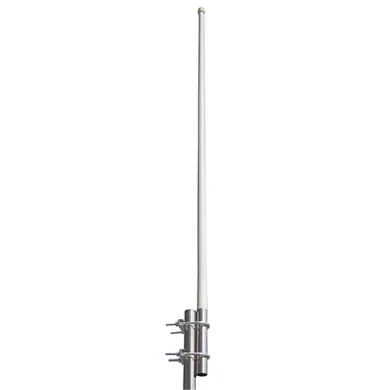
Unlocking Superior Connectivity: The MOP-GA-2327-24N High-Gain Antenna
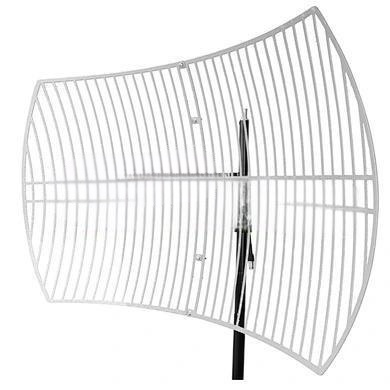
nnIn the rapidly evolving world of wireless communication, ensuring a stable and powerful signal is paramount. Whether you are managing a long-range Wi-Fi network, deploying a point-to-point link, or enhancing your cellular coverage, the quality of your antenna can make or break your system. Enter the MOP-GA-2327-24N, a professional-grade directional antenna engineered to deliver exceptional performance in the 2.3 to 2.7 GHz frequency band. This article dives deep into what makes this antenna a top-tier choice for industry professionals and tech enthusiasts alike, exploring its technical prowess, real-world applications, and why it stands out in a crowded market. By understanding the meticulous engineering behind its design, you can unlock a new level of connectivity reliability, ensuring your data travels further and cleaner than ever before.nn
Key Specifications and Performance Metrics
nnOne of the most critical aspects of selecting the right antenna is understanding its technical specifications. The MOP-GA-2327-24N is built to deliver a combination of high gain, narrow beamwidth, and robust construction. Below is a detailed breakdown of its core parameters, presented to help you make an informed decision.nn
| Parameter | Value |
|---|---|
| Model | MOP-GA-2327-24N |
| Connector Type | N-Female |
| Frequency Range | 2300-2700 MHz |
| Gain | 24 dBi |
| Bandwidth | 400 MHz |
| Horizontal Beamwidth (Lobe Width) | 14° |
| Vertical Beamwidth (Lobe Width) | 10° |
| VSWR | ≤ 1.5 |
| Nominal Impedance | 50 Ω |
| Polarization | Vertical |
| Maximum Power | 100 Watts |
| Dimensions | 0.6 / 0.9 m |
| Weight | 3.2 kg |
| Front-to-Back Ratio | ≥ 31 dB |
| Rated Wind Velocity | 60 m/s |
| Support Rod Diameter / Mounting | Φ 40-50 mm |
nn
The Power of 24 dBi Gain: Focusing Your Signal
nnThe headline figure of 24 dBi gain is not just a number; it represents a transformative capability for any wireless link. In practical terms, this high gain allows the antenna to focus radio frequency energy into a tight, powerful beam. This concentration effectively extends the range of your transmitter and significantly improves the signal-to-noise ratio. For applications like bridging two buildings over a kilometer apart or connecting a remote surveillance camera to a central hub, the MOP-GA-2327-24N transforms a weak, intermittent signal into a stable, high-speed connection. The narrow beamwidths—14° horizontal and 10° vertical—are a direct result of this gain. While this requires precise aiming, it also provides exceptional rejection of interference from off-axis sources, making it ideal for crowded RF environments.nn
Durability and Environmental Resistance
nnAn antenna is often the most exposed component of a network. The MOP-GA-2327-24N is built to withstand harsh conditions. With a rated wind velocity of 60 m/s, it can endure severe storms without compromising alignment or structural integrity. The N-Female connector is a robust, weather-resistant standard, preferred in professional installations for its low signal loss and reliable mating. The support rod diameter compatibility of Φ 40-50 mm ensures it can be securely mounted on standard mast and pole hardware. This combination of high-performance electronics and rugged construction means your investment is protected, delivering consistent year-round performance even in challenging outdoor climates.nn
Practical Applications and Installation Insights
nnGiven its directional nature and high gain, the MOP-GA-2327-24N excels in specific deployment scenarios.nn
- n
- Point-to-Point (PtP) Backhaul Links: Ideal for connecting two network locations, such as a main office and a warehouse, using the 2.4 GHz or 2.6 GHz bands. The 24 dBi gain ensures minimal signal loss over distance, often allowing for Gigabit-speed wireless connections.
- Long-Range Wi-Fi Coverage: When used as a base station antenna aimed along a corridor, campus, or rural area, this antenna can provide strong, focused Wi-Fi coverage to a specific sector, eliminating dead zones far more effectively than an omnidirectional antenna.
- LTE/4G/5G Signal Boosting: For users in fringe cellular coverage areas, a directional antenna like this can lock onto a distant tower, offering a dramatic improvement in data rates and connection stability.
n
n
n
nnFor optimal installation, precise aiming is crucial due to the narrow beamwidth. Use a signal strength meter or a phone running a signal analyzer app to peak the alignment. Ensure all connectors are weatherproofed with dielectric grease and waterproof tape. The antenna’s low VSWR (≤1.5) ensures that your radio equipment sees a clean match, maximizing power transfer and minimizing reflections that could damage the transmitter.nn
Conclusion: Why the MOP-GA-2327-24N is a Sound Investment
nnIn a world where connectivity is the backbone of productivity and communication, the MOP-GA-2327-24N stands as a testament to focused engineering. It expertly balances high gain, durability, and precise directivity, making it an outstanding solution for professionals who demand the best from their wireless infrastructure. Whether you are extending a network across a sprawling campus or establishing a critical link to a remote facility, this antenna provides the reliability and performance necessary to keep your data flowing. By choosing the MOP-GA-2327-24N, you are not just buying hardware; you are investing in a clear, strong, and stable signal that will serve as the foundation for your most critical communications.