Understanding the TVS Attenuator: A Comprehensive Guide
nn
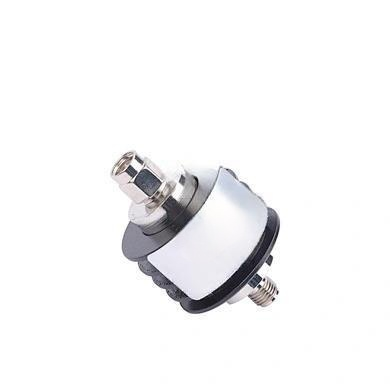
In the world of radio frequency (RF) communications, signal integrity is paramount. Whether you’re working on a cellular base station, a satellite link, or a laboratory test setup, managing power levels precisely is critical. This is where the TVS Attenuator, specifically the Variable Attenuator model, comes into play. Designed to reduce the amplitude of a signal without significantly distorting its waveform, this device is an indispensable tool for engineers and technicians. In this article, we will explore the key features, specifications, and applications of this versatile attenuator, helping you understand why it’s a reliable choice for demanding RF environments.
nn
The TVS Attenuator is engineered to deliver consistent performance across a wide frequency spectrum, from DC up to 3000 MHz. This broad range makes it suitable for everything from low-frequency communications to high-speed data transmission. Its adjustable attenuation value, which can be set between 3 dB and 40 dB, provides the flexibility needed to fine-tune signal levels in various scenarios. Built for durability and precision, this device meets rigorous standards for return loss, intermodulation products, and environmental resilience. Below, we break down its core specifications and practical advantages.
nn
Key Specifications at a Glance
n
To fully appreciate the capabilities of the TVS Attenuator, it’s essential to examine its technical parameters. The following table summarizes the critical data, highlighting its performance metrics and physical characteristics. This device is designed to operate reliably under challenging conditions, making it a robust solution for outdoor and industrial RF systems.
nn
| Parameter | Value |
|---|---|
| Frequency Range | DC – 3000 MHz |
| Attenuation Value (Adjustable) | 3 – 40 dB |
| Attenuation Tolerance | ±0.75 – 1.2 dB |
| Return Loss | ≥ 19 dB |
| VSWR (Voltage Standing Wave Ratio) | ≤ 1.25 |
| Intermodulation Products | ≤ -120 dBc (with 2 x 43 dBm tones) |
| Maximum Input Power | 10 W |
| Operating Temperature Range | -20°C to +75°C |
| Relative Humidity Range | 5% – 95% |
| Impedance | 50 Ω |
| Dimensions (L x W x H) | 64.65 x 35 x 35 mm |
| Weight | 180 g |
| Connector Type | SMA Male / SMA Female |
| Ingress Protection (IP) Rating | IP65 |
| Color | Black |
nn
Performance and Durability in Real-World Applications
n
The TVS Attenuator excels in environments where signal quality and equipment longevity are non-negotiable. With a VSWR of ≤1.25 and a return loss of ≥19 dB, it minimizes signal reflections, ensuring that the power transferred is used efficiently. This is particularly important in testing scenarios where inaccurate readings can lead to costly errors. The low intermodulation products (≤ -120 dBc) further guarantee that the attenuator does not introduce unwanted harmonics, preserving the purity of the signal even under high-power conditions like two-tone tests at 43 dBm each.
nn
Built to withstand harsh conditions, the IP65-rated housing protects against dust ingress and water jets from any direction, making it suitable for outdoor installations. The wide operating temperature range (-20°C to +75°C) and humidity tolerance (5% to 95%) ensure consistent performance in diverse climates, from freezing winters to humid summers. The SMA male and female connectors offer easy integration into existing systems, while the compact size (64.65 x 35 x 35 mm) and lightweight design (180 g) allow for flexible mounting options. Whether you’re deploying this attenuator in a cellular network, a broadcast station, or a research laboratory, its robust construction and precise electrical characteristics deliver reliable results.
nn
Making the Right Choice for Your TVS Attenuator Needs
n
When selecting a TVS Attenuator, consider the specific requirements of your application. The model described here offers a versatile solution for general-purpose use, but your project may demand different attenuation ranges or power handling capabilities. The adjustable nature of this device—from 3 to 40 dB—provides ample flexibility for most common tasks, such as matching signal levels between components or protecting sensitive receivers from overload.
nn
In conclusion, the TVS Attenuator stands out as a high-quality, durable, and precise component for RF signal management. Its comprehensive specifications, including broad frequency coverage, low VSWR, excellent return loss, and robust environmental protection, make it a trusted choice for professionals. By integrating this attenuator into your system, you can achieve optimal signal control, reduce distortion, and extend the life of your equipment. Whether you’re fine-tuning a test bench or deploying a permanent installation, this TVS Attenuator delivers the performance you need.