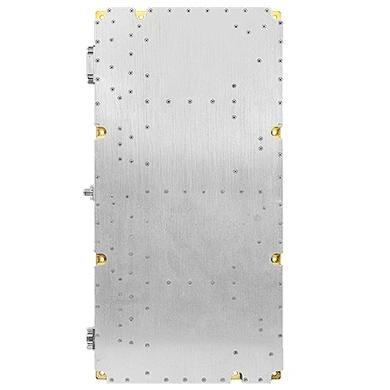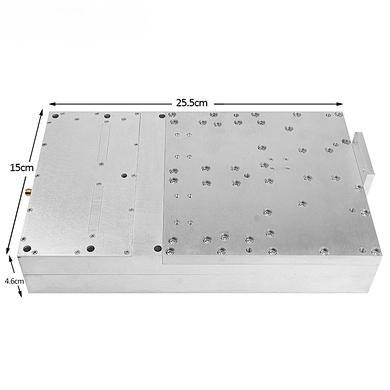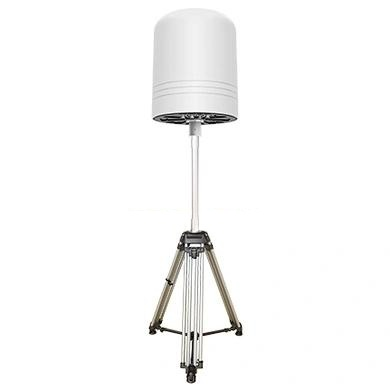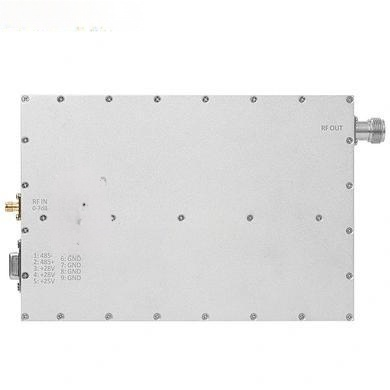
Integrated Detection System: The Core of Modern Low-Altitude Protection
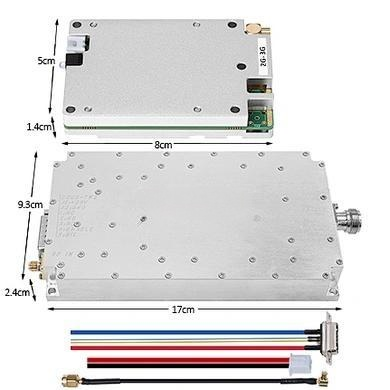
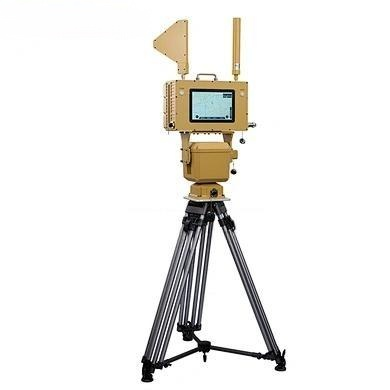
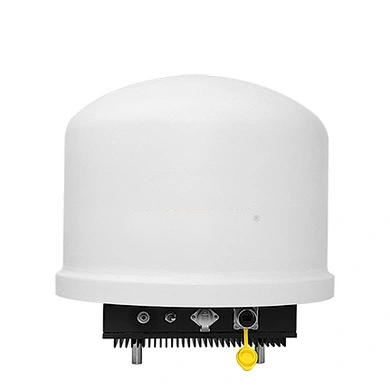
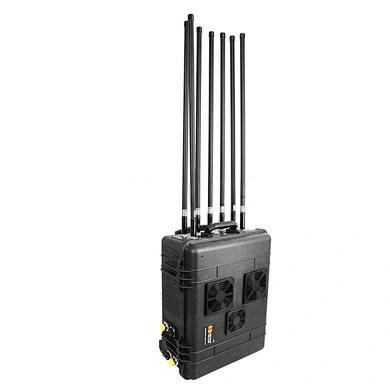
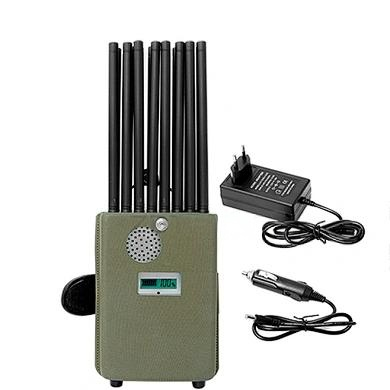
nnIn an era where unmanned aerial vehicles (UAVs) and other low-flying threats are becoming increasingly common, the need for a robust, reliable Low-altitude protection system has never been more critical. Whether safeguarding high-profile VIPs, securing large public events, or protecting sensitive infrastructure like airports and government facilities, the ability to detect, monitor, and neutralize aerial intrusions in real-time is paramount. The Integrated detection system at the heart of this technology combines passive monitoring with active countermeasures, offering a comprehensive shield against unauthorized drones and other low-altitude incursions.nnThe Integrated detection system operates using a passive, non-emitting approach, meaning it does not broadcast signals that could alert adversaries or interfere with other electronics. Instead, it continuously scans the radio frequency (RF) spectrum, listening for communication and control signals emitted by drones. This method ensures stealthy surveillance, making it impossible for potential threats to know they are being tracked. Once a threat is identified, the system can seamlessly trigger countermeasures, creating a closed-loop security solution that delivers unmatched protection.nn
Technical Specifications of the Low-Altitude Protection System
nnTo fully appreciate the capabilities of this advanced security tool, it is essential to examine its core technical parameters. The following table details the key specifications, highlighting the system’s wideband detection, rapid response, and rugged design.nn
| Parameter Category | Specification Detail | Value/Description |
|---|---|---|
| Detection Frequency Range | Wideband Coverage | 300MHz ~ 6000MHz |
| Key Detection Frequency Bands | Critical Protective Bands | 2.4G, 5.8G, 800MHz, 900MHz, 1.4GHz, GNSS |
| Coverage Angle (Detection) | Horizontal Coverage | 360° |
| Detection Range | Maximum Range | ≥ 3000 m |
| Minimum Detection Height | Ground-Level Capabilities | 0 m |
| Scanning Time | 120M Bandwidth Sweep | ≤ 0.25 s |
| Reaction Distance (Countermeasure) | Engagement Range | ≥ 2000 m |
| Key Countermeasure Frequency Bands | Interference Bands | 2.4G, 5.8G, 800MHz, 900MHz, GNSS |
| Interference Angle | Horizontal / Vertical | 360° Horizontal / 90° Vertical |
| Interception Response Time | From Detection to Neutralization | ≤ 3 s |
| Power Supply Mode | Input Options | DC 24V 10A (AC 220V adapter optional; DC power box for mobile use optional) |
| Communication Interface | Primary Data Link | RJ45 (Ethernet) |
| 4G Function | Wireless Grid Control | Optional |
| Protection Grade | Ingress Protection | IP66 |
nn
Seamless Integration for Real-World Situations
nnThe Integrated detection system is not just about raw specifications; it is about how these capabilities translate into real-world performance. For example, the ability to scan the entire 300MHz to 6000MHz spectrum in less than a quarter of a second ensures that no signal, from a standard 2.4G hobbyist drone to a sophisticated 5.8G professional UAV, goes unnoticed. This fast scanning is critically linked to the ≤3-second interception response time, which ensures that once a threat is validated, countermeasures are deployed almost instantaneously. Whether confronting a lone drone or a swarm, the system maintains continuous, 360-degree vigilance, providing operators with the crucial time window needed to act.nnFurthermore, the Low-altitude protection system is designed for maximum flexibility in deployment. The optional 4G function allows for wireless grid control, enabling multiple units to be networked together for site-wide coverage. The IP66 rating guarantees reliable operation in harsh weather conditions, from driving rain and snow to extreme dust. Combined with the versatile power options (including a DC power box for vehicle-mounted operations), this system can be temporarily installed for a major event or permanently integrated into a permanent security infrastructure at a critical facility.nn
Conclusion: The Ultimate Low-Altitude Protection System
nnUltimately, the effectiveness of any aerial security strategy depends on the reliability and speed of its core detection and response components. This Low-altitude protection system, anchored by its powerful Integrated detection system, provides a turnkey solution that is both comprehensive and actionable. By combining ultra-wideband passive RF scanning with rapid, targeted countermeasures and a robust, weatherproof design, it delivers the situational awareness and defensive capability that modern security operations demand. For VIP escort, large public gatherings, airport perimeters, and government installations, this system represents the gold standard in ensuring safety from evolving low-altitude threats. Its ability to detect, classify, and neutralize threats in under three seconds, across a full 360-degree field, makes it an indispensable asset in today’s complex threat landscape.