Understanding the Hybrid Combiner: Key Electrical Specifications
nn
In the world of telecommunications infrastructure, the hybrid combiner stands as a critical component for efficient signal management. Designed to merge multiple frequency bands into a single output, this device ensures seamless network performance while minimizing signal loss. Whether you are upgrading a 4G LTE site or preparing for 5G integration, knowing the exact technical parameters of your equipment is non-negotiable. The following sections break down every critical specification of this four-port hybrid combiner, from electrical performance to mechanical durability.
nn
Port Configuration and Frequency Band Support
nn
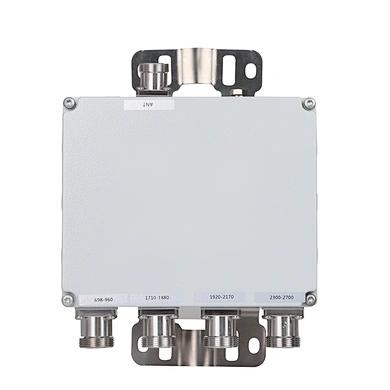
This hybrid combiner features four dedicated ports, each optimized for a specific frequency range. The design allows for simultaneous operation across low, mid, and high bands, making it an ideal choice for multi-band antenna systems. Below is the complete frequency assignment for each port:
nn
Detailed Electrical Parameters
nn
The electrical performance of a hybrid combiner directly impacts network signal quality. Key metrics include insertion loss, return loss, isolation, and passive intermodulation (PIM). The following table outlines all electrical specifications for this device:
nn
| Parameter | Port 1 | Port 2 | Port 3 | Port 4 |
|---|---|---|---|---|
| Frequency Range (MHz) | 698–960 | 1710–1880 | 1920–2170 | 2300–2700 |
| Insertion Loss | ≤ 0.3 dB (typical) | |||
| Return Loss / VSWR | ≥ 20 dB / ≤ 1.22:1 | |||
| Isolation | > 50 dB | |||
| Impedance | 50 Ω | |||
| Input Power (CW) | 100 W (maximum per port) | |||
| PIM (IM3) | ≤ -150 dBc @ 2× 43 dBm | |||
| DC/AISG By-pass | 3000 mA (maximum) | |||
nn
Environmental and Protection Features
nn
Reliability in harsh outdoor conditions is a hallmark of quality telecommunications equipment. This hybrid combiner is engineered to withstand extreme temperatures, lightning strikes, and moisture. The table below summarizes all environmental specifications:
nn
| Parameter | Value |
|---|---|
| Lightning Protection | 10 kA; 10/350 µs pulse |
| Operating Temperature | -20 °C to +65 °C |
| Storage Temperature | -40 °C to +85 °C |
| Environment Humidity | 5% to 95% (non-condensing) |
| Application | Indoor or outdoor, IP 67 rated |
nn
Mechanical Construction and Connectivity
nn
Physical durability and ease of installation are equally important for field deployments. The mechanical specifications of this hybrid combiner ensure it fits standard enclosures and provides robust connectivity. Refer to the following table for all mechanical details:
nn
| Parameter | Specification |
|---|---|
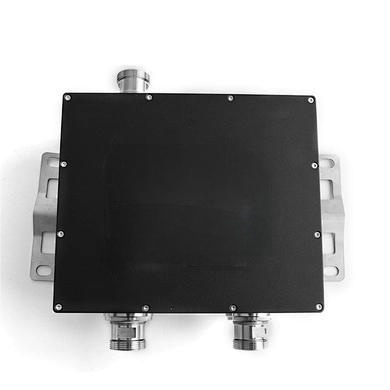
| Connectors | 5 pcs DIN Female |
| Colour | Grey |
| Dimensions (without connectors) | 170 × 195 × 50 mm |
nn
Why This Hybrid Combiner Excels in Modern Networks
nn
With its broad frequency coverage spanning 698 MHz to 2700 MHz, this hybrid combiner supports 2G, 3G, 4G, and early 5G bands seamlessly. The exceptional isolation above 50 dB prevents signal interference between ports, while low PIM levels ensure clean signal transmission even under high power. The IP 67 rating guarantees operation in rain, dust, and extreme temperatures, making it suitable for rooftop towers, cabinets, and shelter installations. Furthermore, the integrated DC/AISG by-pass enables remote electrical tilt and tower-mounted amplifier control without additional cabling.
nn
Conclusion: Reliable Performance Through Every Specification
nn
This hybrid combiner delivers a comprehensive package of electrical, environmental, and mechanical traits that meet demanding network requirements. By understanding the insertion loss, return loss, and isolation figures, network engineers can confidently design systems with minimal signal degradation. The robust lightning protection and wide temperature range further underscore its field-readiness. Whether you are optimising an existing site or building a new one, this hybrid combiner offers the reliability and precision needed for high-performance telecommunications infrastructure.