


The paradigm of tactical reconnaissance, intelligence gathering, and dynamic payload delivery has fundamentally evolved. Military commanders are no longer willing to jeopardize forward operating teams or exhaust massive budgets deploying multi-million dollar manned assets for routine perimeter control and tracking. Concurrently, traditional fixed-wing unmanned platforms that depend on sprawling, highly visible concrete runways are becoming severe liabilities in active combat zones. From our experience at ChinaMoneypro UAV, modern defense doctrine relies heavily on platforms that combine the zero-footprint agility of a multi-rotor with the long-endurance cruise efficiency of a fixed-wing configuration. This cross-functional shift highlights the specific, undeniable advantages of using Military VTOL drones over legacy aerial frameworks.
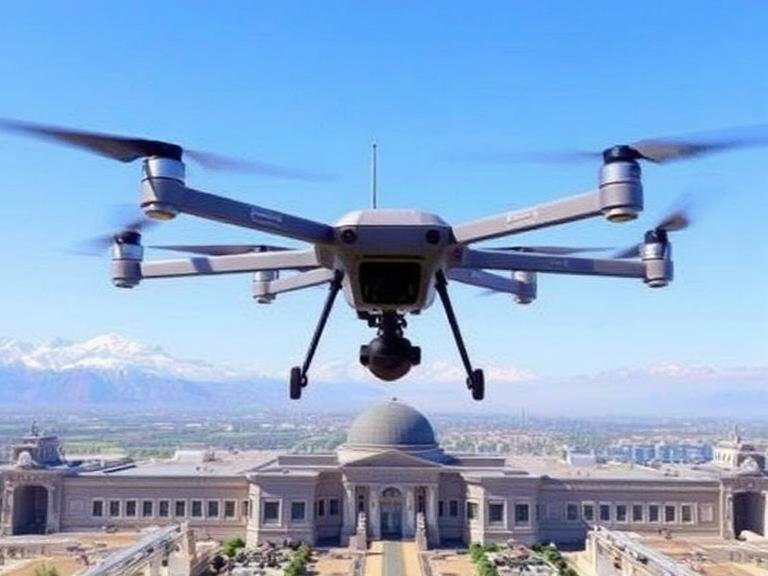
Evaluating an unmanned vehicle for true theater readiness requires looking far past standard consumer specifications. True combat survivability requires examining aerodynamic efficiency, structural material resilience, data link encryption standards, and payload stabilization under intense vibration. We recommend ignoring oversimplified sales catalogs and evaluating platforms based on their real-world ability to deploy immediately from dense forests, rugged mountain ridges, or moving naval decks. Choosing an unverified platform that suffers from poor multi-rotor to fixed-wing transition logic can lead to total system failure during critical monitoring missions.
In this authoritative, publication-ready analysis, we break down the seven structural advantages of Military VTOL drones dominating the defense sector this year. We look at operational footprint constraints, break down complex transition aerodynamics, analyze multi-sensor integrations, and explore how selecting a platform from a full-stack engineering pioneer protects your mission parameters from electronic warfare disruption.
Table of Contents
- 1. Complete Runway Independence: Zero Infrastructure Footprint
- 2. The Hybrid Advantage: High-Endurance Fixed-Wing Cruise
- 3. Rapid Battlefield Deployment and Advanced Mobility
- 4. Superior Payload Integration: Stable EO/IR and Radar Tracking
- 5. Acoustic and Thermal Signature Optimization
- 6. Maritime Integration: Real-Time Fleet and Deck Agility
- 7. Electronic Warfare and Data Link Survivability
- 8. Comparative Material Metrics: Hybrid VTOL vs. Traditional UAVs
- 9. Frequently Asked Questions (FAQs)
- 10. Global Defense Industry Testing and Material Standards
1. Complete Runway Independence: Zero Infrastructure Footprint
The first and most critical benefit among our advantages of using Military VTOL drones is the absolute removal of standard runway infrastructure. Traditional fixed-wing reconnaissance assets require long, clear strips of concrete or specialized pneumatic catapult systems to launch safely into the wind. In active combat zones, these long runways are immediately targeted by enemy ballistic strikes, satellite tracking networks, and long-range artillery sweeps, putting your primary launch site in constant danger.
Hybrid VTOL platforms bypass this infrastructure threat entirely. By using a series of high-torque, independent vertical lift motors, these units ascend straight up from small forest clearings, urban intersections, or hidden valley bottoms. From our experience, removing the need for launch and recovery gear drastically lowers your overall logistical footprint, allowing forward units to maintain continuous aerial surveillance from highly classified, protected positions.
This decentralized deployment style is standard across the world’s most innovative defense corridors. When setting up multi-tier unmanned networks, top defense teams work closely with premier uav manufacturers in china to acquire rugged, carbon-fiber frames capable of vertical ascent in unpredictable crosswinds. Eliminating mechanical launchers ensures your field teams can stay completely hidden from enemy satellite tracking networks.
2. The Hybrid Advantage: High-Endurance Fixed-Wing Cruise
Pure multi-rotor platforms offer excellent hovering agility but suffer from severe aerodynamic limitations, quickly draining their batteries just fighting gravity. They rarely achieve the long endurance or wide range needed for deep theater reconnaissance. A true military VTOL drone uses its vertical rotors solely for the initial climb and final descent stages. Once the platform reaches its target altitude, a high-efficiency rear pusher motor engages to propel the craft into forward flight.
During forward flight, the primary lift wings generate natural aerodynamic lift, allowing the vertical lift rotors to shut down completely and fold into low-drag alignments. This hybrid configuration combines the precision landing capabilities of a helicopter with the low-amp, high-speed cruise efficiency of an airplane. This allows the platform to achieve impressive 4-to-8 hour flight windows, enabling continuous coverage over far-off borders or deep enemy territories.
To secure this complex level of flight control, working with a highly integrated developer is essential. For teams managing large-scale intelligence operations across expansive regions, partnering with verified best uav manufacturers guarantees your airframe utilizes optimized carbon-kevlar laminates. This advanced build quality ensures the wings can handle the intense structural shifts that happen during high-speed transitions without flexing out of alignment.
3. Rapid Battlefield Deployment and Advanced Mobility
In high-intensity combat scenarios, reaction time is measured in seconds. A tracking system that requires a complex, multi-hour assembly process cannot support fast-moving mechanized units. Modern military VTOL drones utilize advanced quick-lock structural joints and snap-fit wing pins, allowing a two-person team to assemble the entire airframe from a transport case in under ten minutes without specialized tools.
This rapid setup ability enables frontline teams to deploy long-range tracking tools immediately when encountering sudden enemy resistance. The entire system packs down cleanly into standard rugged transport cases that fit into light tactical vehicles, allowing your units to move fast and maintain constant aerial tracking during rapid movements across changing battlefields.
4. Superior Payload Integration: Stable EO/IR and Radar Tracking
An unmanned platform is only as effective as the active sensors it carries over the target zone. Traditional fixed-wing aircraft must maintain continuous forward speed to stay airborne, making it difficult to keep sensors locked onto specific hidden targets in dense urban centers or deep mountain valleys. VTOL drones can transition back into a stable hover at any moment during a mission, allowing their camera systems to maintain an un-interrupted view of specific high-value targets.
To capture clear, usable intelligence during a stable hover, matching your airframe with a high-performance eo ir gimbal payload is necessary. These advanced gyrostabilized tracking pods combine long-range optical lenses with thermal imaging sensors, allowing operators to spot and follow targets through pitch-black darkness, thick smoke, or heavy fog. For long-distance border security, incorporating a specialized thermal camera payload ensures your control center can track distinct heat signatures miles away, regardless of local weather shifts.
This high standard of multi-sensor data gathering is a key requirement for modern defense frameworks. When designing complex tactical systems, military agencies look to elite uav solution companies to integrate multi-band sensors, synthetic aperture radars, and target lasers into a single, unified control loop. This high level of system integration allows the drone to pass targeting coordinates to artillery units instantly.
5. Acoustic and Thermal Signature Optimization
Catapult-launched fixed-wing drones often rely on loud internal combustion engines to maintain the high speeds needed to avoid stalling. This loud engine noise gives enemy units an early warning, allowing them to seek cover or target the drone with shoulder-fired anti-aircraft missiles. Hybrid VTOL platforms handle these tracking risks much better by utilizing smart electric or advanced heavy-fuel hybrid propulsion systems.
By using quiet electric motors for vertical liftoff and optimized low-vibration engines for forward flight, these drones maintain a very low acoustic profile. Once the craft reaches its cruise altitude, the quiet motor design makes it practically silent from the ground. This low noise profile allows the platform to perform close-range monitoring missions over sensitive areas without alerting enemy units on the ground.
6. Maritime Integration: Real-Time Fleet and Deck Agility
Operating standard unmanned aircraft from naval vessels introduces severe engineering challenges. Traditional fixed-wing platforms require large flight decks, complex capture nets, or tail-hook arresting cables, which can only be mounted on massive aircraft carriers. Attempting to land a fast-moving fixed-wing drone onto a rolling, pitching frigate deck in rough seas often ends in a catastrophic crash.
VTOL aircraft solve these naval integration problems completely. Their vertical lift systems allow them to land accurately on the small helipads of compact destroyers, corvettes, or supply ships. Advanced onboard flight computers use real-time sensors to track deck movement, allowing the drone to match the ship’s roll and pitch exactly for a safe, automated touchdown even in heavy storm surges. This naval agility significantly expands the surveillance range of smaller fleet vessels without requiring expensive ship modifications.
7. Electronic Warfare and Data Link Survivability
Modern battlefields are filled with complex electronic warfare threats, including GPS spoofing networks, high-power frequency jammers, and data intercept arrays. A drone that relies entirely on open commercial control frequencies can be easily disabled or hijacked by enemy electronic warfare units. Defense-grade VTOL platforms prevent these vulnerabilities by utilizing highly secure, custom-engineered communication setups.
By incorporating software-defined radios, fast frequency-hopping logic, and powerful military-grade encryption, these systems maintain a rock-solid link with their ground control stations over long distances. If an enemy jammer manages to completely block out local GPS signals, the advanced flight computer automatically switches to an independent inertial navigation system. This allows the drone to continue its tracking mission and return safely to base without needing external satellite signals.
This intense focus on secure hardware integration is standard across all advanced technology sectors. In the automated logistics industry, for example, companies use a high-capacity Logistics Cargo Delivery UAV to carry critical payloads across long distances using secure, encrypted data links. In the same way, tactical military units rely on secure communication protocols to protect vital reconnaissance streams from being intercepted by enemy intelligence units.
8. Comparative Material Metrics: Hybrid VTOL vs. Traditional UAVs
To highlight the practical advantages of hybrid aircraft design, this table compares the operational capabilities of a modern hybrid VTOL drone against legacy fixed-wing and pure multi-rotor platforms across key military indicators.
| Performance Metric | Hybrid VTOL Drone | Traditional Fixed-Wing | Standard Pure Multi-Rotor |
|---|---|---|---|
| Launch/Recovery Space Required | Minimal (5m x 5m Area) | Large (Runway or Launcher) | Minimal (3m x 3m Area) |
| Average Flight Endurance | 4 – 8 Hours (High Efficiency) | 5 – 12 Hours (High Efficiency) | 30 – 60 Minutes (Low Efficiency) |
| In-Flight Hover Capability | Full (Transition to Hover) | None (Must Maintain Forward Speed) | Full Continuous Hover |
| Assembled Assembly Time | < 10 Minutes (Quick-Lock) | 30 – 60 Minutes (Complex Setup) | < 5 Minutes (Fast Deploy) |
| Naval Vessel Compatibility | Excellent (Lands on Small Decks) | Poor (Requires Carriers/Nets) | Good (Limited Sea Range) |
As the data shows, hybrid VTOL designs successfully bridge the gap between traditional fixed-wing platforms and agile multi-rotors. This balanced performance provides commanders with the long range needed for deep reconnaissance combined with the flexible launch options required for fast-moving field operations.
This level of material and production quality control is standard across all high-reliability industries. For example, in the advanced components sector, manufacturers use automated PCBA Assembly Services to build completely flawless, military-grade circuit boards that can withstand intense vibration. In the same way, drone factories use vacuum-assisted resin transfer molding to build ultra-lightweight carbon fiber wings, ensuring your tactical aircraft can handle sudden high-speed maneuvers without structural failure.
9. Frequently Asked Questions (FAQs)
What makes a hybrid VTOL drone different from a standard drone?
A hybrid VTOL drone combines vertical takeoff rotors with traditional fixed-wing structures. It uses dedicated rotors to ascend straight up like a helicopter, then switches to a rear pusher motor to fly forward like an airplane, combining flexible launch options with excellent long-range efficiency.
Can military VTOL drones operate safely in heavy rain and high winds?
Yes, defense-grade VTOL platforms are fully sealed against water ingress and built to handle harsh weather conditions. Advanced internal flight controllers can make instantaneous motor adjustments, allowing the airframe to maintain a stable hover in continuous winds up to 35 knots and gusts up to 45 knots.
How do secure VTOL drones navigate if their primary GPS signal is jammed?
If an enemy electronic warfare system blocks out local GPS signals, the drone’s smart flight computer automatically switches to an internal inertial navigation system (INS). By using precise built-in sensors and optical flow cameras, the drone can calculate its position and navigate safely back to base without needing external satellite signals.
What types of payloads can these military hybrid drones carry?
These flexible platforms can carry a wide variety of advanced military gear, including gyrostabilized EO/IR cameras, thermal imaging pods, synthetic aperture radars (SAR), laser target designators, and specialized electronic warfare jamming modules, depending on your specific mission requirements.
How long does it take a field team to assemble a VTOL drone from its case?
Thanks to smart quick-lock structural joints and snap-fit wing pins, a trained two-person field team can fully assemble the airframe and launch the aircraft from its transport case in under ten minutes without requiring specialized tools.
10. Global Defense Industry Testing and Material Standards
The aerodynamic designs, structural material testing, and secure communication metrics detailed in this guide follow established international defense and engineering standards, including:
- STANAG 4671 – NATO Unmanned Aerial Vehicle Systems Airworthiness Requirements, defining strict structural safety limits for military UAV operations.
- ISO 21857 – Unmanned Aircraft Systems – Operational Requirements, covering global safety and tracking protocols for commercial and defensive autonomous flight.
- DO-178C – Software Considerations in Airborne Systems and Equipment Certification, verifying absolute reliability and code security for autonomous flight computers.