


The global security environment has undergone a massive change, shifting from traditional electronic countermeasures to fully integrated, unmanned air combat doctrines. Modern tactical forces, defense ministries, and global military procurement offices no longer view unmanned systems as basic recon accessories. In modern theaters, weaponized unmanned platforms have become critical tools that define tactical superiority, electronic protection, and combat endurance. Choosing an fleet of attack drones requires looking past basic aircraft specifications and evaluating full-stack components, subsystem compatibility, and secure data links.
From our experience at ChinaMoneypro UAV, evaluating tactical aerial assets requires an absolute focus on system integration, sensor stabilization, and severe-service durability. Standard consumer-grade airframes fail under modern electronic jamming, lacking the encryption and mechanical balance needed for high-stakes combat. When a procurement team buys unverified or fragmented hardware configurations, they expose their field operators to immediate tracking interception, signal loss, and mission failure. This comprehensive guide outlines the technical realities of modern unmanned systems, allowing strategic buyers to optimize their defense procurement budgets with absolute confidence.
Table of Contents
- 1. Electro-Optical Payload Mechanics and Thermal Targeting Systems
- 2. Propulsion Engineering, Signature Mitigation, and Protected Data Links
- 3. Sourcing Logistics: Evaluating the Global UAV Manufacturing Supply Chain
- 4. Attack Drones Sourcing and Technical Parameter Table
- 5. Electronic Countermeasures, Jamming Protection, and Software Autonomy
- 6. Turnkey Defense Integration: The ChinaMoneypro UAV Engineering Edge
- 7. Frequently Asked Questions (FAQs)
- 8. International Defense and Metrology References
1. Electro-Optical Payload Mechanics and Thermal Targeting Systems
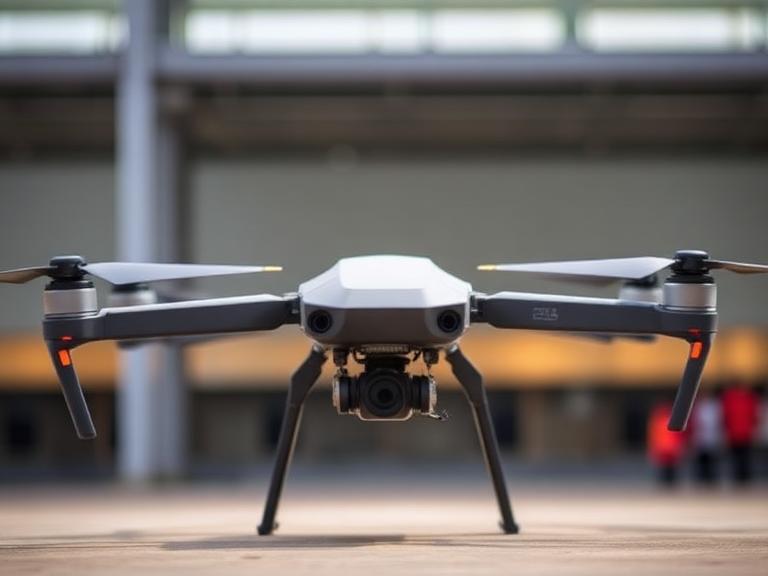
To accurately assess the structural advantages of modern attack drones, engineering teams must evaluate the optical stabilizing hardware mounted to the belly of the aircraft. Weaponized unmanned platforms require high-resolution targeting sensors that can track targets across miles of visual distance in complete darkness, smoke clouds, and adverse weather conditions. Achieving this precision tracking depends heavily on advanced gyro-stabilized gimbals that isolate the internal camera chips from aircraft vibration and heavy wind turbulence.
We recommend mandating high-performance multi-sensor arrays that combine long-range electro-optical cameras with high-resolution infrared thermal imaging sensors. When evaluating potential gear configurations, procurement teams can browse the specialized eo ir gimbal payload lines to find solutions that offer precision target stabilization. Incorporating cooled thermal cores allows operators to identify thermal signatures across extended distances. To analyze exact payload capabilities and evaluate how modern sensory layers track target heat profiles under heavy electronic warfare, buyers can read our structural guide covering the specialized thermal camera payload category.
2. Propulsion Engineering, Signature Mitigation, and Protected Data Links
The survival of weaponized airframes inside contested airspace depends heavily on lowering their physical signatures. Traditional combustion engines offer great payload capacities and flight endurances, but their high acoustic noise profiles and immense thermal signatures make them easy targets for ground-based short-range air defense systems. Modern defense-grade engineering utilizes specialized muffling tech, low-vibration hybrid engines, or advanced electric arrays to minimize acoustic noise and limit heat output, keeping the aircraft hidden during low-altitude passes.
Simultaneously, the internal data link architecture must protect your command signals from enemy electronic interception. We recommend choosing advanced frequency-hopping spread spectrum (FHSS) data links utilizing AES-256 military encryption standards. If an attack drone drops its signal encryption or relies on open communication bands, enemy tracking arrays can easily jam the controller link, hijack the video feed, or use directional radio signals to locate and target your ground control station, risking operator safety.
3. Sourcing Logistics: Evaluating the Global UAV Manufacturing Supply Chain
Sourcing commercial quantities of defense-grade unmanned aircraft requires an international procurement evaluation that looks far deeper than basic retail pricing points. Because these advanced weaponized platforms interface directly with national defense assets and sensitive tactical data streams, their manufacturing origins, raw component sourcing, and software code bases must remain fully traceable. Choosing a supplier that lacks component control introduces serious supply chain risks, including hidden backdoors or parts shortages during critical field deployments.
To secure reliable fleet supply chains, international buyers must establish partnerships with full-stack manufacturers that control their internal subsystem development. To map out reliable international production nodes and benchmark manufacturing capabilities, defense procurement directors can study our comprehensive industry analysis focusing on the top uav manufacturers in china. Additionally, to evaluate structural component longevity and compare global production standards across the broader international marketplace, project managers can read our expert market review covering the best uav manufacturers tier.
4. Attack Drones Sourcing and Technical Parameter Table
To help defense ministries, strategic buyers, and fleet procurement managers select the ideal hardware layout, the following responsive summary table details the technical parameters and advantages of key modern configurations.
| Platform Classification | Primary Target Application | Core Payload Specialization | Data Link Encryption | Strategic Operational Advantage |
|---|---|---|---|---|
| Tactical Loitering Munitions | Precision Strike / SEAD Missions | Integrated Warhead + Optical Target Tracker | Encrypted FHSS Protocol | Low acoustic signature; rapid kinetic deployment |
| Medium-Altitude Long-Endurance (MALE) | Persistent ISR + Multi-Target Strike | Multi-Sensor EO/IR + Laser Designator + Radar | Dual SATCOM / Line-of-Sight Link | Extended 24+ hour flight endurance loops |
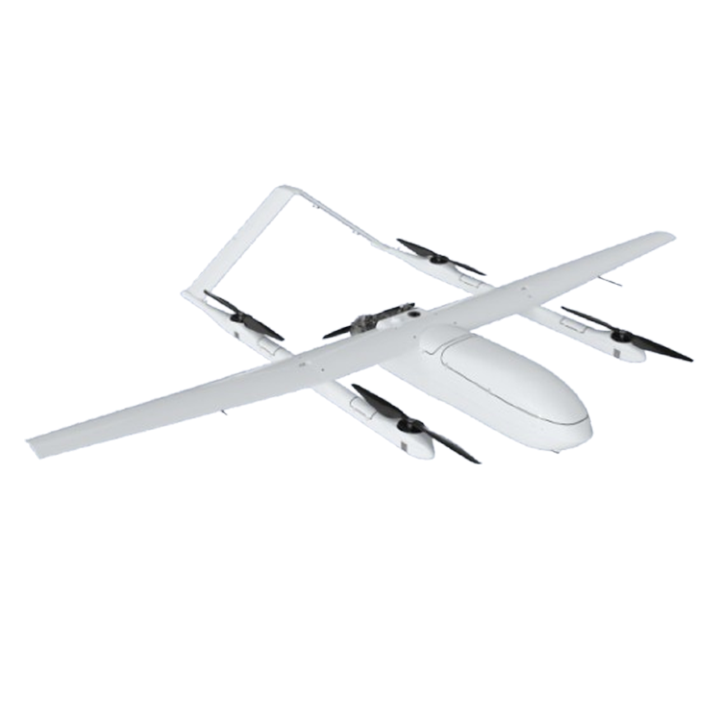
| Strike Vertical Take-Off (VTOL) | Rugged Terrain / Maritime Launch | Precision Guided Micro-Missiles / Rockets | AES-256 Military Grade | Eliminates the need for vulnerable runway strips |
| Heavy Cargo Combat Lifter | Frontline Supply + Tactical Armed Escort | Modular Drop Pods + Defensive Guns | Anti-Jamming Mesh Network | Combines heavy logistical capacity with defense firepower |
5. Electronic Countermeasures, Jamming Protection, and Software Autonomy
Contested air combat corridors are filled with dense electronic warfare environments, where high-power directional jammers attempt to break satellite navigation signals and disconnect radio control bands. If an aircraft relies exclusively on civilian GPS networks for flight stability, a basic signal jammer can instantly cause it to drift off course or crash. High-performance military platforms use multi-tier redundant navigation architectures to ensure safe, continuous operation when communication lines are blocked.
From our experience, we recommend specifying aircraft equipped with anti-jamming GPS antennas, internal inertial navigation systems (INS), and advanced optical terrain-matching software. When satellite signals are completely lost, the internal INS calculates real-time flight metrics, while onboard vision algorithms scan the ground topography below to track flight paths automatically. This high level of software autonomy allows the platform to navigate cleanly through electronic warfare zones, complete its task, and return home safely without requiring a continuous pilot link.
6. Turnkey Defense Integration: The ChinaMoneypro UAV Engineering Edge
While mastering individual technical specifications is critical for strategic defense planning, deploying a reliable tactical fleet relies on selecting a trusted aerospace manufacturing partner. ChinaMoneypro UAV is a national-level high-tech enterprise, transformed from a prestigious state-owned research institute. With deep roots in defense-grade engineering, we specialize in the R&D and manufacturing of advanced unmanned platforms and integrated sensing-communication solutions. Headquartered in one of China’s premier innovation hubs, Moneypro is among the few full-stack providers offering complete UAV systems, engines, gimbals, radar, data links, and communication technologies.
Our vertically integrated production facilities allow defense agencies to build custom, end-to-end tactical solutions that match exact operational parameters. For organizations launching comprehensive national defense initiatives or evaluating multi-tier autonomous systems, we recommend partnering with our certified uav solution companies core. Sourcing directly from our defense-grade engineering lines eliminates third-party component risks, ensures complete software code transparency, and guarantees traceable quality benchmarks to secure your long-term national security investments.
7. Frequently Asked Questions (FAQs)
8. International Defense and Metrology References
1. International Organization for Standardization. (2023). Unmanned aircraft systems — Part 3: Operational safety requirements and engineering standards for severe-service environments (ISO Standard No. 21384-3:2023). Geneva, Switzerland. Available via the official repository at https://www.iso.org/)
2. Institute of Electrical and Electronics Engineers. (2025). IEEE Transactions on Aerospace and Electronic Systems: Advanced Frequency-Hopping Spread Spectrum Architectures, Gyro-Stabilized Optical Payloads, and Mitigation of Jamming Vectors within Autonomous Unmanned Systems. Academic Reference Portfolio.
3. Ministry of Industry and Information Technology. (2026). National Aerospace Safety Directive: Quality Management Certifications, In-House Metallurgy Standards, and Supply Chain Traceability Metrics for National-Level High-Tech UAV Production. Beijing, China.