Understanding the Indispensable Role of the N-Type to SMA Adapter Cable in RF Systems
nn
In the intricate world of radio frequency (RF) engineering, the reliability of interconnections often determines the success of the entire system. Whether you are a seasoned RF engineer, a telecommunications technician, or a hobbyist experimenting with high-frequency circuits, the humble adapter cable is a critical component that cannot be overlooked. Among the myriad of connectivity solutions, the N-type to SMA adapter cable stands out for its robust performance, versatility, and ability to bridge different RF interface standards. This article delves into the construction, specifications, and practical applications of these essential cables, explaining why they are a staple in labs, broadcast facilities, and field installations alike.
nn
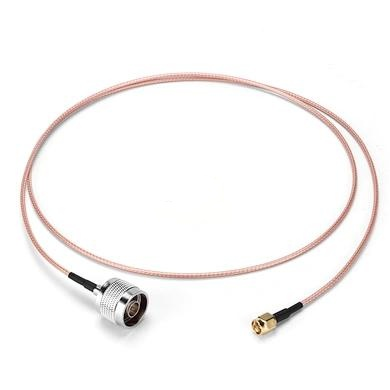
The N-type connector, renowned for its durable construction and low loss at microwave frequencies, has been a reliable workhorse for decades. It is often the connector of choice for test equipment, antennas, and high-power applications. On the other hand, the SMA (SubMiniature version A) connector is a precision, semi-precision, or subminiature connector valued for its compact size and excellent performance up to 18 GHz and beyond. An adapter cable that seamlessly combines an N-type male on one end with an SMA male on the other eliminates the need for multiple adapters, reduces signal degradation, and provides a stable, repeatable connection. This makes it an invaluable tool for connecting SMA-equipped devices, such as spectrum analyzers and network analyzers, to N-type-based test cables or antenna systems.
nn
Exploring the Specifications of a Typical N-Type to SMA Adapter Cable
nn
When selecting an adapter cable for RF applications, understanding the technical specifications is paramount. A high-quality cable will clearly define its performance parameters to ensure it meets the stringent demands of your specific application. The following table provides a comprehensive overview of the typical parameters for a versatile N-type to SMA male adapter cable, which is designed to cover a broad range of frequencies and environmental conditions.
nn
| Parameter | Specification | Notes |
|---|---|---|
| Connector 1 | N Male | Robust, threaded interface for high-power and low-loss applications. |
| Connector 2 | SMA Male | Compact, precision connector for high-frequency performance. |
| Frequency Range (Gain) | DC-6 GHz / DC-3 GHz | Dual-range specification; consult manufacturer for exact limits based on VSWR. |
| Coaxial Cable Type | RG316 (or customized) | Flexible, 50-ohm cable suitable for moderate flexibility and durability. |
| Cable Length | 15 cm / 20 cm (or customized) | Standard lengths provide short, manageable interconnects. |
| Maximum Input Power | 50 Watts | Suitable for many test and low-to-moderate power applications. |
| Characteristic Impedance | 50 ohms | Industry standard for most RF and microwave systems. |
| Temperature Range | -65°C to 165°C | Wide operating range for both indoor and harsh outdoor environments. |
nn
As illustrated in the table, the N-type to SMA adapter cable offers a potent combination of durability and performance. The use of RG316 cable, a common 50-ohm coaxial cable with a PTFE dielectric, ensures stable impedance and low signal loss over the specified length. The impressive temperature range from -65°C to 165°C guarantees reliability in extreme conditions, from cold storage facilities to hot, high-power transmitters. The maximum input power of 50 watts is generally more than sufficient for signal generator outputs, receiver tests, and short-run antenna connections. Customization options for cable type and length allow engineers to tailor the assembly for space-constrained enclosures or specific signal path requirements.
nn
Why Impedance and Power Ratings Matter for Your Application
nn
The 50-ohm impedance standard is a cornerstone of RF design. Using a cable that matches this impedance ensures maximum power transfer and minimal signal reflection. Any mismatch can lead to standing wave ratios that degrade performance, potentially damaging sensitive equipment. The 50-watt power handling capacity of this N-type to SMA adapter cable is a crucial specification for many applications. While SMA connectors themselves can handle similar power levels at lower frequencies, the combination ensures that the weakest link in your chain is not the interconnect. By maintaining strict adherence to these specifications, this adapter cable prevents common failure points and retains the integrity of your measurement or transmission system.
nn
Practical Applications in Modern RF Environments
nn
The versatility of the N-type to SMA adapter cable makes it suitable for an extensive range of applications. In a typical laboratory setup, it is used to connect an SMA-equipped vector network analyzer (VNA) to an N-type test port on an amplifier or filter. Its short length minimizes insertion loss and phase variations, offering accurate measurements. In telecommunications, these cables are used in base station testing, where SMA connectors on test equipment frequently need to interface with N-type connectors on antennas or jumpers. For instance, using a 20 cm long RG316 cable allows a technician to conveniently route the connection without putting strain on the connectors, a common cause of failure in field environments. The rugged nature of the N-type connector provides the necessary mechanical security, while the SMA end ensures a precise, repeatable connection for calibrated measurements.
nn
Conclusion: Making the Right Connection for Reliable Performance
nn
In summary, the N-type to SMA adapter cable is far more than a simple wire—it is a precisely engineered component that ensures your RF system operates at its peak potential. By bridging two of the most common connector families in the industry, this cable eliminates impedance discontinuities, reduces signal loss, and provides unparalleled mechanical stability. Whether you are constructing a sensitive test setup or deploying a critical communication link, paying attention to the specific parameters—such as frequency range, cable type, and power handling as detailed in the table above—is essential. When you require a dependable, high-performance link between N-type and SMA interfaces, this adapter cable offers an elegant and effective solution for sustaining signal integrity across your entire system. Choose wisely, and let your connections define your success.