Maximizing Network Performance with the External Combiner
nn
In the fast-paced world of telecommunications, ensuring reliable, high-quality signal transmission is critical for both operators and end-users. One of the key components that facilitates this is the external combiner. This device plays a vital role in combining multiple frequency bands into a single feed line, thereby simplifying antenna infrastructure while maintaining excellent signal integrity. Whether you are deploying a 4G LTE network, scaling up for 5G, or managing a multi-band system, understanding the capabilities and specifications of your combiner can make a significant difference in overall network efficiency. This article delves into the technical nuances and operational advantages of the external combiner, offering a clear guide for engineers and network planners.
nn
An external combiner is specifically designed to handle a wide array of frequency ranges, making it a versatile tool for modern base stations. Its robust construction and advanced filtering capabilities ensure that signals from different bands can coexist without detrimental interference. This is particularly important in dense urban environments where spectrum is crowded and space for antennas is limited. By consolidating multiple signal paths, the external combiner reduces tower loading, lowers installation costs, and simplifies maintenance. The end result is a cleaner, more organized setup that delivers consistent performance across all supported bands.
nn
Key Specifications of the External Combiner
nn
To fully appreciate the value of this device, it is essential to examine its technical parameters. The following table outlines the core specifications that define its operational capabilities. The external combiner supports a broad frequency spectrum, ensuring compatibility with most modern cellular standards.
nn
| Parameter | Value |
|---|---|
| Frequency Range (MHz) | 698-960 / 1710-1880 / 1920-2170 / 2300-2700 / 3300-3800 |
| Insertion Loss (dB) | 3.6 |
| Isolation (dB) | >30 / >50 |
| VSWR | ≤ 20dB / 1.22 |
| Intermodulation Products (dBm) | ≤ -150dBc (with 2 x 43dBm) |
| Maximum Input Power (W) | 200 |
| Impedance (Ω) | 50 |
| Operating Temperature (°C) | -25 to +65 |
| Relative Humidity (%) | 5 to 95 |
| Ingress Protection Rating | IP67 |
| Connector Type | N / 4.3-10 / 7/16 (Female) |
nn
The wide frequency coverage means this external combiner can seamlessly integrate with bands ranging from low-band 700 MHz for extended coverage to high-band 3.8 GHz for enhanced capacity. With an insertion loss of just 3.6 dB, signal attenuation is minimized, preserving transmitted power and signal quality. The high isolation values—exceeding 30 dB in some ranges and 50 dB in others—prevent cross-band interference, ensuring that each channel operates without performance degradation from adjacent signals.
nn
Understanding VSWR and Intermodulation
nn
Voltage Standing Wave Ratio (VSWR) is a critical measure of how efficiently RF power is transmitted from the source to the load. A VSWR of ≤ 1.22 indicates an excellent impedance match, which reduces signal reflection and optimizes power transfer. This is particularly beneficial in high-power applications where even minor mismatches can lead to significant losses or equipment damage.
nn
Intermodulation distortion is another vital parameter, especially in multi-carrier environments. The external combiner’s intermodulation products rating of ≤ -150 dBc ensures that harmonics and spurious signals are kept to an absolute minimum. This level of performance is essential for maintaining signal clarity and preventing interference with other services, making it an ideal choice for demanding cellular and broadband deployments.
nn
Design and Environmental Durability
nn
Field reliability is a cornerstone of effective network equipment. This external combiner is built to withstand harsh outdoor conditions, as indicated by its IP67 ingress protection rating. This means the device is fully protected against dust ingress and can withstand temporary immersion in water, making it suitable for rooftop, tower, or ground-level installations. The operating temperature range of -25°C to +65°C ensures stable performance in both freezing winters and scorching summers. Additionally, the relative humidity tolerance of 5 to 95% prevents condensation-related failures in humid climates.
nn
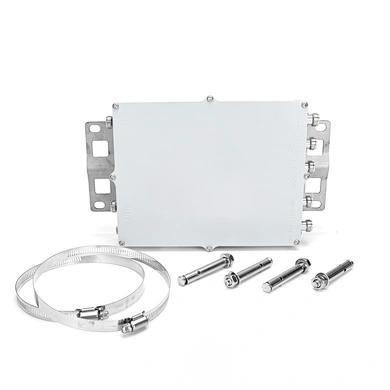
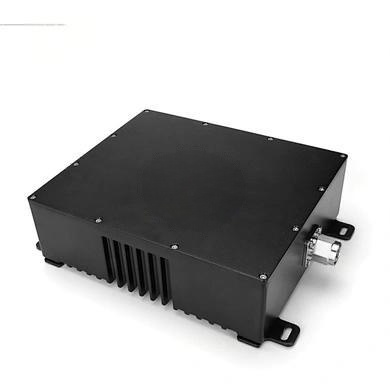
The mechanical design is equally robust. The grey-colored housing offers corrosion resistance and UV stability, ensuring a long service life. Connector options—N-type, 4.3-10, or 7/16 female—provide flexibility for various cable types and system configurations. These connectors are industry-standard, facilitating easy integration with existing infrastructure. The 50-ohm impedance aligns with common RF system standards, ensuring compatibility across different equipment vendors.
nn
Applications and Use Cases
nn
The versatility of the external combiner makes it suitable for a wide range of applications. In macro base stations, it enables the combination of multiple frequency bands into a single antenna feed, reducing the number of required antennas and feeders. For small cells and distributed antenna systems (DAS), it simplifies infrastructure while maintaining high isolation and low loss. It is also ideal for in-building coverage solutions, where space and aesthetics are important considerations. The ability to handle up to 200 watts of input power ensures that it can accommodate high-power base station transmitters without compromise.
nn
Conclusion: Why the External Combiner Matters
nn
In summary, the external combiner is a critical component for any multi-band wireless network requiring high performance, reliability, and efficient use of physical infrastructure. Its broad frequency support, low insertion loss, excellent isolation, and durable design make it a valuable asset for network operators striving to deliver seamless connectivity. By investing in a high-quality external combiner, you can reduce installation complexity, minimize signal interference, and future-proof your network for evolving standards. Whether you are upgrading an existing site or deploying a new one, this device offers the technical excellence needed to meet the demands of modern communication systems.