Introduction
nnIn the world of radio frequency (RF) communication, the right antenna can be the difference between a clear, reliable signal and frustrating interference. Whether you are a professional engineer conducting electromagnetic compatibility (EMC) testing, an amateur radio enthusiast seeking multi-band coverage, or a project manager deploying outdoor signal networks, you need a tool that delivers consistent performance across a wide spectrum. Enter the Linear Polarization Wideband Antenna. Designed to bridge the gap between versatility and precision, this antenna operates from 80MHz to 700MHz, offering a solution that is both robust and adaptable. Unlike narrowband alternatives that restrict you to a single frequency band, this model provides an ultra-wide coverage range, making it an indispensable asset for modern communication systems. With exceptional gain stability and a low standing wave ratio, it stands out as a professional-grade choice for demanding environments, combining the best of log-periodic technology with linear polarization benefits.nn
What Makes This Linear Polarization Wideband Antenna Exceptional?
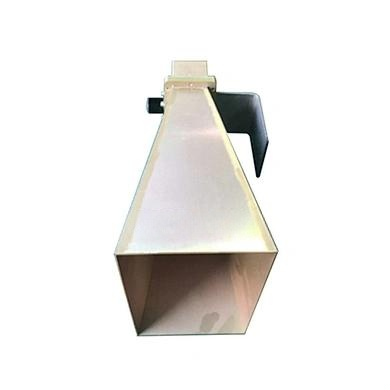
nnThe first thing you will notice about this Linear Polarization Wideband Antenna is its ability to cover an impressive frequency span of 80MHz to 700MHz. This breadth is not just about numbers; it translates into real-world flexibility. For instance, it can handle amateur radio frequencies, TV broadcast signals, and various industrial testing bands all with a single device. But wide coverage alone is not enough. This antenna excels because it maintains a stable gain of 4dBi to 6dBi across the entire range. At 80MHz, you get a solid 4.6dBi, and at 700MHz, it peaks at 6.2dBi, ensuring that signal strength does not drop off at the edges. This is a direct result of its advanced log-periodic structural design, which provides consistent performance where other wideband antennas might falter. Furthermore, the linear polarization method reduces signal loss from polarization mismatch, offering cleaner data transmission and reception. To give you a clear picture of its technical prowess, here are the critical specifications presented in a clean, readable format:nn| Parameter | Value |n| — | — |n| Frequency Range | 80MHz ~ 700MHz |n| Gain | 4dBi ~ 6dBi |n| Polarization Method | Linear Polarization |n| Standing Wave Ratio (SWR) | ≤2.0 (Typical Value) |n| Connector Type | N-type Seat |n| Installation Method | Install Bracket |n| Reference Dimensions (LWH) | ≤1800mm × 1700mm × 270mm |n| Weight | ≤8kg |n| Pigment | Ice Gray |n| Working Temperature | -35℃ ~ +55℃ |n| Storage Temperature | -40℃ ~ +70℃ |nnThis table highlights why this antenna is more than just a simple component; it is a precisely engineered tool. The low SWR of ≤2.0 minimizes signal reflection, which means more power is radiated forward rather than being wasted as heat. This is crucial for any system where efficiency matters, from long-range communication to sensitive testing setups.nn
The Core Features of a Wideband Antenna
nnWhen you choose a Wideband Antenna, you are investing in flexibility and reliability. This model is built to thrive in harsh conditions, with an operational temperature range from -35°C to +55°C. Whether deployed in a frozen tundra or a sun-baked desert, it maintains stable performance without degradation. Its ice gray pigment does more than look professional; it resists UV aging, helping the antenna blend into outdoor environments while extending its service life. The lightweight design, weighing just 8kg with dimensions under 1800mm × 1700mm × 270mm, makes installation straightforward. You can mount it on rooftops, towers, or other fixed structures using the included dedicated bracket, achieving secure placement without excessive structural support. This balance of durability and lightness is a hallmark of a superior Wideband Antenna, ensuring that it withstands wind and weather while remaining easy to deploy.nn
Understanding the 4-6dBi Gain Log-Periodic Antenna Design
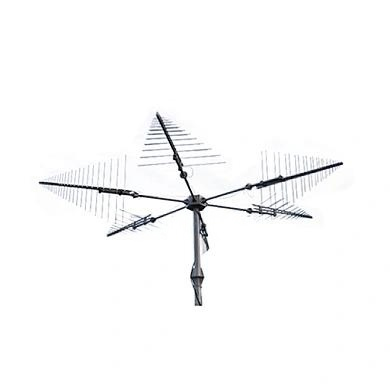
nnThe heart of this antenna lies in its log-periodic structure, which is why it is accurately described as a 4-6dBi Gain Log-Periodic Antenna. Log-periodic antennas are prized for their ability to maintain consistent gain and impedance across a wide frequency range, unlike Yagi or dipole antennas that are typically narrowband. Here, the design ensures a gain swing of only about 2dBi from 80MHz to 700MHz, providing uniform coverage that is ideal for multi-band applications. The N-type seat connector is another thoughtful feature, offering a secure, low-loss connection that reduces contact issues over time. This makes the antenna a reliable choice for permanent installations where performance consistency is non-negotiable. By integrating these elements, you get a 4-6dBi Gain Log-Periodic Antenna that stands out for its stability and precision.nn
Practical Applications: Why This Antenna Matters
nnSo, where does this Linear Polarization Wideband Antenna truly shine? Its applications are diverse, reflecting its versatile design. In communication systems, the ultra-wide frequency range supports emergency communication and rural radio coverage, where multiple bands need to be handled by a single antenna. For signal reception and testing, the stable linear polarization is crucial for EMC testing and radio/TV signal monitoring, ensuring accurate data capture. The lightweight build and durable housing also make it perfect for outdoor fixed deployment, whether on a communication tower or a building rooftop. By serving these varied roles, this Wideband Antenna proves its value in both civilian and industrial contexts, offering a cost-effective solution that reduces the need for multiple antennas.nn
Conclusion
nnIn the final analysis, the Linear Polarization Wideband Antenna is not just a piece of equipment; it is a strategic investment in signal quality and operational flexibility. Its combination of an 80MHz to 700MHz range, stable 4-6dBi gain, and robust environmental adaptability makes it a standout choice in the RF market. Whether you are upgrading an existing communication network, setting up a test lab, or deploying outdoor coverage, this antenna provides the reliability and performance you need. The low SWR, lightweight design, and durable construction all contribute to a product that delivers consistent results under pressure. Embrace the power of a Linear Polarization Wideband Antenna and experience the difference that professional-grade engineering can make in your next project.