
Unveiling the Drone Detection Device: Comprehensive Specifications and Performance Insights
nn
In an era where unmanned aerial vehicles (UAVs) have become increasingly accessible, the need for reliable detection systems has never been more critical. Whether you are a security professional, a privacy advocate, or an event organizer, understanding the capabilities of a drone detector is essential for safeguarding airspace. This article delves into the intricate specifications of a cutting-edge detection device, highlighting its operational range, identification prowess, and power management. By exploring the drone detection device in detail, we aim to provide you with a clear picture of how this technology works and why it stands out in the crowded market of counter-UAV solutions.
nn
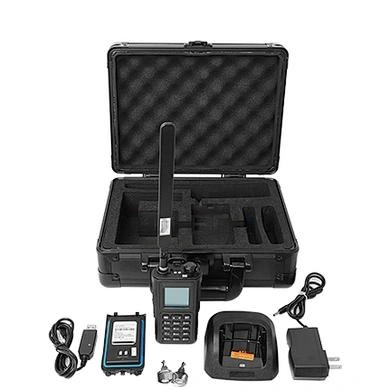
The device is engineered to operate across multiple frequency bands, ensuring compatibility with a wide variety of UAVs, from consumer drones to professional FPV (First Person View) racers. Its ability to identify different signal types—including DJI full series, mainstream WiFi, and 5.8GHz image transmission—makes it a versatile tool for both urban and rural environments. The inclusion of a replaceable lithium battery system, offering up to eight hours of operation with dual batteries, underscores its practicality for extended field missions. The compact form factor, weighing just 270 grams, allows for easy portability without sacrificing detection range. This article will break down every aspect of the drone detection device, from frequency coverage to environmental adaptability, ensuring you have all the information needed to make an informed decision.
nn
Key Specifications of the Drone Detection Device
nn
To fully appreciate the capabilities of this device, it is imperative to examine its technical specifications. These parameters define not only how well the device detects unauthorized UAVs but also its suitability for different operational scenarios. The following table consolidates all critical data regarding the drone detection device, covering frequency bands, identification types, power options, and physical dimensions. By presenting this information in a structured format, we eliminate ambiguity and provide a clear reference for comparison with other solutions.
nn
| Specification Category | Parameter Details | Additional Notes |
|---|---|---|
| Working Frequency Bands | 800–1500 MHz, 2400–2485 MHz, 5150–5950 MHz | Triple-band coverage for diverse drone types |
| Identification Type | DJI full series, mainstream WiFi, 5.8GHz image transmission (FPV) | Comprehensive signal detection |
| Device Power Supply | Replaceable lithium battery | Hot-swappable capability |
| Battery Life | 8 hours (dual battery) | Extended field operations |
| Appearance Size | 135 × 62 × 38 mm (including antenna) | Compact, handheld design |
| Working Weight | 270 g | Lightweight for outdoor use |
| Detection Radius | 3000 m | Depends on electromagnetic intensity of environment |
nn
Understanding the Frequency Coverage and Detection Range
nn
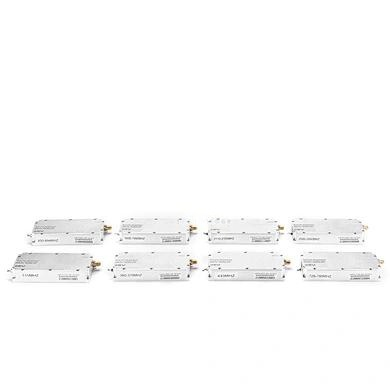
The ability of the drone detection device to cover three distinct frequency bands is a significant advantage in real-world applications. The 800–1500 MHz range is commonly used by legacy drone systems and some industrial UAVs, while the 2400–2485 MHz band aligns with standard WiFi channels, making it ideal for detecting consumer drones that use 2.4 GHz control links. The 5150–5950 MHz range targets modern 5.8 GHz FPV systems and high-end imaging drones. This triple-band approach ensures that the device can identify threats regardless of the transmission protocol. The detection radius of up to 3000 meters is a theoretical maximum under optimal conditions—such as clear line of sight and low electromagnetic interference—but users should expect variability in urban environments with high signal congestion. The drone detection device is designed to adapt to these conditions, offering reliable performance even in challenging settings.
nn
Battery System and Portability
nn
Portability is a core design philosophy of this device, as evidenced by its weight of just 270 grams and compact dimensions of 135×62×38 mm. The replaceable lithium battery system allows for prolonged use without returning to a charging station. With dual batteries, the device achieves an impressive 8-hour runtime, which is sufficient for extended security patrols, event monitoring, or perimeter surveillance. The hot-swappable nature of the batteries means that operators can change sources mid-mission without interrupting detection activities. This feature is particularly valuable for military or law enforcement personnel who require continuous operation. The drone detection device thus balances energy efficiency with lightweight construction, making it a practical tool for handheld or backpack deployment.
nn
Operational Performance and Environmental Adaptability
nn
The detection radius of the drone detection device is rated at 3000 meters, but this figure is contingent on the electromagnetic intensity of the surrounding environment. In open fields or rural areas with minimal interference, the device can reliably detect signals at maximum range. However, in dense urban settings with multiple WiFi networks, cellular towers, and other RF sources, the effective range may be reduced. The device employs advanced signal processing algorithms to filter out noise and isolate drone-specific emissions, but users are advised to calibrate expectations based on local conditions. The triple-band coverage is complemented by its ability to identify DJI full series drones—which dominate the consumer market—along with generic WiFi-based UAVs and FPV machines. This versatility ensures that the drone detection device remains relevant as drone technology evolves.
nn
Practical Applications and User Scenarios
nn
Security teams can leverage this device for critical infrastructure protection, such as airports, power plants, and government buildings. Event organizers benefit from real-time drone detection during concerts, sports events, or public gatherings where privacy and safety are paramount. For enthusiasts and researchers, the device offers a window into the local drone traffic, aiding in airspace analysis. The drone detection device is not just a passive monitor; it provides actionable intelligence that can trigger alerts or integration with countermeasure systems. Its ability to detect 5.8GHz FPV signals makes it particularly effective against racing drones, which are often used for reconnaissance or aerial photography in restricted areas.
nn
Conclusion: Why the Drone Detection Device is a Game-Changer
nn
In conclusion, the drone detection device represents a significant leap forward in portable UAV detection technology. Its triple-band frequency coverage, long battery life, and lightweight design address the core needs of modern security operations. The table above demonstrates that every specification has been optimized for both performance and usability, from the 270-gram weight to the 8-hour runtime. However, the true value lies in its adaptability—the device can be deployed in diverse environments, from remote wilderness to crowded urban centers, and still provide reliable detection. By understanding the nuances of its operating parameters, users can maximize its potential. As drones continue to proliferate, having a dependable drone detection device is not just an option; it is a necessity for maintaining control over airspace. Invest in this technology to secure your assets and ensure peace of mind in an increasingly drone-filled sky.