Understanding the RF Power Splitter: A Key Component for Signal Distribution
nn
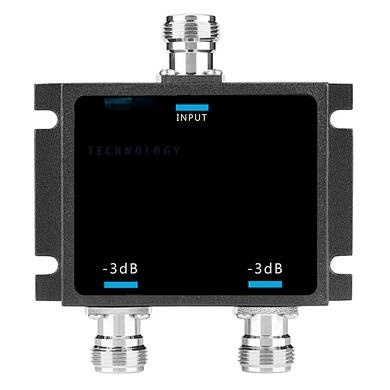
In modern telecommunications and broadcast systems, reliable signal distribution is paramount. Whether you are deploying a Distributed Antenna System (DAS), a 5G network, or a broadcasting infrastructure, the need to split a single input signal into multiple outputs without degradation is critical. This is precisely where the RF Power Splitter becomes an indispensable tool. Designed to operate across a wide frequency spectrum, this device ensures that your network maintains high performance, low loss, and robust isolation across all output ports.
nn
An effective RF Power Splitter bridges the gap between signal source and multiple antennas or receivers. The model described here offers exceptional versatility, supporting a frequency range from 698 MHz to 2700 MHz using microstrip technology. This wide bandwidth makes it ideal for a variety of applications, including cellular (LTE, 5G), Wi-Fi, and public safety bands. The device’s solid construction and careful engineering ensure that signal integrity is preserved, allowing for seamless indoor or outdoor deployment.
nn
When selecting a splitter for your network, key performance metrics such as Voltage Standing Wave Ratio (VSWR), insertion loss, and isolation are critical. The specifications of this unit highlight its high-quality design. With a VSWR of ≤1.25:1, the splitter provides an excellent impedance match, minimizing signal reflections and ensuring maximum power transfer. Furthermore, the isolation between ports is ≥20 dB, preventing signal leakage and channel interference. Whether you need a 2-way, 3-way, 4-way, 6-way, or 8-way configuration, this RF Power Splitter delivers consistent performance across all splits.
nn
Technical Specifications and Performance of the RF Power Splitter
nn
To ensure informed decision-making, all technical data regarding this device is provided below. The table clearly outlines the key parameters that define its capabilities, from operational frequency to environmental tolerances.
nn
| Parameter | Specification / Value | Notes |
|---|---|---|
| Frequency Range | 698 – 2700 MHz | Microstrip technology |
| Split Ways (Number of Outputs) | 2, 3, 4, 6, or 8 | Configurable models |
| VSWR (Voltage Standing Wave Ratio) | ≤ 1.25:1 | Ensures low reflection |
| Insertion Loss | ≤ 0.4 dB (all split ways) | Uniform across all ports |
| Isolation | ≥ 20 dB | Between output ports |
| Average Power Handling | 50 Watts | Continuous power |
| Impedance | 50 Ohms | Standard RF impedance |
| Connector Types | DIN, 4.3-10, or N-Female | Input & output options |
| Operating Temperature | -35°C to +65°C | Wide temperature range |
| Application Environment | Indoor or Outdoor | Weather-resistant design |
| Finish | Black Plated | Corrosion resistant |
nn
Versatile Connectivity and Power Handling
n
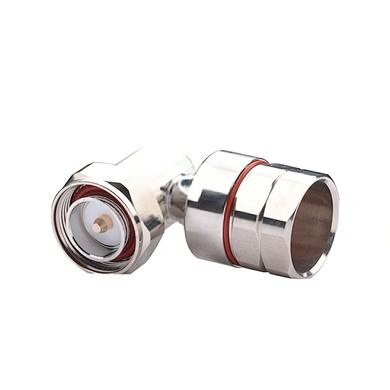
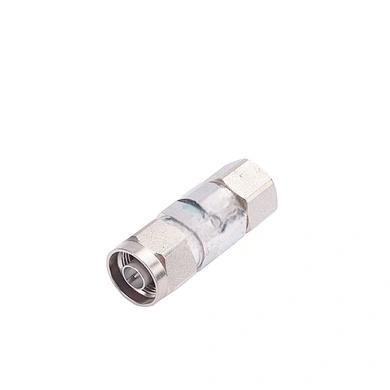
The RF Power Splitter comes equipped with your choice of industry-standard connectors: DIN, 4.3-10, or N-Female. This flexibility ensures compatibility with a wide range of cables and equipment, simplifying integration into existing systems. With a robust 50-watt average power handling capacity, this splitter can handle moderate to high-power signals without distortion or failure. The black plated finish not only provides a professional appearance but also offers excellent corrosion protection, making it suitable for harsh outdoor environments where temperature fluctuations and moisture are a concern.
nn
Installation and Deployment Considerations
n
For optimal performance, ensure that the RF Power Splitter is installed in a location that does not exceed the specified operating temperature range of -35°C to +65°C. Proper RF cable management and torqueing of connectors are essential to maintain the low VSWR specification. The splitter is designed for both indoor and outdoor use, but when deployed outdoors, it is recommended to weatherproof all connector interfaces to prevent long-term moisture ingress. The uniform insertion loss of ≤0.4 dB across all split ways guarantees that each output port receives an equal and high-quality signal, preserving system integrity.
nn
Why Choose This RF Power Splitter?
n
The combination of a wide frequency band, multiple split configurations, and low insertion loss makes this device a superior choice for network engineers and system integrators. Its proven microstrip design ensures stable operation across the entire 698-2700 MHz spectrum. The RF Power Splitter stands out for its reliability, offering high isolation to minimize cross-talk and a robust mechanical design that withstands the rigors of both indoor and outdoor installations. For applications requiring consistent signal distribution without compromise, this splitter delivers the performance you need.
nn
Conclusion
n
In summary, the RF Power Splitter is a fundamental building block for any high-performance RF distribution network. Its ability to handle multiple split ways—from 2 to 8—while maintaining a VSWR of ≤1.25:1, insertion loss of ≤0.4 dB, and isolation of ≥20 dB, makes it a reliable and efficient solution. The wide operating frequency range and flexible connector options further enhance its value. Whether you are upgrading an existing system or designing a new deployment, this RF Power Splitter ensures your signal reaches every destination with clarity and strength. Invest in quality signal distribution today for a more reliable and scalable network tomorrow.