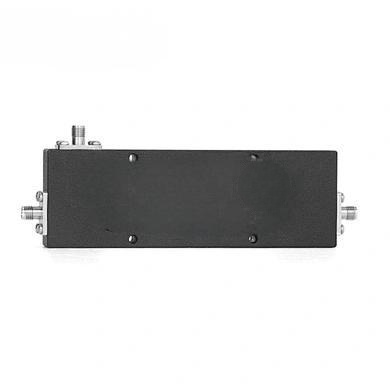
Understanding the SMA Jumper Cable: A Critical Component for RF Connectivity
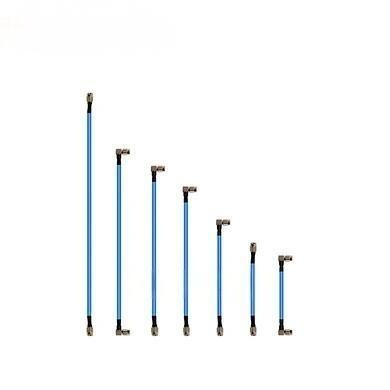
nnIn the world of radio frequency (RF) and telecommunications, the reliability of your connections can make or break your system’s performance. Among the unsung heroes of this domain is the SMA jumper cable—a flexible yet robust link designed to transfer signals with minimal loss. These cables are engineered to meet strict standards, offering high durability and exceptional electrical stability. Whether you are installing a new antenna system, maintaining a wireless network, or working on laboratory test setups, understanding the features and benefits of these cables is essential for achieving optimal results. This article delves into the core aspects that make premium SMA jumper cables a dependable choice for professionals.nn
Key Features and Benefits of Premium Jumper Cables
nn
High Pull-Off Strength for Reliable Connections
nnOne of the standout features of modern jumper cables is their high pull-off strength. This mechanical resilience ensures that the connector remains securely attached to the cable, even under stress from installation, movement, or environmental factors. For applications where cables may be frequently connected and disconnected, this characteristic minimizes the risk of sudden signal loss or physical damage, thereby extending the lifespan of your entire RF infrastructure.nn
Excellent VSWR Performance for Signal Integrity
nnVoltage Standing Wave Ratio (VSWR) is a critical metric in RF systems, measuring how efficiently power is transmitted from the source to the load. A low VSWR indicates minimal signal reflection, which directly translates to better performance and reduced interference. These jumper cables achieve excellent VSWR values, often ≤1.15, ensuring that your system operates with high efficiency. This is particularly important in sensitive environments like broadcast, satellite communications, and wireless data networks, where clarity and stability are non-negotiable.nn
Low and Stable Intermodulation
nnIntermodulation distortion can introduce unwanted frequencies that degrade signal quality. By maintaining low and stable intermodulation levels, these cables help preserve the purity of the transmitted signal. This feature is valuable in multi-frequency systems, such as cellular towers or two-way radio networks, where multiple signals coexist and must not interfere with each other.nn
Weatherproof Design for Outdoor Applications
nnExposure to moisture, temperature extremes, and UV radiation can compromise standard cables. These jumper cables are built with a weatherproof construction, including IP67-rated watertightness. This means they can withstand rain, dust, and immersion in water up to one meter, making them ideal for outdoor antenna installations, base stations, and other rugged environments.nn
Understanding the SMA Jumper Cable Specifications
nnTo make an informed selection, it is crucial to examine the technical parameters that define a cable’s performance. Below is a comprehensive breakdown of the specifications for a typical high-quality SMA jumper cable, such as the model MOP-JC-RG141/RG402-SMAX/SMAX. This table consolidates all relevant data for quick reference.nn
| Parameter | Specification |
|---|---|
| Model | MOP-JC-RG141/RG402-SMAX/SMAX |
| Cable Type | RG141 |
| Length | As per customized |
| Connector Type | SMA Male |
| Connector A | SMA Male |
| Connector B | SMA Male |
| Connector Pin Material | Brass / Au Plating |
| Body Material | Brass / Ni Plating |
| Insulator Material | PTFE |
| Gasket Material | Silicone Rubber |
| Impedance | 50 ohm |
| Frequency Range | DC – 2.5 GHz |
| VSWR (Voltage Standing Wave Ratio) | ≤1.15 |
| Dielectric Withstanding Voltage | ≥2500V RMS, 50Hz |
| Insulation Resistance | ≥5000 MΩ |
| Mating Cycles | ≥500 cycles |
| Watertightness Rating | IP67 |
| RoHS Compliance | Fully compliant |
| Operating Temperature Range | -40°C ~ +85°C |
nn
Practical Applications and Usage Recommendations
nnDue to their robust design and superior electrical properties, SMA jumper cables are widely used in wireless infrastructure, test instrumentation, and amateur radio setups. Their ability to handle frequencies up to 2.5 GHz and maintain a low VSWR makes them perfect for bridging connections between antennas, splitters, and radios. The high mating cycle rating ensures longevity in environments where cables are frequently swapped, such as in labs or field deployments.nn
The SMA Jumper Cable as a Foundation for Reliable RF Systems
nnWhen choosing the right cabling for your RF network, the SMA jumper cable stands out as a robust, high-performance solution. From its exceptional pull-off strength and low VSWR to its weatherproof IP67 rating, every detail is engineered for reliability. The specifications outlined above provide a clear picture of what to expect: stable impedance, durability against repeated use, and compliance with industry standards like RoHS. By investing in a quality SMA jumper cable, you ensure that your system delivers consistent, clear signals, even in challenging conditions. Always verify your length and connector requirements to maximize the cable’s benefits in your specific application.