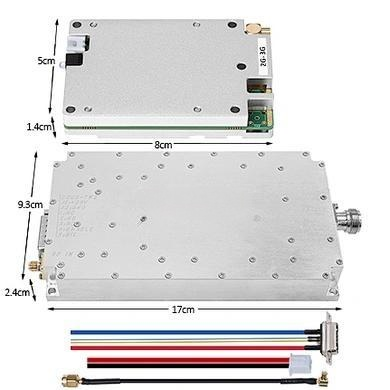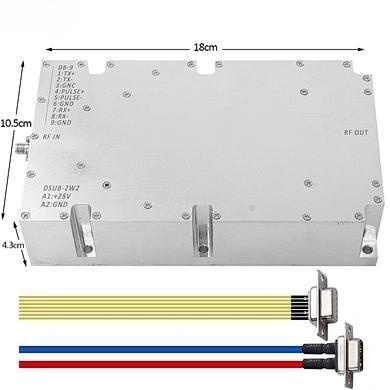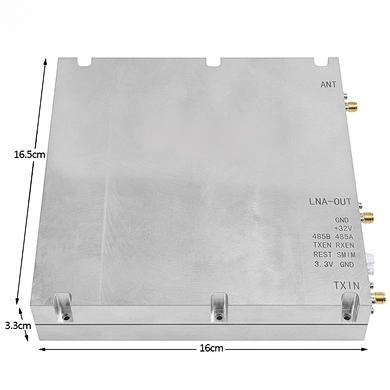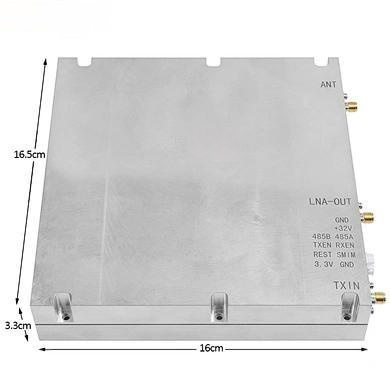
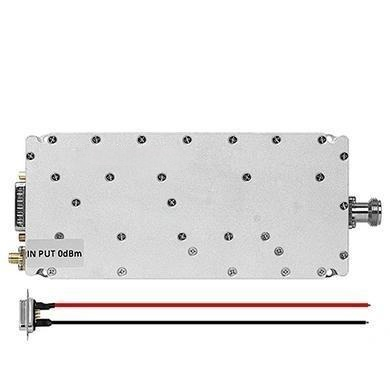
Unlocking Greater Control: The Evolution of the Power Amplifier MCU
n
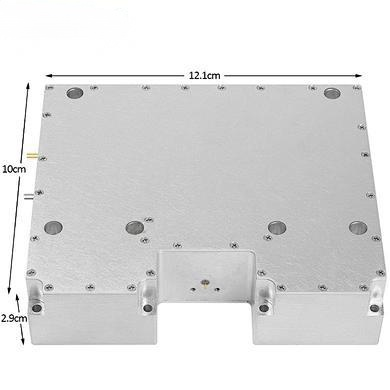
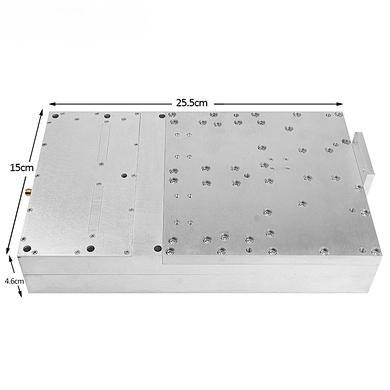
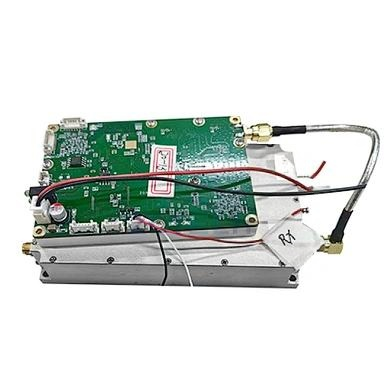
In the world of modular electronics, the microcontroller unit (MCU) has revolutionized how we approach system design. An MCU is a complete computer system on a single chip, integrating a central processing unit (CPU), memory, and input/output interfaces. This high level of integration, combined with low power consumption and straightforward programming, has made the power amplifier MCU the backbone of countless embedded applications. While simple 50W modules offer ease of use, their functionality is often limited. The introduction of the wideband RF power amplifier marks a significant step forward, offering advanced capabilities that far surpass traditional, fixed-function modules.
n
The modern power amplifier MCU brings a new level of intelligence and adaptability to RF systems. Unlike its predecessors, which required hardware modifications for any change in operation, this new generation of modules leverages software control to deliver unprecedented flexibility. This shift not only simplifies the user experience but also dramatically reduces downtime and operational costs.
nn
Key Advantages of the Advanced MCU Module
n
The following features demonstrate how the latest power amplifier MCU modules outperform conventional 50W units, offering greater control and insight into system performance.
nn
Adjustable Frequency and Wattage via Software Control
n
One of the most compelling features of this new MCU module is its ability to provide a high degree of flexibility through software-driven parameter adjustments. Instead of being locked into a fixed output, users can now modulate the power of the module by simply modifying settings in the control software. Beyond power, users can also change the signal channels and directly alter the frequency band configuration on the fly. This software-based band switching eliminates the need to repurchase new modules or send existing power amplifiers with MCU back to the factory for reconfiguration—a process that is both time-consuming and inconvenient.
n
This level of software control allows users to fine-tune the MCU power amplifier’s output to match the specific requirements of their application. Whether adjusting power levels for efficiency or switching frequency bands to avoid interference, the system can be optimized in real-time. This capability not only improves the overall efficiency of module usage but also greatly simplifies maintenance and firmware updates, ensuring the device remains adaptable to evolving market demands.
nn
Enhanced Safety with Enabling Switch Control
n
This digital PA module is also equipped with a sophisticated enabling switch control function. Through a dedicated enable line, users can precisely control whether the module outputs power. This feature significantly enhances both the safety and reliability of the system. The enabling switch allows the power output to be instantly cut off or restored as needed, providing a critical safeguard against accidental overloads or electrical faults. By protecting the module and its connected equipment from potential damage, this function adds a robust layer of operational security.
nn
Comprehensive Forward and Reverse Power Detection
n
Beyond control, the power amplifier MCU offers advanced diagnostic capabilities through forward and reverse power detection. Forward power refers to the energy transmitted from the source to the load—essentially the transmit or output power. Reverse power, on the other hand, is the energy reflected from the load back to the source, which can indicate impedance mismatches or antenna issues. By monitoring both the RF signal power from the high power amplifier and the reflected signal, users can continuously verify the performance and efficiency of the power amplifier MCU.
n
This dual-detection function is crucial for optimizing system reliability. It allows users to monitor the module’s operating status in real-time, ensuring it always performs at its peak. By identifying problems early, such as excessive reverse power that could lead to overheating, users can take corrective action to maintain optimal working conditions and extend the lifespan of the equipment.
nn
Technical Specifications of the MCU RF Power Module
nn
| Parameter | Specification |
|---|---|
| Frequency Range | 20-150 MHz (50W DDS) |
| Type | RF Module |
| Place of Origin | Guangdong, China |
| Brand Name | MOPTECH |
| Supplier Type | MANUFACTURER |
| Max Output Power | 47 ±1 dBm |
| Gain | 47 dB |
| Operating Voltage | DC +28V |
| Operating Current | ≤4 A |
| VSWR | ≤1.5 |
| Output RF Port | SMA-KFD |
| Working Temperature | -30 to +65 ℃ |
| Storage Temperature | -15 to +65 ℃ |
| Lead Time | Negotiated |
| Selling Units | Single item |
| Package Dimensions | 20 x 10 x 5 cm |
| Gross Weight | 1.000 kg |
nn
Conclusion: The Intelligent Choice for Modern Systems
n
The transition from a basic 50W module to a feature-rich power amplifier MCU represents a significant leap in performance and usability. By integrating software-adjustable frequency and wattage, a safety-enabling switch, and real-time forward and reverse power detection, this advanced MCU module empowers users with the control and diagnostic tools needed for high-stakes applications. Whether for industrial, communication, or testing environments, the flexibility of software control combined with rugged hardware design ensures that this power amplifier MCU is a superior choice for engineers and system integrators seeking both performance and adaptability.