Revolutionizing Radar: An In-Depth Look at the High-Power Wideband Microwave Amplifier
nn
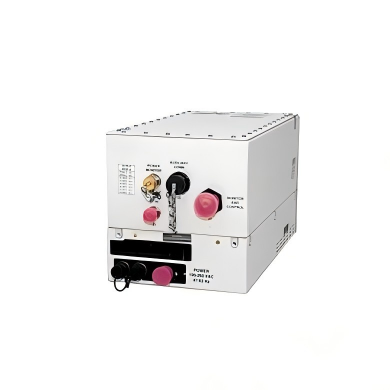
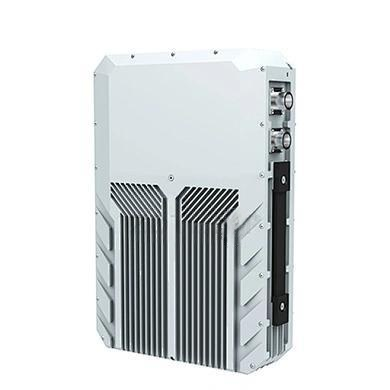
In the demanding world of advanced radar systems, signal integrity, power, and reliability are non-negotiable. As military, aerospace, and commercial applications push the boundaries of detection and communication, the equipment driving these systems must evolve. At the heart of this evolution is a new class of high-performance solution: the wideband microwave amplifier. Designed for the challenging 2 to 40 GHz frequency range, this amplifier delivers exceptional power output, spanning from 10 to a formidable 400 watts. This ensures robust performance for everything from long-range surveillance to precise target acquisition. With a focus on minimizing signal loss and maximizing efficiency, this solid-state marvel offers a clear advantage over older technologies, providing the adaptability required for diverse operational environments. Its wideband capability allows for seamless operation across a broad spectrum, offering unprecedented flexibility in dynamic electronic warfare and communication scenarios.
nn
Core Performance Parameters and the Importance of a Wideband Microwave Amplifier
nn
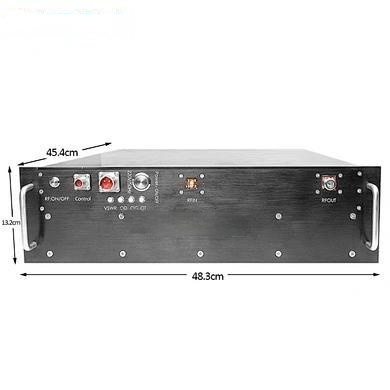
When evaluating a microwave amplifier for critical radar applications, specific technical specifications determine its suitability. A truly high-performance solution must balance raw power with precision and stability. This amplifier is engineered to excel across these metrics. Its low Voltage Standing Wave Ratio (VSWR) of 1.8:1 is a critical feature, as it dramatically reduces signal reflection. This ensures that the maximum amount of power is transferred from the amplifier to the antenna, enhancing the overall efficiency and reliability of the radar system. Furthermore, the gain flatness of 0.5 dBp-p guarantees consistent signal amplification across the entire operating bandwidth. This minimal distortion is vital for preserving the fidelity of radar signals, allowing for accurate detection and tracking without data corruption. The table below provides a comprehensive overview of the electrical and mechanical specifications that define this robust system.
nn
| Electrical Specifications | |
|---|---|
| Frequency Range | 2~18 / 18~26 / 26~40 / 18~40 GHz |
| Power Output | 10~400 W |
| Gain Adjustment | 0~30 dB (step 0.1 dB) |
| Gain Flatness | 0.5 dBp-p |
| Input VSWR | 1.8:1 |
| Spurious | -60 dBc |
| Operating Voltage | 220 VAC |
| Mechanical Specifications | |
| Dimensions (W x H x D) | 460 × 355 × 130 mm |
| Weight | 24 kg |
| RF I/O Connectors | WR10 / BJ900 |
nn
The Advantage of Solid-State Technology in a Wideband Microwave Amplifier
nn
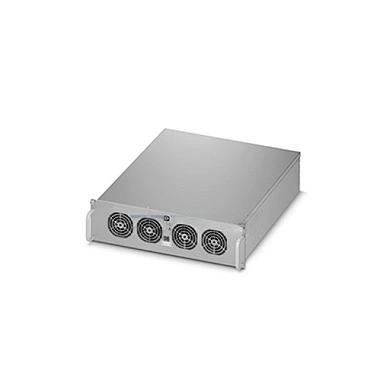
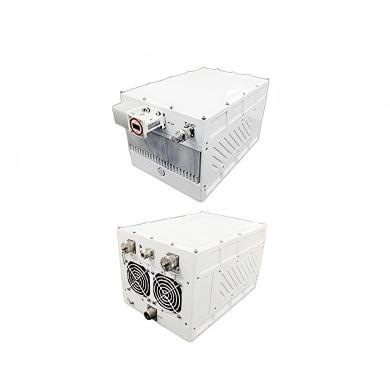
The shift towards solid-state technology represents a quantum leap forward in microwave amplifier design. Unlike traditional tube-based amplifiers, which suffer from inherent fragility, heat inefficiency, and higher maintenance requirements, this solid-state construction offers superior durability and thermal management. The compact design—measuring just 460×355×130 mm and weighing a manageable 24 kg—allows for seamless integration into space-constrained radar and communication systems. Whether deployed in a ground-based surveillance station, on an aerospace platform, or within a naval electronic warfare suite, its robust construction ensures long-term, maintenance-free operation.
nn
Versatility Across Critical Applications
nn
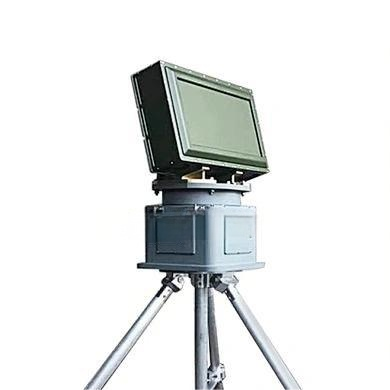
The broad frequency coverage and high power output make this device a cornerstone for modern radar systems. It excels in long-range surveillance applications where signal strength must overcome atmospheric attenuation. For target acquisition, the precise gain control and low spurious output (-60 dBc) facilitate clear discrimination of objects. In the complex arena of electronic warfare, the wideband microwave amplifier provides the agility to adapt to rapidly changing threats, offering the power and bandwidth necessary for jamming and countermeasure systems. Its ability to perform reliably across such a diverse range of missions underscores its value as a versatile tool for advancing wireless communication and defense capabilities.
nn
Unlocking the Future of Radar with the Wideband Microwave Amplifier
nn
In conclusion, this high-performance microwave amplifier stands as a testament to the power of solid-state engineering. Its combination of wideband frequency agility, exceptional power output from 10 to 400 watts, and key features like low VSWR and precise gain flatness makes it an ideal choice for the most stringent radar and communication requirements. By minimizing signal loss and distortion while maximizing durability and efficiency, this amplifier ensures that your critical systems operate at peak performance. If you are interested in integrating this wideband microwave amplifier into your next project, or if you require expert technical support, please contact us today. We will serve you wholeheartedly, working together to drive the next generation of wireless communication technology forward.