Next-Generation 4km 1D and 2D Phased Array Radar: Redefining Drone Defense Systems
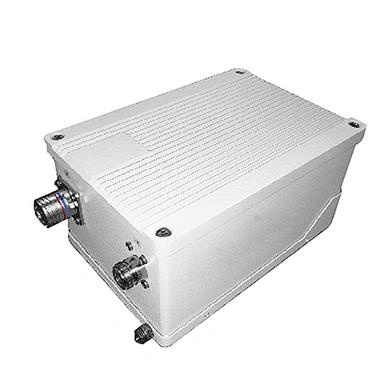
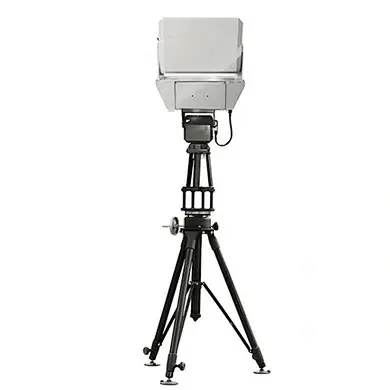
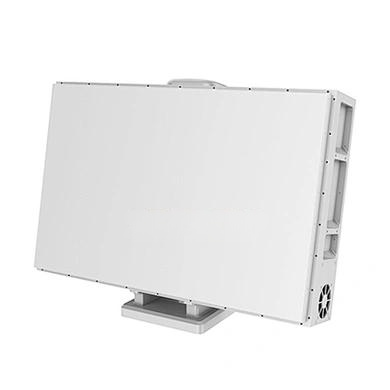
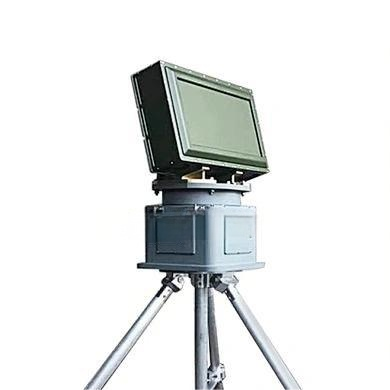
nnIn the rapidly evolving landscape of aerial threats, the need for robust and reliable anti drone technology has never been more critical. The 4km 1D and 2D phased array radar emerges as a game-changing solution for counter unmanned aircraft systems (C-UAS), offering unparalleled detection and tracking capabilities tailored to the challenges of modern airspace security. This advanced UAV detection radar operates in the Ku-band, leveraging two-dimensional active phased array technology to deliver real-time, three-dimensional tracking of small, low-altitude threats—including commercial drones like the DJI Phantom 4P 2.0. With a maximum effective range of ≥4 km and the ability to simultaneously monitor up to 64 targets, the system ensures comprehensive airspace coverage, positioning itself as a cornerstone of modern drone defense systems.nn
Unmatched Precision and Tracking Performance
nnPrecision is the hallmark of this radar system. Its hybrid scanning mechanism combines electronic azimuth scanning from −45° to 45° with 360° mechanical rotation, effectively eliminating blind spots and ensuring continuous surveillance. The elevation range of −10° to 50° adapts to complex terrains and urban environments, making it versatile for diverse deployment scenarios. Performance metrics are equally impressive: distance accuracy is within 10 meters, azimuth accuracy is ≤0.5°, and pitch accuracy is ≤0.8°. These specifications guarantee reliable threat identification for anti drone devices deployed in high-stakes scenarios, from military bases to critical infrastructure.nn
Key Specifications of the 4km 1D and 2D Phased Array Radar
nn
| Parameter | Specification |
|---|---|
| Frequency Band | Ku Band |
| Working System | Two-dimensional active phased array, three-coordinate radar |
| Target Speed Range | 1–100 m/s |
| Maximum Effective Detection Range | ≥4 km @6s tracking (typical target: DJI Phantom 4P 2.0) |
| Detection Direction (Electronic Scanning) | −45° to 45° |
| Detection Direction (Mechanical Scanning) | Covers 360° |
| Detection Pitch | −10° to 50° |
| Close-Range Blind Area (Tracking) | ≤150 m |
| Close-Range Blind Area (Searching) | ≤150 m |
| Distance Accuracy | 10 m |
| Azimuth Accuracy | ≤0.5° |
| Pitch Angle Accuracy | ≤0.8° |
| Simultaneous Target Capacity | ≥64 |
| Protection Grade | IP65 |
nn
Seamless Integration with Anti-Drone Technology
nnBeyond standalone performance, the 4km 1D and 2D phased array radar excels as a core component of broader drone defense systems. Its rapid target speed detection (1°·100 m/s) enables early warning and swift response, allowing seamless integration with engagement systems such as RF jammers, GPS spoofing modules, and laser-based hard-kill systems. This interoperability is critical for counter unmanned aircraft systems that require coordinated, multi-layered defense against sophisticated drone threats. The radar’s advanced signal processing minimizes false alarms while maximizing target acquisition speed, ensuring reliability even in cluttered electromagnetic environments—a vital feature for modern anti drone technology facing coordinated swarm attacks.nn
Durability and Deployment Flexibility
nnBuilt to withstand harsh conditions, the radar complies with IP65 protection standards, making it suitable for outdoor operation in rain, dust, and extreme temperatures. Its modular design allows for flexible deployment in fixed, mobile, or portable configurations, catering to a wide range of applications: military bases, critical infrastructure, event protection, and public safety operations. By providing persistent, high-resolution surveillance, this UAV detection radar addresses the growing need for proactive counter unmanned aircraft systems in an era where drone threats are increasingly sophisticated and pervasive.nn
The Future of Aerial Threat Mitigation
nnIn conclusion, the 4km 1D and 2D phased array radar sets a new standard for drone defense systems, combining unmatched accuracy, scalability, and resilience. Whether used for perimeter security, battlefield awareness, or urban protection, it enhances the effectiveness of anti drone devices by delivering reliable threat identification and seamless integration with engagement platforms. As drone threats evolve, this radar empowers operators to stay ahead, redefining the future of aerial threat mitigation in the counter unmanned aircraft systems domain.