Revolutionizing Airspace Security: Advanced Fixed Drone Detection Technology
nn
In an era where unmanned aerial vehicles (UAVs) are increasingly prevalent, safeguarding critical infrastructure, public events, and airspace has never been more challenging. Traditional security measures often fall short against the speed and agility of modern drones. Enter the next generation of fixed drone detection systems—a sophisticated solution designed to provide real-time, reliable monitoring across vast areas. This article delves into the cutting-edge technologies that power these systems, from passive detection and spectrum analysis to precise positioning and protocol analysis, ensuring you have the intelligence needed to protect your assets effectively.
nn
Whether you are responsible for airport security, government facilities, or large-scale public gatherings, understanding the capabilities of a robust fixed drone detection system is crucial. These systems are engineered to operate in complex electromagnetic environments, offering seamless integration with existing security protocols. By combining omnidirectional coverage with rapid response times, they deliver unparalleled situational awareness, allowing security teams to identify, track, and neutralize potential threats before they escalate.
nn
How Fixed Drone Detection Works: A Technical Overview
nn
At its core, a fixed drone detection system leverages a multi-layered approach to identify and locate UAVs. Passive detection methods ensure stealthy operation, emitting no signals that could alert a drone operator. Instead, the system analyzes radio frequency (RF) emissions from the drone’s communication and control links. Combined with spectrum analysis, it can distinguish between different drone models and even read unique serial numbers. This technology is not just about detection; it’s about actionable intelligence.
nn
Key Technologies in Fixed Drone Detection
nn
- n
- Passive Detection & Spectrum Analysis: No active transmission means zero interference with other wireless systems. The system continuously scans the RF spectrum, identifying drone signatures amidst background noise.
- AOA (Angle of Arrival) Positioning: Using multiple antennas, the system triangulates the drone’s exact location, providing both azimuth and elevation data for precise tracking.
- Protocol Analysis: Decoding the communication protocol between the drone and its controller allows for identification of manufacturer, model, and even the pilot’s location.
- Black/White List Management: Authorized drones can be pre-approved (white list), while suspicious or unauthorized units are flagged (black list) for immediate action.
n
n
n
n
nn
Comprehensive Specifications for Reliable Operation
nn
To ensure peak performance in diverse environments, the fixed drone detection system is built with robust hardware and advanced software. The following table outlines the critical specifications that define its capabilities:
nn
| Parameter | Specification |
|---|---|
| Frequency Range | 300–6000 MHz (full coverage) |
| Detection Method | Passive detection, spectrum analysis, AOA positioning, protocol analysis |
| Response Time | ≤ 2 seconds |
| Detection Radius | 5 km (with variations based on wireless environment and target model; can extend up to 10 km under optimal conditions) |
| Horizontal Detection Angle | 360° (omnidirectional) |
| Pitch Range (Direction Finding) | -20° to 70° |
| Pitch Range (Accurate Identification) | -70° to 90° |
| Azimuth Accuracy | ≤ 3° |
| Drone Identification | Mainstream model recognition, serial number reading |
| Positioning Capabilities | Longitude, latitude, distance, altitude of both drone and pilot |
| Protection Level | IP66 (dust-tight and protected against powerful water jets) |
| Operating Temperature | -45°C to +70°C |
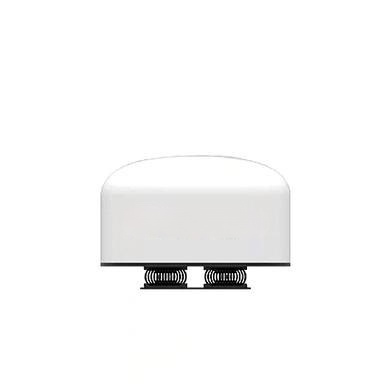
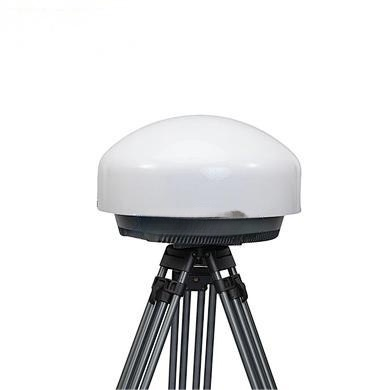
| Dimensions | Φ590mm × H350mm |
| Additional Features | Black/white list management, model library update, high adaptability to complex electromagnetic environments |
nn
Understanding Performance Metrics
nn
Each specification in the table above contributes to the system’s overall effectiveness. For instance, the frequency range of 300–6000 MHz ensures compatibility with virtually all consumer and commercial drones, while the rapid response time of ≤2 seconds allows for immediate threat assessment. The 360° horizontal coverage combined with a wide pitch range means no blind spots, whether the drone is directly overhead or at low altitude. Protection level IP66 guarantees reliable operation in rain, dust, and extreme temperatures, making it suitable for outdoor installations in any climate.
nn
Applications for Fixed Drone Detection in Modern Security
nn
The versatility of a fixed drone detection system makes it invaluable across multiple sectors. Its ability to operate in complex electromagnetic environments—where interference from Wi-Fi, cellular networks, and other RF sources is common—sets it apart from simpler solutions. Below are key use cases:
nn
Critical Infrastructure Protection
n
Airports, power plants, and government buildings require constant vigilance. The system’s ability to pinpoint both the drone and its operator enables security personnel to intercept threats quickly, preventing espionage, sabotage, or disruption.
nn
Airspace Management
n
For airports and heliports, unauthorized drone flights pose severe safety risks. Fixed drone detection provides real-time alerts, allowing air traffic controllers to issue warnings or initiate countermeasures, ensuring safe skies.
nn
Public Events and Venues
n
Large gatherings such as sports events, concerts, or political rallies are prime targets for drone-based attacks or surveillance. By integrating this system, event security can maintain a clear picture of the airspace, effectively managing risks without disrupting the event itself.
nn
Conclusion: Why Fixed Drone Detection Is Essential Today
nn
As drone technology evolves, so must our defenses. A high-quality fixed drone detection system is no longer a luxury but a necessity for any organization serious about security. By combining passive detection, spectrum analysis, AOA positioning, and protocol analysis, it offers a comprehensive solution that is both proactive and reactive. With coverage from 300–6000 MHz, a detection radius of up to 10 km, and robust protection against the elements, this technology ensures you stay one step ahead of potential threats.
nn
From key site protection to airspace management, investing in a reliable fixed drone detection system provides peace of mind and operational confidence. It is an investment in safety, efficiency, and the future of secure airspace. Don’t wait for an incident to highlight vulnerabilities—implement this proven technology today and take control of your skies.