Understanding the Critical Role of the External Combiner in Modern Networks
nn
In the fast-evolving world of telecommunications, the demand for seamless, high-capacity connectivity is relentless. At the heart of many robust signal distribution systems lies a component often overlooked but absolutely vital: the External Combiner. This device is the linchpin for merging multiple frequency bands into a single, unified signal path, ensuring that networks can operate efficiently without interference. Whether you are optimizing a 4G LTE rollout or preparing infrastructure for 5G, understanding the precise specifications of your External Combiner can make or break network performance.
nn
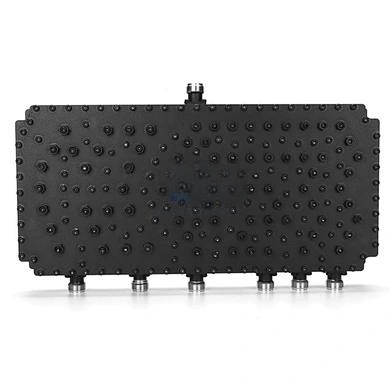
An External Combiner is designed to consolidate signals from different base station transmitters, allowing them to share a common antenna feed. This reduces the need for multiple antennas, saving on tower space, installation costs, and wind loading. But not all combiners are created equal. The key to superior performance lies in meticulous engineering around frequency range, insertion loss, isolation, and intermodulation products.
nn
Key Technical Specifications of the External Combiner
nn
To fully appreciate what a high-quality External Combiner brings to a network, one must dissect its technical parameters. The following table outlines the core specifications that define its operational capability and reliability.
nn
| Parameter | Specification / Value |
|---|---|
| Frequency Range | 791-827 MHz, 925-960 MHz, 1520-1670 MHz, 1710-1880 MHz, 2110-2170 MHz, 2300-2400 MHz |
| Insertion Loss | ≤ 0.6 dB |
| VSWR (Voltage Standing Wave Ratio) | ≤ 1.25 |
| Isolation | > 65 dB |
| Intermodulation Products | ≤ -143 dBc (with 2 x 43 dBm input) |
| Maximum Input Power | 250 W |
| Impedance | 50 Ω |
| Operating Temperature Range | -25°C to +65°C |
| Relative Humidity | 0% to 95% |
| Connector Type | 7-PCS N-Female |
| Color | Black |
nn
Decoding the Frequency Range and Insertion Loss
nn
The ability of this External Combiner to handle six distinct frequency bands—from 791 MHz up to 2400 MHz—makes it incredibly versatile. It covers essential cellular bands for GSM, LTE, and initial 5G deployments, as well as critical ISM and public safety bands. The insertion loss of just 0.6 dB is remarkably low. This means almost all of the input power passes through the combiner to the antenna, minimizing signal degradation and ensuring that coverage range is not compromised. For network operators, this directly translates to lower power consumption and better signal quality at the cell edge.
nn
Isolation and Intermodulation: The Pillars of Signal Purity
nn
One of the most demanding aspects of combining multiple high-power signals is preventing them from interfering with each other. The isolation specification of greater than 65 dB is exceptional. It guarantees that signals from one input port are effectively blocked from leaking into another port, preventing cross-talk between different radio systems. Furthermore, the intermodulation products are kept to an astonishingly low -143 dBc. This low PIM (Passive Intermodulation) specification is critical in modern networks where even tiny amounts of distortion can desensitize receivers and degrade data throughput. A high-quality External Combiner ensures that the combined output remains clean and free from spurious signals, maintaining the integrity of the broadcast.
nn
Environmental Durability and Connectivity
nn
Deployment environments for an External Combiner can be harsh, from scorching desert rooftops to freezing northern installations. The robust operating temperature range of -25°C to +65°C, coupled with resistance to 95% relative humidity, certifies its readiness for outdoor use. The use of 7-PCS N-Female connectors provides a secure, weather-resistant interface that is a standard in the industry for high-frequency and high-power applications. The choice of a black, durable housing not only provides protection but also helps with thermal dissipation and UV resistance.
nn
Why the Right Combiner Matters for Your Network
nn
Selecting the correct External Combiner is more than a technical checkbox; it is a strategic investment in network reliability. An improperly specified combiner with high insertion loss wastes power and reduces coverage. Poor isolation leads to interference, while high intermodulation products can cripple data speeds. By adhering to the specifications laid out above—especially the low 0.6 dB loss and extremely high 65 dB isolation—you are ensuring that your base station operates at peak efficiency.
nn
In conclusion, the External Combiner detailed here stands as a prime example of precision engineering. Its wide frequency coverage, minimal signal loss, and superior isolation make it an indispensable tool for any telecommunications professional aiming to build a clean, powerful, and interference-free network. When planning your next infrastructure upgrade, let the specifications of your combiner be your guide to outstanding performance.