Introduction
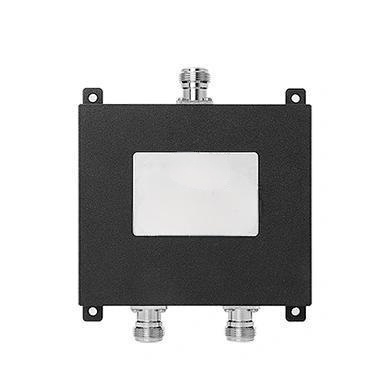
nnHybrid couplers are essential components in modern RF and telecommunications networks, enabling efficient signal splitting and combining while maintaining high performance. Among the various designs available, the cavity structure hybrid coupler stands out for its exceptional electrical characteristics and reliability. This article explores the key features and technical specifications of a high-performance hybrid coupler, focusing on how its design delivers superior signal integrity and power handling across a wide frequency range.nn
Key Features of the Hybrid Coupler
nnThe hybrid coupler described here incorporates several advanced design elements that make it suitable for demanding applications. Understanding these features is crucial for selecting the right component for your system.nn
Wide Frequency Range and Coupling Flatness
nnThe device operates from 88 MHz to 1000 MHz, covering a broad spectrum that includes VHF, UHF, and cellular bands. This wide frequency range ensures versatility in various communication systems, from broadcast to 4G/LTE networks. Excellent coupling flatness across this range means that the output signals maintain consistent amplitude, minimizing distortion and ensuring reliable performance.nn
High Directivity and Isolation
nnOne of the standout characteristics of this hybrid coupler is its high directivity and isolation performance. With isolation rated at ≥25 dB and return loss at ≥20 dB, the device effectively separates the input and output ports, reducing unwanted signal reflections and cross-talk. This is particularly important in multi-channel systems where signal integrity is critical.nn
High Power Handling and Low Loss
nnThe cavity construction enables high power handling capability, supporting up to 100 W per input port, with a total power capacity of 200 W. Combined with low insertion loss (≤3.5 dB including distribution loss and fluctuation) and low VSWR, this hybrid coupler ensures efficient power transmission without significant attenuation. The low PIM (Intermodulation Distortion, IM3) rating of ≤-150 dBc @ +43 dBm×2 further underscores its suitability for high-quality, interference-sensitive applications.nn
Technical Specifications
nnThe following table details the complete technical parameters for this hybrid coupler product. These specifications are critical for engineers and system integrators when designing and verifying performance for specific use cases.nn| Parameter | Value |n|———–|——-|n| Frequency Range | 88 – 1000 MHz |n| Insertion Loss | ≤ 3.5 dB (Including Distribution Loss and Fluctuation) |n| Isolation | ≥ 25 dB |n| Return Loss | ≥ 20 dB |n| VSWR | ≤ 1.25:1 (typical) |n| Impedance | 50 Ω |n| PIM (IMD3) | ≤ -150 dBc @ +43 dBm × 2 |n| Connectors | N-Female |n| Power Handling | 100 W per Input port (Total power 200 W) |n| Operating Temperature | -25 to +70 °C |n| Environmental Humidity | 0 to 95% |n| Environmental Rating | Indoor |n| Material | Cavity: Aluminum, silver-plated; Connector: Copper |nn
Construction and Material Quality
nnThe robust cavity structure is crafted from aluminum with a silver-plated finish, ensuring excellent conductivity and corrosion resistance. The connectors are made from high-quality copper, providing reliable signal transfer and long-term durability. This alloy combination enhances thermal management and maintains consistent electrical performance even under high power conditions. The indoor-rated design is suitable for controlled environments, though it also tolerates a wide humidity range from 0 to 95%.nn
Applications and Benefits
nnGiven its performance characteristics, this hybrid coupler is well-suited for:n- Base station antenna systemsn- Distributed antenna systems (DAS)n- Signal combining and splitting in cellular networksn- Test and measurement setups requiring low loss and high isolationn- Broadcasting and two-way radio systemsnnThe low PIM and high directivity make it particularly valuable in modern cellular systems where interference must be minimized to maintain call quality and data throughput. Additionally, the wide operating temperature range ensures reliable operation across diverse geographic regions.nn
Conclusion
nnIn summary, this hybrid coupler offers a compelling combination of wide frequency coverage, high power handling, low insertion loss, and excellent isolation. Its cavity design and stringent PIM specifications make it an ideal choice for high-performance RF applications. Whether you are upgrading existing infrastructure or designing new systems, this hybrid coupler delivers the reliability and performance needed to maintain signal integrity in demanding environments. By incorporating this component, engineers can ensure robust and efficient signal distribution while minimizing interference and signal degradation.