Superior Filter Performance Through Integrated Design
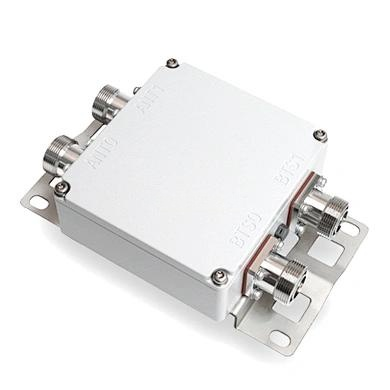
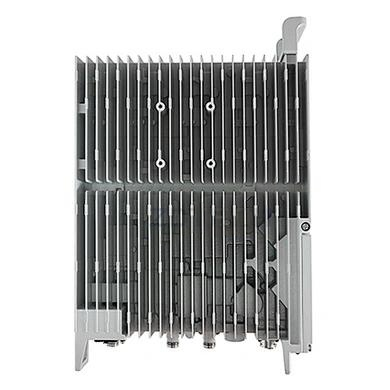
nnIn the demanding world of telecommunications, every component must deliver flawless performance. The focus keyword for this article, Integrated structure design, represents a cutting-edge approach that elevates filter quality beyond traditional manufacturing methods. By milling the filter from a single solid piece of material, manufacturers eliminate soldered joints and weak points that compromise signal integrity. This seamless construction ensures that the filter maintains superior electrical characteristics, including lower passive intermodulation (PIM), reduced insertion loss, higher isolation, and exceptional power handling capacity. Whether deployed in a dense urban environment or a remote tower installation, this integrated structure design guarantees that the filter will operate reliably, even under extreme conditions.nn
The Engineering Advantage of Solid-Block Construction
nnWhen a filter consists of soldered parts, each joint introduces potential for signal degradation. Soldered connections can create impedance mismatches and contribute to PIM, which degrades network clarity and capacity. In contrast, the integrated structure design eliminates these issues entirely. The filter body is machined from a single aluminum or copper alloy block, creating a continuous, low-loss pathway for radio frequency signals. This approach delivers measurable benefits: insertion loss remains below 1.0 dB, while rejection exceeds 70 dB in the critical 890–960 MHz band. The resulting return loss is 18 dB or better, ensuring that reflected power is minimized. These specifications translate directly to improved network performance, fewer dropped calls, and higher data throughput for end users.nn
Robust Protection for Uncompromised Stability
nnTelecommunications equipment must withstand harsh environmental conditions, from scorching heat to freezing cold, and from dry air to torrential rain. The filter’s IP67-rated ingress protection provides a complete seal against dust and temporary submersion in water, ensuring that internal components remain dry and functional. Additionally, the filter operates across a temperature range from -40°C to +85°C and withstands relative humidity up to 95%. This robust protection, combined with the integrated structure design, ensures stable performance in any environment, whether mounted on a tower, rooftop, or wall.nn
Convenient Mounting and Compact Footprint
nnField installation should be straightforward, not a source of frustration. The filter comes complete with mounting hardware for both wall and pole mount configurations, enabling versatile deployment options. Its compact design reduces space requirements on crowded towers and equipment racks, while the lightweight construction simplifies handling during installation. The filter supports a maximum input power of 150 watts and features a -155 dBc intermodulation specification (measured at 2 x 43 dBm), making it suitable for high-power base station applications. Standard connector options include Din-Female or 4.3-10 Female, providing compatibility with common RF cabling.nn
Technical Specifications
nnThe following table summarizes key parameters that define this filter’s performance and suitability for modern telecommunications networks.nn
| Parameter | Value |
|---|---|
| Type | Filter |
| Frequency Range (MHz) | 824–849 / 869–884 |
| Insertion Loss (dB) | ≤1.0 |
| Rejection (dB) | >70 @ 890–960 MHz |
| Return Loss (dB) | ≥18 |
| VSWR | ≤1.3 |
| Intermodulation Products (dBm) | -155 @ 2 x 43 dBm |
| Maximum Input Power (W) | 150 |
| Operating Temperature (°C) | -40 to +85 |
| Relative Humidity (%) | 0 to 95 |
| Impedance (Ω) | 50 |
| Dimensions (mm) | To be confirmed |
| Weight (g) | To be confirmed |
| Connector Type | Din-Female or 4.3-10 Female |
| Ingress Protection | IP67 |
| Color | Grey |
nn
Conclusion: Integrated Structure Design as a Foundation for Excellence
nnThe integrated structure design is not merely a manufacturing preference—it is a foundational principle that drives superior filter performance. By eliminating soldered joints, this approach lowers PIM, reduces insertion loss, enhances isolation, and increases power handling capacity. Combined with IP67 protection, wide temperature tolerance, and convenient mounting options, this filter represents a reliable choice for network operators who demand the highest signal quality. When you choose a filter built with integrated structure design, you invest in long-term network stability, reduced maintenance, and enhanced subscriber experience. For next-generation wireless networks, there is no substitute for solid-block engineering.