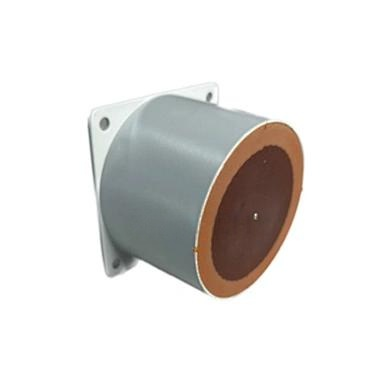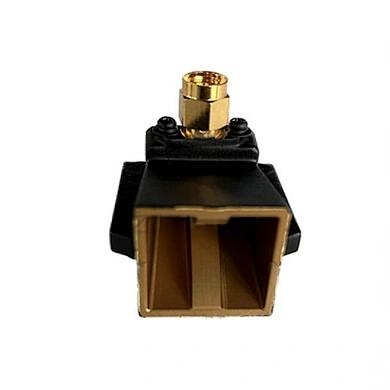
Cavity Filter: Superior Performance for Critical RF Applications
nn
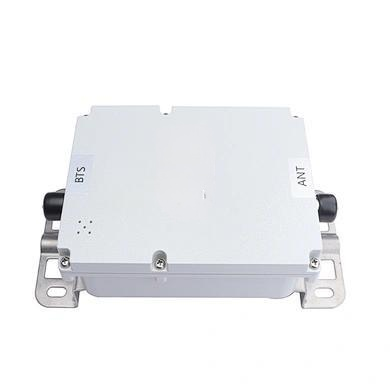
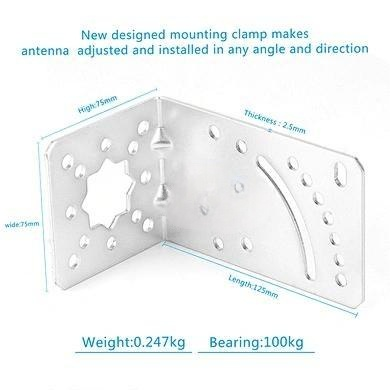
In the demanding world of radio frequency (RF) infrastructure, every component plays a pivotal role in ensuring signal clarity and network reliability. The cavity filter, built with precision and engineered for endurance, stands out as a vital solution for modern communication systems. The core innovation lies in its integrated structure. By milling the filter from a single solid piece of metal, manufacturers eliminate soldered joints, which are common weak points in traditional designs. This seamless construction guarantees superior electrical performance, leading to lower passive intermodulation (PIM), reduced insertion loss, and higher isolation. Additionally, the filter boasts a high power handling capacity, making it ideal for both cellular base stations and distributed antenna systems. Its robust IP67 protection ensures stable performance in any environment, from humid coastal zones to freezing mountain peaks. The included mounting hardware for wall and pole mounts simplifies installation, while the compact design saves valuable space at crowded tower sites.
nn
Uncompromising Electrical Performance and Reliability
nn
When dealing with multi-carrier and multi-band networks, interference is a constant threat. The cavity filter excels here, offering rejection levels that can exceed 70 dB in critical stopbands. This ensures that out-of-band signals are effectively suppressed, preserving the integrity of the desired transmission. The filter’s low insertion loss, typically less than 1.0 dB, minimizes signal attenuation, which translates directly to better coverage and reduced power consumption for amplifiers. A voltage standing wave ratio (VSWR) of 1.3 or lower indicates an excellent impedance match, reducing reflections and protecting sensitive front-end circuitry. For network operators, the intermodulation performance is a standout feature. With values as low as -155 dBc at 2×43 dBm, this filter minimizes spectral regrowth and keeps adjacent channels clean, even under high power conditions.
nn
Environmental Durability That Meets Industry Standards
nn
Deployed equipment must withstand extreme conditions. The cavity filter is engineered for an operating temperature range of -40°C to +85°C and a relative humidity tolerance of 0 to 95%. This makes it suitable for uncontrolled environments such as rooftops, towers, and shelters. The IP67 ingress protection rating guarantees complete protection against dust and temporary immersion in water, ensuring long-term reliability without the need for additional enclosures. The color-grey housing, often made from corrosion-resistant aluminum, further contributes to its durability.
nn
Mechanical and Technical Specifications
nn
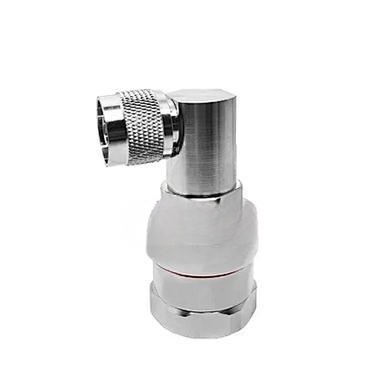
The design of this cavity filter prioritizes efficiency and ease of use. It supports a 50-ohm impedance and can handle a maximum input power of 150 watts. The connector type can be either Din-Female or 4.3-10 Female, offering flexibility for different system architectures. The following table provides a complete overview of the filter’s key parameters:
nn
| Parameter | Specification |
|---|---|
| Name | Filter |
| Frequency Range (MHz) | 824–849 / 869–884 |
| Insertion Loss (dB) | ≤ 1.0 dB |
| Rejection (dB) | > 70 dB @ (890–960 MHz) |
| Return Loss (dB) | ≥ 18 dB |
| VSWR | ≤ 1.3 |
| Intermodulation Products (dBm) | -155 dBc @ 2 x 43 dBm |
| Maximum Input Power (W) | 150 W |
| Operating Temperature (°C) | -40°C to +85°C |
| Relative Humidity (%) | 0 to 95% |
| Impedance (Ω) | 50 Ω |
| Physical Dimensions (mm) | To be confirmed |
| Weight (g) | To be confirmed |
| Connector Type | Din-Female or 4.3-10 Female |
| Ingress Protection | IP67 |
| Color | Grey |
nn
Cavity Filter Design: A Solution for Modern Networks
nn
The cavity filter represents a smart investment for network operators seeking to minimize downtime and maximize spectral efficiency. Its integrated construction not only improves electrical reliability but also simplifies logistics. With mounting hardware included and a compact form factor, installation teams can deploy it quickly without specialized tools. Whether used in tower-top amplifiers, base station combiners, or in-building coverage systems, this filter delivers consistent performance across temperature extremes. The ability to handle 150 watts of input power ensures compatibility with modern high-power base stations, while the low intermodulation characteristics support carrier aggregation and MIMO configurations.
nn
Why Choose This Cavity Filter?
nn
Choosing the right filter is crucial for maintaining signal quality in congested spectrum environments. This cavity filter stands out due to its milled, one-piece construction, which eliminates the risk of solder fatigue and performance drift over time. Its IP67 sealing provides peace of mind for outdoor installations, and the flexible connector options (Din-Female or 4.3-10 Female) allow integration with legacy and modern equipment alike. The filter’s rejection performance—exceeding 70 dB in adjacent bands—ensures that interference from nearby transmitters does not degrade the primary signal path. For network engineers, the low VSWR and high return loss translate to more stable amplifier operation and reduced heat dissipation.
nn
Conclusion
nn
In summary, the cavity filter offers an optimal balance of electrical performance, mechanical robustness, and environmental resilience. From its milled integrated structure that eliminates soldered joints to its IP67-rated housing, every aspect of its design is geared toward superior reliability. The cavity filter ensures lower insertion loss, higher isolation, and exceptional intermodulation performance, making it an essential component for high-density wireless networks. Whether you are upgrading an existing site or building a new one, this filter provides the technical foundation needed to deliver clear, uninterrupted service. Invest in the cavity filter to future-proof your infrastructure and maintain a competitive edge in connectivity.