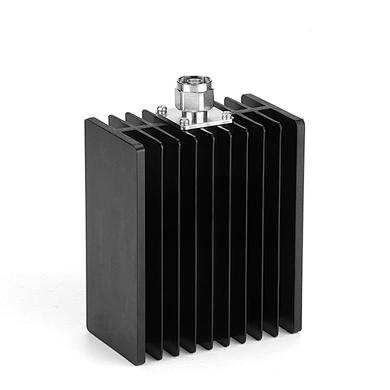
Understanding This Powerful RF Combiner
n
In the world of modern telecommunications, managing multiple frequency bands efficiently is a constant challenge. As networks evolve to support 4G, 5G, and beyond, the need for reliable, high-performance signal combining equipment has never been greater. This particular RF combiner stands out as a robust solution for system integrators and network engineers who require seamless integration of 1800MHz and 2100MHz signals. Whether you are upgrading an existing infrastructure or building a new distributed antenna system, this unit simplifies complex signal routing while maintaining signal integrity.
n
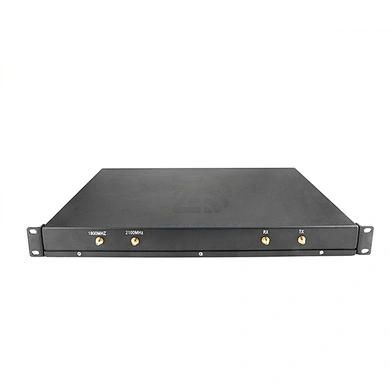
At the heart of its design is the ability to accept dual input signals and output them in a clean, combined format. The RF combiner features two dedicated DL/UL ports for the input side, each meticulously engineered to handle specific frequency ranges. This ensures that your network equipment can communicate without interference, even when multiple operators share the same physical space. The output, in turn, delivers a single dual-band downlink signal and a single dual-band uplink signal, dramatically reducing the number of cables and components needed in your rack.
nn
Critical Performance Metrics of the RF Combiner
n
Performance is measured not just by what the unit does, but by how well it does it. The insertion loss, rated at ≤ 2 dB, is a testament to the careful internal design. Minimum signal degradation means your power amplifiers and receivers see almost the full benefit of the combined signals. Additionally, the unit’s mechanical and environmental specifications ensure it can be deployed in a variety of settings, from controlled indoor data centers to more demanding outdoor enclosures.
n
Below, you will find the complete technical breakdown. All critical specifications have been organized into an easy-to-reference table to help you quickly assess compatibility with your existing hardware.
nn
| Parameter | Specification | Notes |
|---|---|---|
| Input Coupling Signal | 1x DL/UL + 1x DL/UL | Two independent input pairs |
| Supported System Bands | 1800MHz, 2100MHz | Dual-band capability |
| 1800MHz Frequency Range | 1710 – 1785 MHz (UL) / 1805 – 1880 MHz (DL) | Standard B3/LTE band |
| 2100MHz Frequency Range | 1920 – 1980 MHz (UL) / 2110 – 2170 MHz (DL) | Standard B1/LTE band |
| Output Signal | 1x Dual-band DL + 1x Dual-band UL | Combined signal output |
| Insertion Loss | ≤ 2 dB | Low signal attenuation |
| Dimensions (H x W x D) | 482 x 360 x 44 mm | 19” 1U rack mount format |
| Weight (approx.) | 4 kg | Lightweight for 1U unit |
| Connector Type | SMA – Female | Standard precision interface |
| Operating Temperature | -20 to +40 °C | Wide thermal tolerance |
| Operating Humidity | ≤ 85% | Non-condensing environments |
| Environmental Class | IP30 | Basic dust protection |
nn
Why the Physical Design Matters
n
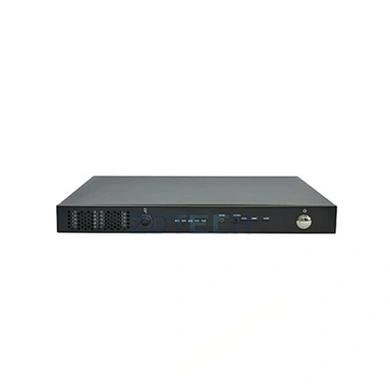
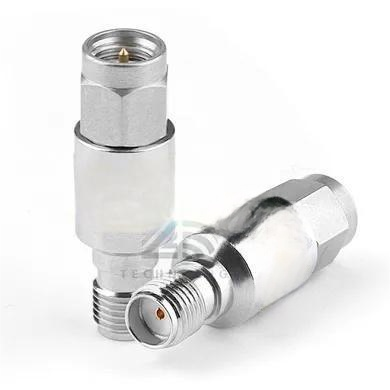
The 19-inch 1U form factor is a deliberate choice, allowing this RF combiner to slide effortlessly into standard telecom racks. At just 4 kg, it is light enough to be mounted without heavy lifting, yet its metal chassis provides the durability expected in 24/7 operational environments. The SMA-Female connectors are industry standard for high-frequency applications, ensuring a secure and low-loss connection with your existing cables. The IP30 rating confirms that the unit is protected against objects greater than 2.5 mm, making it suitable for most equipment rooms where dust is present but not excessive.
n
Installation and Operational Tips
n
When integrating this RF combiner into your network, pay careful attention to the operating temperature range of -20°C to +40°C. While this covers most indoor scenarios, if you plan to deploy it in an unconditioned shelter or near heat-generating equipment, ensure adequate ventilation. Similarly, keeping humidity below 85% is straightforward in controlled environments, but condensation can become an issue in coastal or humid climates. For best results, mount the unit away from air conditioning vents and direct sunlight.
n
Conclusion: The Ideal Solution for Dual-Band Integration
n
The RF combiner presented here is a well-engineered tool that solves a common problem: how to merge 1800MHz and 2100MHz signals without adding complexity or signal loss. Its clear input/output structure, combined with generous mechanical allowances, makes it a versatile addition to any base station, repeater, or laboratory setup. By centralizing signal routing in a single 1U chassis, you can reduce cabling errors, shorten installation time, and improve overall system reliability. Whether you are an experienced RF engineer or a system planner looking for a straightforward component, this unit delivers the performance and convenience needed for modern wireless infrastructure. Choose this RF combiner as your foundation for clean, efficient dual-band signal management.